The Shift from Skepticism to Strategic Necessity
Walk into any hospital or clinic today, and you might notice a subtle but profound change in the air. The frantic energy of the pandemic years has settled into something different-a calculated, strategic focus on resilience and value. We are now well into 2026, and the way healthcare providers view their roles is no longer just about treating illness; it’s about navigating a complex ecosystem driven by technology, informed patients, and a transformed workforce.
Just a few years ago, many doctors and administrators viewed digital tools with caution. Today, that hesitation has largely vanished. According to analyses from PwC leading up to 2025, there was a fundamental shift in provider mindset toward creating value over five-year horizons. This wasn't just a buzzword; it meant embracing value-based care arrangements that reward efficiency and penalize waste. Providers realized that the old fee-for-service model was unsustainable. Now, they actively seek ways to reduce unnecessary spending while improving outcomes, a mindset that has only solidified as we move through 2026.
AI Is No Longer Optional-It’s the New Front Line
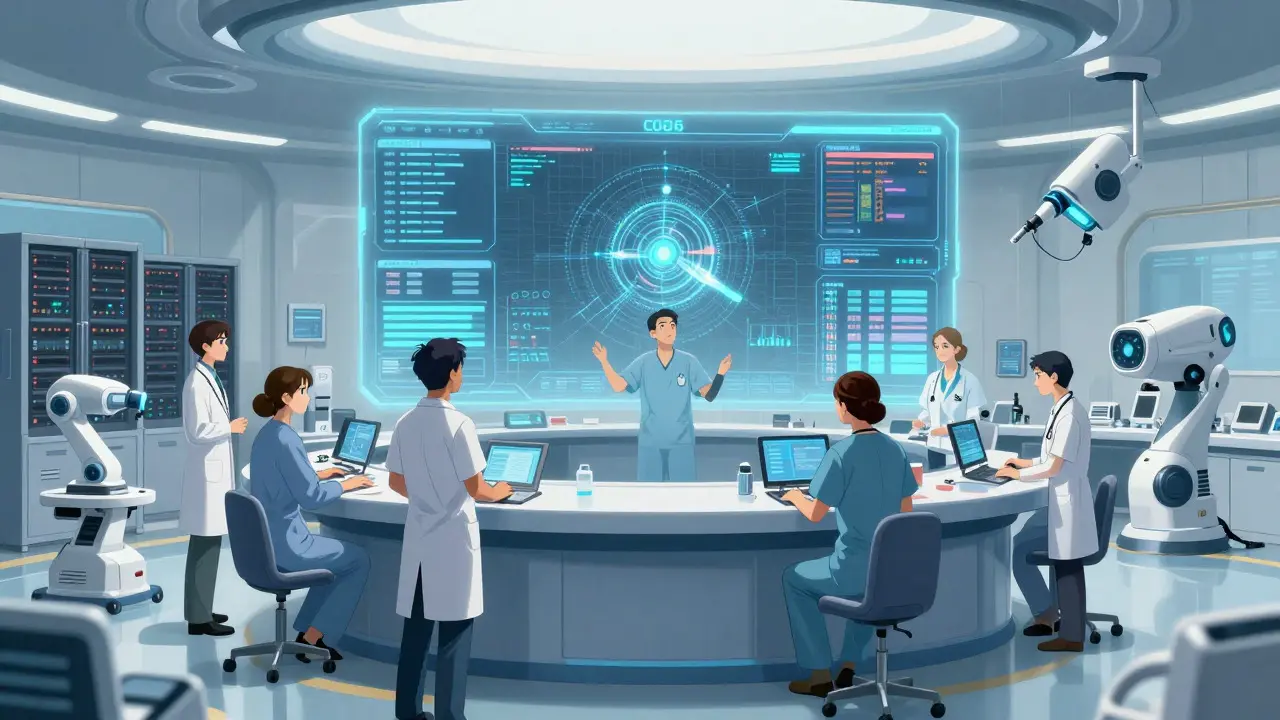
Let’s talk about artificial intelligence. If you’re still thinking of AI as a futuristic concept for later, you’re behind the curve. By early 2025, reports from Forrester highlighted that AI had moved to the "front line" of healthcare operations. In 2026, this is reality. Providers are no longer asking if they should use AI; they are asking how to govern it responsibly.
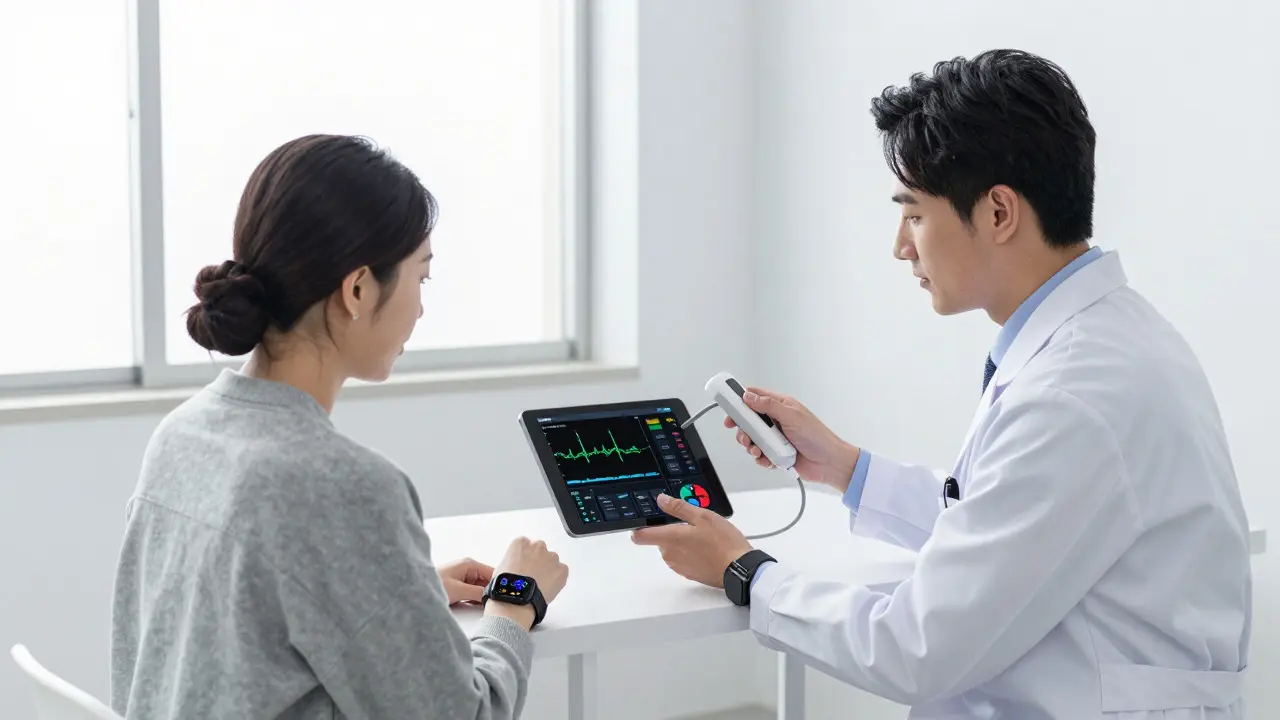
The key change in attitude here is about governance rather than fear. Healthcare organizations have stopped penalizing staff for making mistakes with new tech and started training them on responsible use. This includes establishing strict frameworks for fairness, privacy, and security. Why? Because the stakes are high. With over half of Americans owning wearable devices that generate continuous biometric data, consumers expect this information to drive their care. IPG Health noted earlier that integrating this data is "no longer optional." Physicians now use advanced analytic tools to interpret this consumer-generated health data (CGHD) alongside traditional diagnostics. It’s not replacing the doctor; it’s giving them a superpower to spot trends before they become emergencies.
| Aspect | Pre-2024 Mindset | 2026 Reality |
|---|---|---|
| AI Integration | Cautious adoption, pilot programs only | Strategic necessity, governed front-line use |
| Patient Data | Skepticism toward app/wearable data quality | Integration of CGHD into diagnostic workflows |
| Workforce Role | Physician-centric, rigid schedules | Multidisciplinary teams, flexible "anywhere" care |
| Financial Model | Volume-driven fee-for-service | Value-based care rewarding efficiency |
The Rise of the Informed Patient Partner
Have you ever gone to a doctor and felt like you were starting from scratch every time? That era is ending. The NIH’s outlook for 2025 predicted-and we are seeing in 2026-that physicians will engage with consumers who arrive at appointments with comprehensive health records, not just a list of symptoms. These patients have been tracking their heart rates, sleep patterns, and blood glucose levels via wearables. They are, in effect, customizing their own treatment paradigms before they even walk through the door.
This changes the dynamic entirely. Providers are shifting from being the sole authority on health to becoming partners in a holistic journey. Nature Digital Medicine published research confirming that professionals now recognize the significant potential of patient-generated health data (PGHD). Instead of dismissing a patient’s Fitbit data as noise, doctors are using it to personalize care plans. This requires a new skill set: interpreting digital streams of data and communicating effectively with patients who are more knowledgeable than ever before. It’s a partnership, not a prescription.
Workforce Transformation: Retention Through Certification and Flexibility
The biggest headache for healthcare leaders isn’t just technology; it’s people. Staff shortages have been persistent, and by 2026, the solution lies in rethinking how we value our workforce. Forrester reported that employee retention remains the top challenge for 53% of healthcare employers. But the attitude toward solving this has shifted from desperate hiring to strategic development.
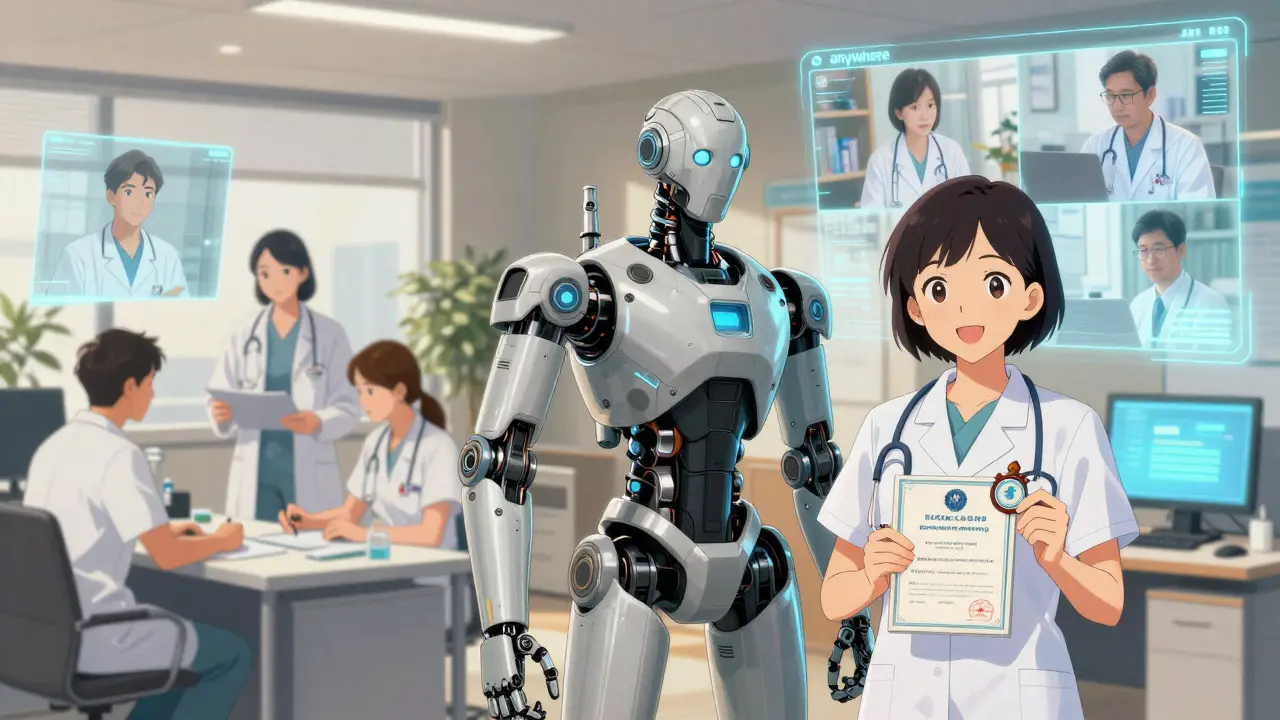
Certification is now seen as a critical lever for both quality and retention. Data from the National Healthcareer Association (NHA) shows that 70% of employers require certifications for allied health roles like medical assistants and pharmacy technicians. More importantly, 71% of employers increase pay when employees earn these credentials. This isn’t just bureaucracy; it’s recognition. Providers realize that formal qualifications ensure safety and competence, which directly impacts patient outcomes. When you invest in your team’s growth, they stay. It’s that simple.
Furthermore, the physical workspace is losing its grip. Clinicians are increasingly working in multidisciplinary teams that offer "anywhere, anytime" models of care. Virtual care solutions mean physicians aren’t tied to a specific exam room all day. This flexibility addresses burnout, a major driver of attrition. The attitude has evolved from "presence equals productivity" to "outcomes equal productivity," allowing for better work-life balance and sustained engagement.
Building Resilient Ecosystems Over Siloed Practices
We are witnessing a massive consolidation and diversification of healthcare delivery. PwC predicted a $1 trillion shift away from traditional payers and providers toward new ecosystems involving tech hyperscalers and AI disruptors. In 2026, this means providers are building "digital front doors" that centralize care solutions, account management, and payments. Think of it like an Amazon-like experience for health: seamless, integrated, and anticipatory.
Providers are also creating health ecosystems tailored to patients with complex social, medical, and behavioral needs. This holistic approach acknowledges that health doesn’t happen in a vacuum. McKinsey’s Future of Wellness survey identified distinct consumer segments, such as "wellness shirkers" who are price-sensitive and less motivated. Providers are adapting by breaking down services into smaller, incentivized steps to improve accountability. It’s a nuanced, data-driven approach to engagement that replaces one-size-fits-all advice.
Navigating the Challenges Ahead
Of course, this evolution isn’t without friction. Implementing these changes requires cultural shifts that don’t always stick. Forrester analysts warn that culture initiatives often fail to impact actual operations if leaders don’t model the shared purpose. Rituals and consistent reinforcement are needed to bridge the gap between strategy and daily behavior.
There’s also the risk of losing the human touch in a tech-heavy world. IPG Health notes that transparency and authenticity are becoming competitive advantages. Patients can spot fully AI-generated content or robotic interactions from a mile away. Successful providers in 2026 are those who balance technological efficiency with genuine human connection. They use VR headsets for immersive patient education but follow up with empathetic conversations. They use AI to flag risks but rely on human judgment to deliver bad news or celebrate good progress.
As we look further ahead, the convergence of digital health tools, informed consumers, and a certified, flexible workforce defines the new normal. Providers who embrace this shift-viewing technology as an enabler, patients as partners, and staff as assets to be developed-will thrive. Those who cling to outdated models will find themselves left behind in an industry that moves fast and never looks back.
How are healthcare providers using AI in 2026?
In 2026, providers use AI as a strategic tool on the front lines of care. This includes analyzing consumer-generated health data from wearables to personalize treatment plans, automating administrative tasks to reduce burnout, and providing diagnostic support. The focus is on governed, responsible use where AI enhances rather than replaces human decision-making.
Why is certification so important for allied health professionals now?
Certification has become essential due to workforce shortages and the need for standardized quality. Employers require certifications for roles like medical assistants to ensure safety and competence. Additionally, 71% of employers offer pay increases for certified staff, linking credentials directly to career advancement and retention strategies.
What is the "digital front door" in healthcare?
The "digital front door" refers to centralized online platforms that allow patients to manage their entire care journey. This includes scheduling appointments, accessing health records, making payments, and communicating with providers. It aims to create a seamless, user-friendly experience similar to e-commerce platforms.
How has the doctor-patient relationship changed?
The relationship has shifted from a paternalistic model to a collaborative partnership. Patients now arrive with detailed health data from apps and wearables, expecting customized care. Providers act as interpreters and guides, integrating this data into clinical decisions and engaging patients as active participants in their health outcomes.
What are the main challenges providers face in adopting these trends?
Key challenges include managing workforce retention amidst burnout, establishing robust governance frameworks for AI to ensure privacy and fairness, and maintaining human connection amid rapid technological adoption. Cultural resistance to change and the cost of implementing new digital infrastructure are also significant hurdles.
