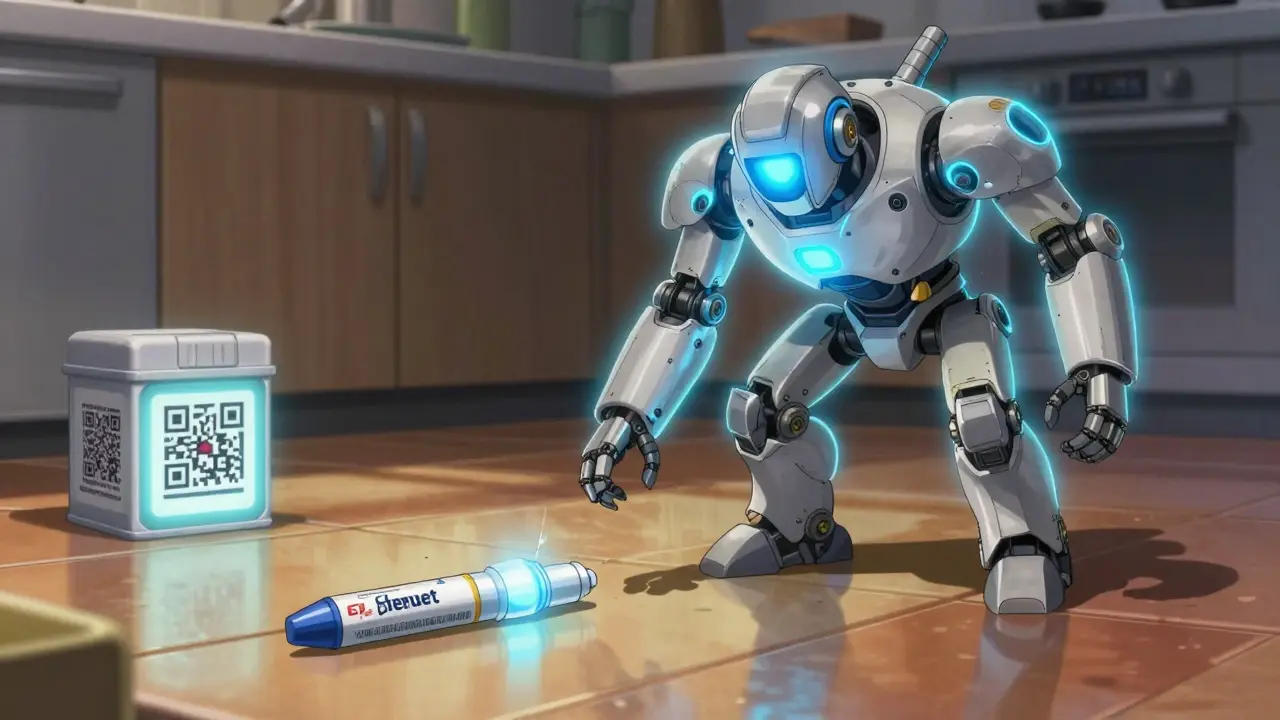
When your EpiPen, inhaler, or medicated patch expires, it’s not just trash. It’s a potential hazard - to kids, pets, sanitation workers, and even the environment. Throwing them in the regular bin might seem easy, but it’s risky. In 2022, the FDA reported that 12% of accidental poisonings in children involved improperly thrown-away medications. That’s not a small number. And it’s avoidable.
Why You Can’t Just Toss Them
EpiPens aren’t just plastic with a needle. They contain a life-saving dose of epinephrine - a powerful drug that can cause serious harm if someone else gets it by accident. The needle itself is sharp, and if it’s not contained, it can puncture trash bags, injure workers, or end up in recycling streams. Inhalers? They’re pressurized. If crushed or exposed to heat, they can explode. Some even contain greenhouse gas propellants that contribute to climate change. Patches, especially ones like fentanyl, still have active drug stuck to the adhesive side. Even a small piece left on the floor can be deadly if a child or pet licks it.How to Dispose of Expired EpiPens
EpiPens are classified as medical sharps - just like used syringes. That means they need special handling. Here’s what to do:- When you get a new EpiPen from your doctor, ask if they take back the old one. Many allergist offices have sharps bins just for this.
- Call your local hospital or pharmacy. Some have take-back programs for auto-injectors. CVS and Walgreens sometimes offer this, but it’s not guaranteed - ask first.
- If you can’t find a drop-off spot, store the expired EpiPen safely at home. Put it in a rigid, puncture-proof container - like a clean laundry detergent bottle. Tape the lid shut. Label it clearly: “SHARPS - DO NOT RECYCLE - BIOHAZARD”.
- Never try to remove the needle, break it open, or flush it. That’s dangerous and illegal in many places.
State rules vary. In California, you must use a certified sharps collection site or mail-back program. In Texas, you can put it in the trash - but only if it’s in a sealed, labeled container. Check your state’s health department website for exact rules.
How to Dispose of Inhalers
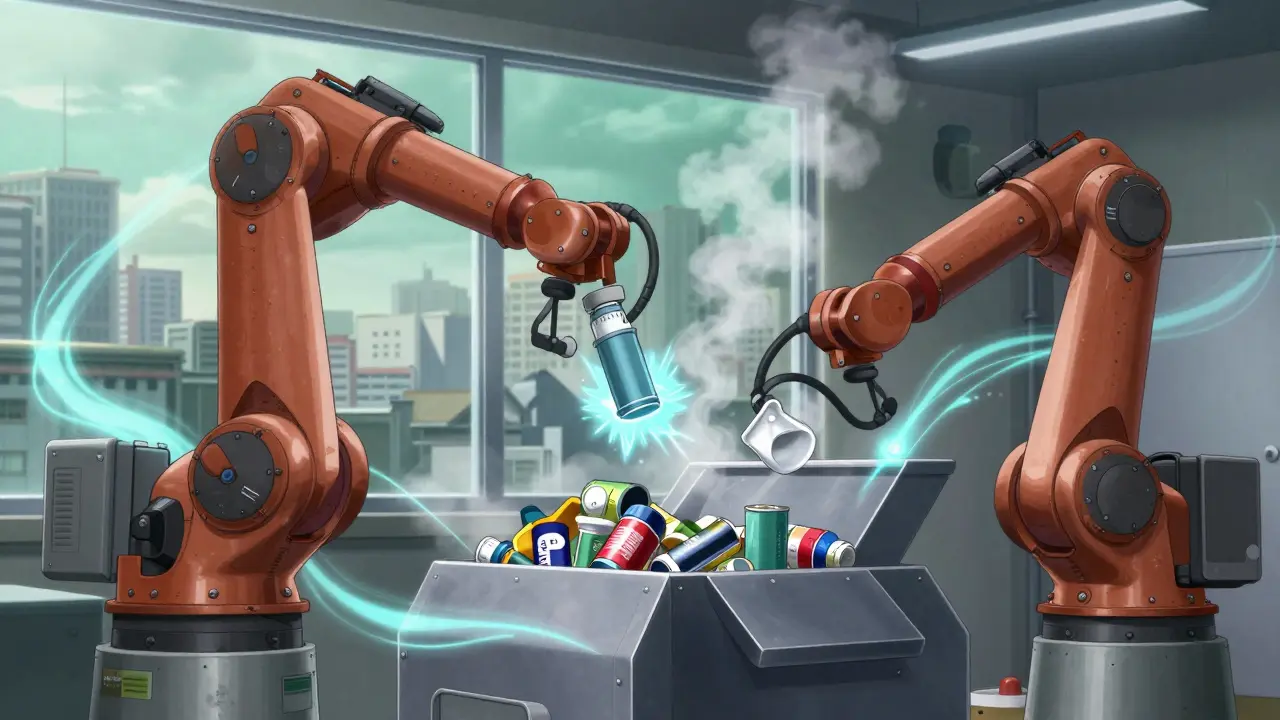
Inhalers are tricky. They’re not sharps, but they’re not regular trash either. Many contain propellants like hydrofluoroalkanes (HFAs), which are potent greenhouse gases. When an inhaler ends up in a landfill or incinerator, those gases leak out.- Check the label. Some inhalers say “Do not puncture or incinerate.” That’s your first clue.
- Call your local waste management service. Cities like New York and Seattle have special aerosol collection sites. You can drop off inhalers there for free.
- Some pharmacies - like Walgreens - accept inhalers at select locations. A 2022 survey found only 47% of Walgreens stores offered this. Call ahead.
- If no drop-off is available, remove the metal canister from the plastic mouthpiece. The plastic part can go in recycling (if your program takes #1 or #2 plastic). The metal canister? Tape it shut, label it “INHALER - DO NOT PUNCTURE,” and put it in the trash. This is a last resort.
Don’t flush inhalers. Don’t burn them. And never leave them in a car where they can get hot - they could burst.
How to Dispose of Medicated Patches
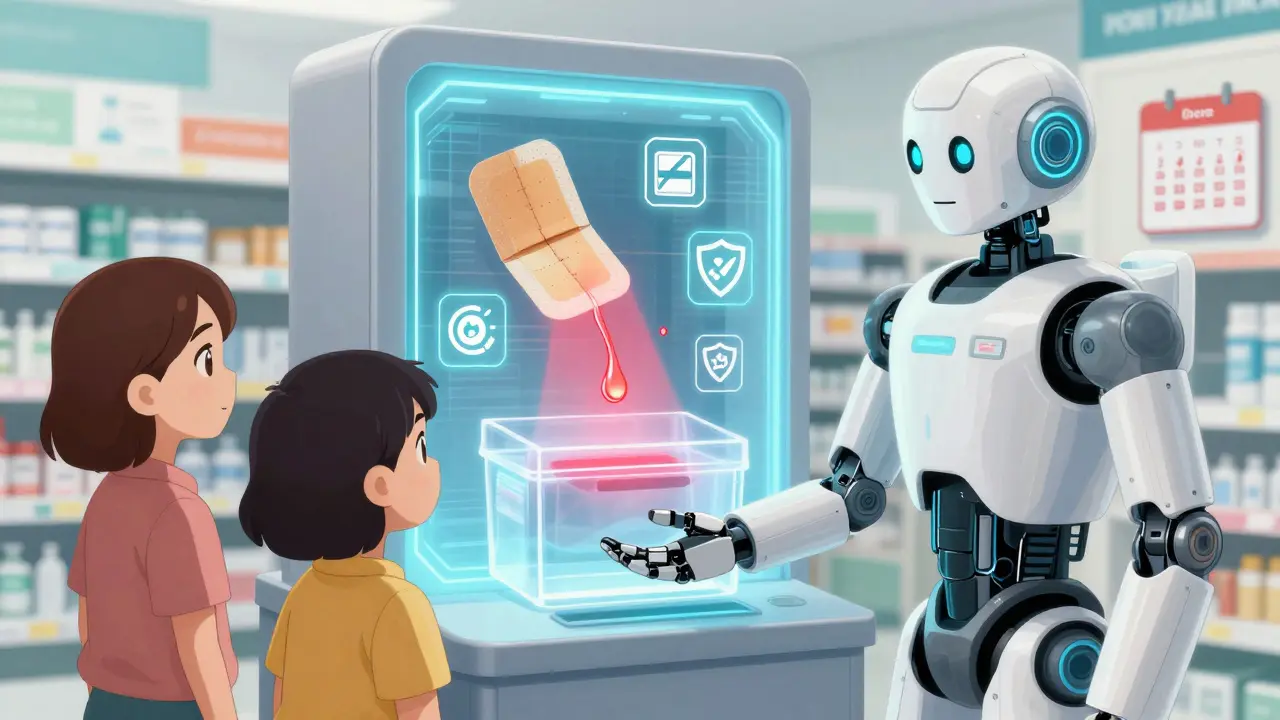
Patches like nicotine, fentanyl, or lidocaine stick to your skin - and they stick to your trash if you’re not careful. The drug residue can last for days.- For high-risk patches (like fentanyl or buprenorphine), the FDA says: fold it in half, sticky side to sticky side, and flush it down the toilet. Yes, flush. It’s one of the few medications on the FDA’s official “flush list” because the risk of accidental exposure is too high.
- For other patches (like nicotine or pain relief), fold the patch in half, sticky sides together. Then put it in a sealed plastic bag with something unappealing - like coffee grounds, cat litter, or used paper towels. Throw it in the trash. This makes it less tempting for kids or pets to dig through.
- Never cut a patch to “use the rest.” The drug is already absorbed into the adhesive. Cutting it just spreads the risk.
Some pharmacies sell DisposeRx® packets - a powder you mix with water to turn pills into gel. But these don’t work well for patches. Stick to folding and flushing (for high-risk ones) or sealing in trash.
Use Drug Take-Back Days
The DEA runs two National Prescription Drug Take Back Days every year - usually in April and October. In October 2022, they collected nearly 1 million pounds of unused meds across 5,800 locations. These events are free, anonymous, and accept EpiPens, inhalers, and patches.You can find your nearest drop-off site using the DEA’s online locator. Law enforcement agencies, hospitals, and some pharmacies host these events. Even if you miss the official day, many sites keep permanent collection boxes. Ask your local police station or pharmacy if they have one.
What to Do If You Can’t Find a Drop-Off
If you live in a rural area or your town has no take-back program, you still have options:- Keep expired devices in a locked box or cabinet until you can safely dispose of them.
- Buy a sharps container from your pharmacy - they cost $5-$15 and are designed for EpiPens and syringes.
- Use mail-back programs. Some companies ship prepaid boxes to your door. You fill it with sharps, seal it, and drop it in the mail. Check safeneedledisposal.org for options.
One Reddit user shared: “My CVS said they only take pills, not auto-injectors.” That’s common. Don’t get discouraged. Try your allergist, hospital, or local health department. They’re more likely to help.
Prevent Future Problems
The best way to avoid disposal headaches? Stay ahead of expiration dates.- Check your EpiPen, inhaler, and patches every month. Write the expiration date on your calendar.
- Set a phone reminder to refill prescriptions 2-3 weeks before they expire.
- Ask your doctor if you can get a prescription with a longer expiration window - some are valid for 18 months now.
Manufacturers are starting to include QR codes on packaging that link to disposal instructions. Mylan (the maker of EpiPens) began this in late 2023. It’s a small step - but it helps.
Environmental Impact Matters
Improper disposal doesn’t just hurt people - it hurts the planet. The US Geological Survey found pharmaceuticals in 80% of tested rivers and streams. These chemicals mess with fish reproduction, alter animal behavior, and even show up in drinking water. The EPA says pharmaceutical waste is one of the fastest-growing contaminants in waterways.By disposing of these items correctly, you’re not just protecting your family. You’re helping protect the environment too.
Can I flush an expired EpiPen?
No. Never flush an EpiPen. It contains a needle and a potent drug. Flushing it can clog pipes, harm plumbing systems, and contaminate water supplies. Always treat it as a medical sharp and use a take-back program or secure sharps container.
What if my pharmacy won’t take my expired inhaler?
Many pharmacies only accept pills, not inhalers. Call your local waste management agency or visit your city’s environmental services website. Some cities have special aerosol collection sites. If all else fails, remove the metal canister, tape it shut, label it “INHALER - DO NOT PUNCTURE,” and put it in the trash. Never put it in recycling.
Are there fines for improper disposal?
There are no fines for individuals who accidentally throw away expired meds. But businesses - pharmacies, hospitals, nursing homes - face heavy penalties for improper disposal. The rules are strict for them. For you, the focus is on safety and prevention, not punishment.
Can I recycle the plastic part of an inhaler?
Yes - but only after removing the metal canister. Rinse the plastic mouthpiece, check the recycling symbol (usually #1 or #2), and put it in your curbside bin if your local program accepts it. The metal canister is not recyclable and should be sealed and thrown in the trash.
Why does the FDA say to flush some patches?
For high-risk patches like fentanyl, the risk of accidental overdose - especially in children or pets - is so high that flushing is the safest option. The drug stays active on the patch for days. Even a small piece left on the floor can be deadly. Flushing ensures it’s immediately removed from the home.
How often should I check my EpiPen’s expiration date?
Check it every month. Set a recurring reminder on your phone. EpiPens can lose effectiveness before the printed date, especially if stored in hot or cold places. If you’re unsure, get a new one. It’s better to be safe than sorry.
If you’re unsure where to go, start with your doctor’s office. They’ve seen this before. They know the local options. And they’ll help you - no judgment.

Natali Shevchenko
It's wild how we treat life-saving meds like they're just old batteries or expired yogurt. I used to toss my expired EpiPen in the trash without a second thought-until my neighbor's toddler got into the bin and nearly swallowed a patch. That's when it hit me: we're not just being lazy; we're putting entire communities at risk. The FDA stats aren't just numbers-they're kids who shouldn't have to die because someone didn't want to drive 10 minutes to a drop-off site. And honestly? The environmental angle hits harder than you'd think. I read a paper last year about microplastics in fish livers containing traces of antidepressants. We think of pollution as factories and plastic bottles, but it's also the patch stuck to the bottom of a trash bag that gets washed into the ocean. We need systemic change, not just individual responsibility. Pharmacies should be required to take back everything, not just pills. And yeah, I'm still mad that my local CVS won't take auto-injectors. It's 2024. This shouldn't be a puzzle.
Johny Prayogi
YESSSS 🙌 I’ve been saying this for YEARS! Just last week I took my 3 expired inhalers to the Walgreens down the street and they were like ‘we don’t take those’-I almost cried. But then I found a DEP drop-off at the fire station 3 miles away and they took EVERYTHING. Like, they even had a bin for patches. I brought my whole medicine cabinet. 🥹✨ If you’re reading this and you’ve got old meds? GO FIND A DROP-OFF. It’s easier than you think. #NoMoreTrashMedicine
Nicole James
Wait-so you’re telling me… the government… is telling us to FLUSH fentanyl patches?!!? That’s not safety-that’s a Trojan horse. Who decided that? Who BENEFITS from flushing pharmaceuticals into water systems? The same corporations that make the patches? The same ones who lobbied against take-back mandates? The EPA says 80% of rivers are contaminated? And now we’re being told to ADD MORE? This isn’t public health-it’s a controlled demolition of environmental accountability. They want you to think you’re doing the right thing… but you’re just the pawn in a multi-billion-dollar cover-up. Don’t flush. Don’t trust. Find a hidden drop-off. Or better yet-stop using them altogether. There’s always a cost. And someone’s always profiting.
Nishan Basnet
As someone from India where waste disposal infrastructure is still catching up, I’ve seen firsthand how improper disposal of meds can turn into a silent crisis. In rural areas, families often keep expired patches in drawers because they don’t know what else to do. I once helped a village health worker set up a simple ‘meds box’-a locked tin with clear labels, collected once a month by the local clinic. It cost nothing. It saved lives. You don’t need fancy programs to start making a difference. Start small: talk to your pharmacist, ask your community center, write to your local rep. Change doesn’t always come from the top. Sometimes, it comes from one person saying, ‘I won’t let this be ignored.’
Solomon Kindie
i mean like why even bother with all this if most pharmacies just dont take it anyway i got 2 epipens and 3 inhalers sitting in my garage and i just kinda forgot about them like its not like anyone is gonna check i guess
Jackie Tucker
Oh wow. A 12% statistic. How quaint. Let me guess-this was pulled from a press release drafted by a PR firm that also writes the instructions for the EpiPen box. The real issue? The system is designed to make you feel guilty, not empowered. You’re told to ‘do the right thing’ while the infrastructure to do so is either nonexistent, underfunded, or actively hostile. And yet, here we are-consuming the narrative that *we’re* the problem. Meanwhile, the manufacturers get away with designing products that are impossible to dispose of safely. Bravo. You’ve been perfectly manipulated.
Thomas Jensen
I’ve been through this. My daughter’s allergic to peanuts. I’ve got 4 expired EpiPens. I called 17 places. Only one pharmacy said ‘maybe, we’ll check.’ I called the health department. They said ‘call the hospital.’ The hospital said ‘call the county.’ The county said ‘we don’t handle sharps.’ So I kept them in a locked Tupperware under my sink. I sleep with one hand on the doorknob. My husband thinks I’m crazy. He’s right. But I’d rather be crazy than bury a child because I was too tired to drive 40 minutes to a drop-off that closes at 5. And don’t get me started on the inhalers. I found out last year that the propellant in my daughter’s inhaler is worse for the planet than a gas-guzzler. I cry sometimes. Not because I’m weak. Because I’m tired.
matthew runcie
Good info. Just make sure to lock it up until you can drop it off. I keep mine in a locked drawer. Simple. Safe. No drama. And if you're unsure? Call your doctor. They've seen this a hundred times. No judgment. Just help.
shannon kozee
For patches: fold sticky side to sticky side. Trash. For fentanyl: flush. That’s it. Don’t overthink it. Your local pharmacy can’t help? Call your poison control center-they’ll tell you exactly what to do. No need for drama.
trudale hampton
My mom used to keep all her meds in a shoebox. Now she’s got a labeled sharps container from the pharmacy. Took her 3 tries to get one. But now she’s proud of it. ‘It’s like a little medicine vault,’ she says. I think that’s the spirit. Small steps. No guilt. Just better habits. And hey-if you’re worried about the environment? You’re already doing better than most.