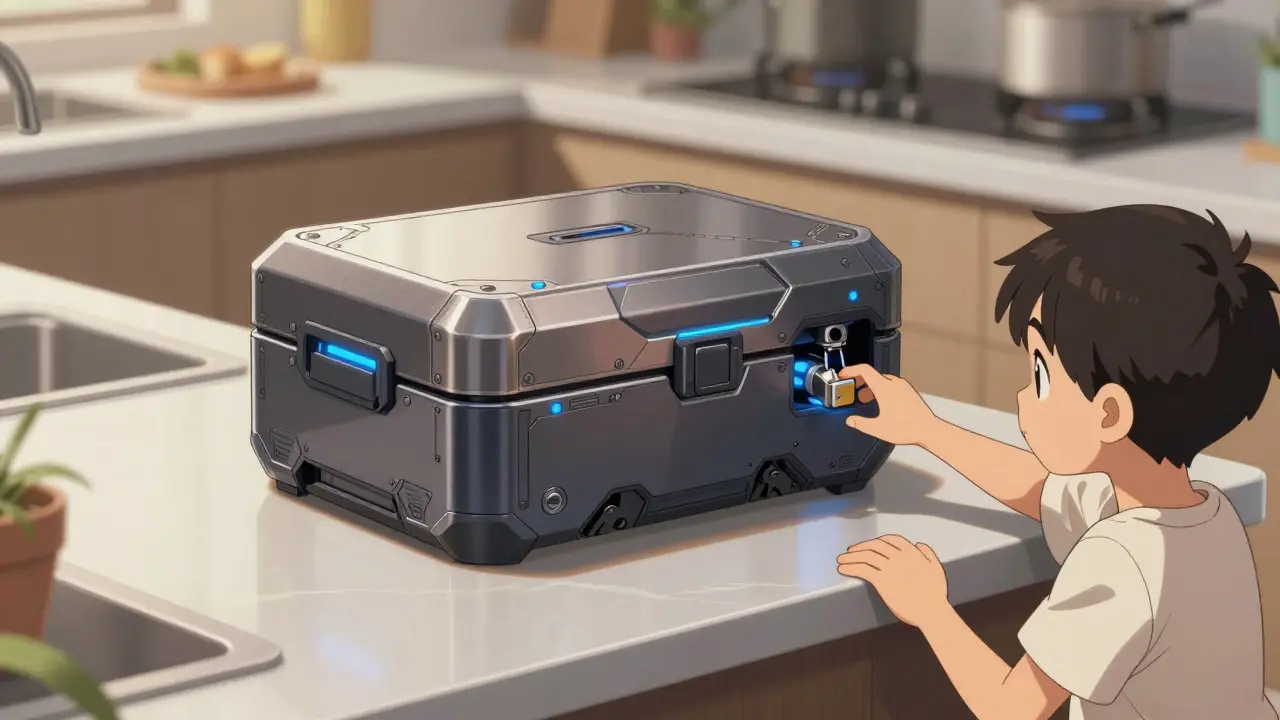
Most of us keep our medicine in the bathroom cabinet or on a kitchen counter. It’s convenient, right? But if you have opioids, benzodiazepines, or stimulants in your house, that convenience comes with a serious risk. Children are curious, and they can open standard child-resistant caps faster than you might think. In fact, studies show half of four- and five-year-olds can pop those safety lids off in under a minute. A medication lockbox is a secure container designed to prevent unauthorized access to prescription drugs isn’t just a suggestion anymore; it’s a critical line of defense against accidental poisoning and misuse.
You don’t need to be a security expert to set this up. You just need to know which pills require extra protection and how to store them properly. This guide walks you through picking the right box, placing it correctly, and maintaining a safe routine for your household.
Which Medications Need Locked Storage?
Not every pill needs a vault, but some definitely do. The term "high-risk" usually refers to drugs that can cause overdose, addiction, or severe harm if taken by someone other than the prescribed patient. These fall into three main categories:
- Opioids: Painkillers like hydrocodone (Vicodin), oxycodone (OxyContin), and morphine. Even a few pills can be fatal for a child or someone without tolerance.
- Benzodiazepines: Anti-anxiety medications such as alprazolam (Xanax) and diazepam (Valium). Mixing these with alcohol or other sedatives is particularly dangerous.
- Stimulants: ADHD medications like Adderall and Ritalin. These are often targeted for diversion because they can be misused for focus or energy.
If your prescription bottle has one of these drug names, it belongs in a lockbox. Don’t guess. If you’re unsure, ask your pharmacist. They can tell you immediately if your specific medication poses a high risk.
Choosing the Right Lockbox Type
One size doesn’t fit all when it comes to security. The best lockbox depends on who lives in your home and what kind of meds you’re storing. Here is a breakdown of the most common options:
| Type | Best For | Pros | Cons |
|---|---|---|---|
| Key Lock | Singles, simple setups | Cheap, reliable, no batteries needed | Losing the key locks you out; keys can be found by kids |
| Combination Lock | Families, shared households | No keys to lose; easy to change code | Can be hard for elderly users with arthritis |
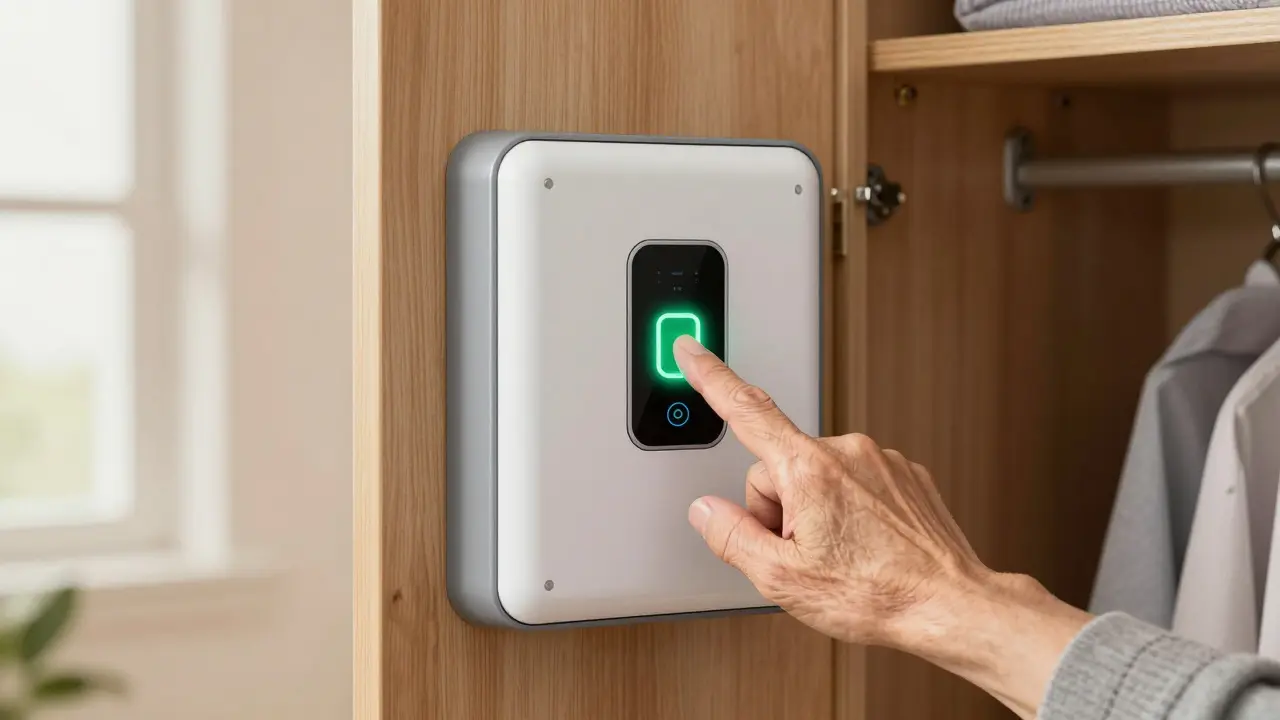
| Biometric (Fingerprint) | Elderly users, tech-savvy homes | Fastest access; highly secure; no codes to forget | More expensive; requires battery maintenance |
| Wall-Mounted Cabinet | Homes with young children | Cannot be moved or carried away; very sturdy | Requires drilling; less portable |
If you have small children, avoid portable boxes that sit on a shelf. A curious kid might carry the whole box away. Wall-mounted units are harder to move. If you have an older adult with shaky hands or memory issues, a biometric scanner removes the frustration of fumbling with tiny keys or forgetting a code.
Where to Place Your Lockbox
Buying the box is only half the battle. Where you put it matters just as much. Many people make the mistake of hiding the box in a drawer or behind other items. That doesn’t work. Kids are surprisingly good at finding hidden things. Research shows that over 70% of children can locate "hidden" medications within 30 minutes.
Follow these placement rules:
- Avoid the Bathroom: Bathrooms are humid. Heat and moisture can ruin many medications, especially insulin and certain antibiotics. Keep meds in a cool, dry place like a bedroom closet or a dedicated office.
- Keep It Out of Sight: Don’t leave the lockbox on a visible counter. Store it inside a closed cupboard or on a high shelf that isn’t easily reachable.
- Secure It Properly: If using a wall-mounted unit, ensure it is screwed firmly into a stud, not just drywall. If using a portable box, consider using a cable tie to anchor it to a heavy piece of furniture if you’re worried about theft or removal.
- Limit Access: Only the people who need the medication should know the combination or hold the key. Don’t write the code on a sticky note next to the box.
Setting Up a Safe Routine
A lockbox is useless if you leave it open while you take your pill. Develop a habit. When you go to take your medication, open the box, take the dose, and close it immediately. Do not leave pills on the counter while you check your phone or answer the door.
For families, establish clear rules. Explain to older children why the box is locked. You don’t need to scare them, but being honest helps. "These medicines are strong and meant only for [Name]. If you touch them, it could make you very sick." Consistency is key. Check the box weekly to ensure no one else has accessed it and that the medications are still intact.
Disposing of Unused Medications
What happens when you finish a prescription but have leftover pills? Or when a medication no longer works for you? Keeping old high-risk meds in your house increases the risk of accidental ingestion or misuse. You need to get rid of them safely.
Flushing is rarely the right answer unless the manufacturer specifically says so (usually for extremely potent opioids like fentanyl patches). Throwing them in the trash is risky too, as kids or pets might dig them out. The best method is a drug take-back program.
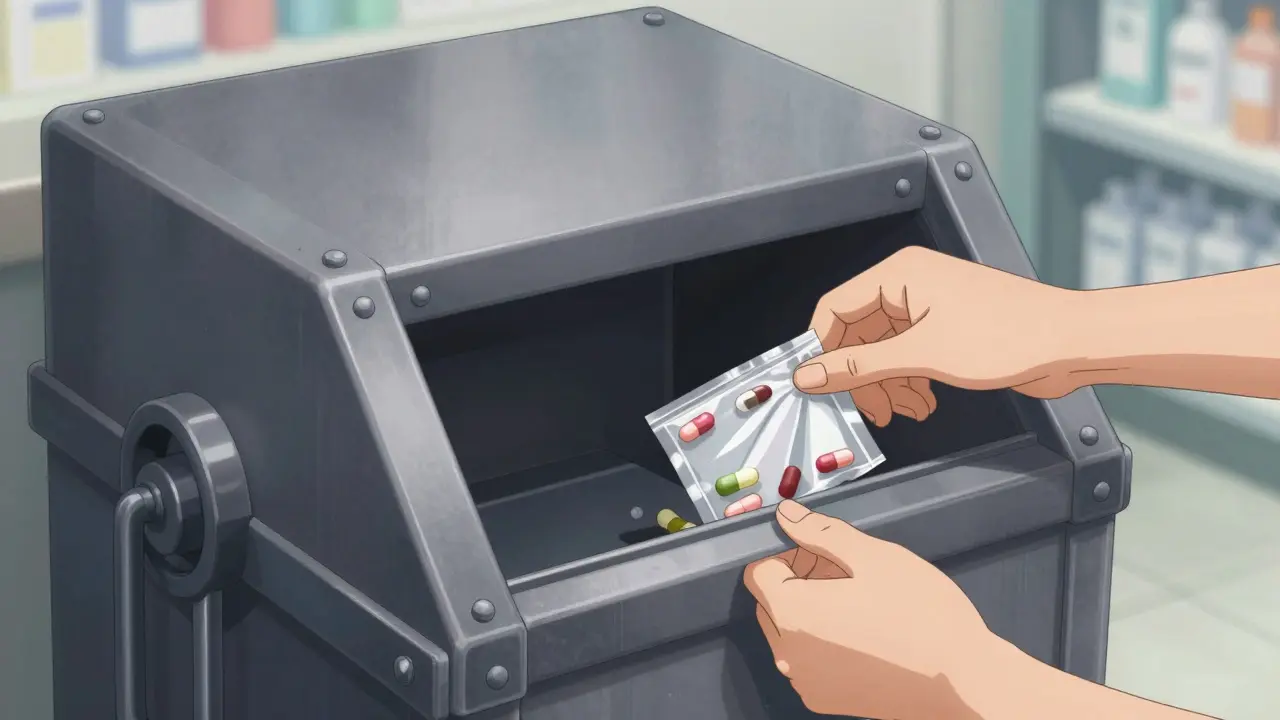
In Australia, you can return unused medications to any pharmacy for free disposal. They have secure bins that shred and incinerate the drugs. If you’re in the US, look for DEA National Prescription Drug Take Back Days or local law enforcement drop-off boxes. If neither is available, mix the pills with an unappealing substance like dirt, cat litter, or used coffee grounds in a sealed plastic bag before throwing them in the trash. Remove personal information from the prescription label first.
Troubleshooting Common Issues
Even the best systems have hiccups. Here’s how to handle the most common problems:
- Forgot the Combination: Most combination locks have a reset procedure. Usually, you need a factory default code or a reset tool. Keep the manual in a safe place, not with the box. If you’re locked out, call the manufacturer’s support line. Don’t break the box open unless it’s an emergency.
- Lost Key: If you use a key lock, buy a second key and give it to a trusted neighbor or family member who lives nearby. Never hide a spare key outside under a mat.
- Medication Expiry: Set a reminder on your phone to check expiration dates every six months. Expired meds aren’t just ineffective; they can sometimes degrade into harmful compounds. Dispose of expired drugs promptly.
- Traveling: If you travel frequently, buy a small, TSA-compliant travel lockbox. Keep your meds in your carry-on luggage, never in checked bags where temperature fluctuations can damage them.
Using a lockbox is a small step that makes a huge difference in home safety. It takes less than ten minutes to set up and provides peace of mind that lasts for years. Protect your family, protect your community, and keep those high-risk medications where they belong-locked up tight.
Do I really need a lockbox for my pain medication?
If you are prescribed opioids like hydrocodone or oxycodone, yes. These drugs are involved in thousands of accidental overdoses each year, particularly among children and teenagers. Child-resistant caps are not foolproof. A lockbox adds a necessary physical barrier that prevents casual access and accidental ingestion.
Can I store insulin in a medication lockbox?
Standard lockboxes are not refrigerated. Insulin generally needs to be kept between 36°F and 46°F (2°C to 8°C) until opened. Once opened, it can stay at room temperature for a certain period (check the label). If you need to store insulin long-term, use a specialized medical cooler with a lock, or keep the lockbox inside a refrigerator if it is securely mounted and cannot be removed by children.
Where can I get a free medication lockbox?
Many pharmacies offer free lockboxes to customers filling opioid prescriptions. In the US, programs like "Locks Save Lives" distribute them widely. In Australia, some community health centers and pharmacies may provide them upon request. Ask your pharmacist when you pick up your prescription. It’s a quick question that could save a life.
Is it legal to keep a lockbox at home?
Yes, it is perfectly legal and highly encouraged. In fact, some states and countries are beginning to mandate locked storage for certain high-risk medications in households with minors. Using a lockbox demonstrates responsible stewardship of controlled substances.
What if my elderly parent struggles with the lock?
Look for a biometric fingerprint lockbox. These models unlock instantly with a finger scan, eliminating the need for dexterity required by keys or the memory required for combinations. They are slightly more expensive but significantly easier for seniors with arthritis or cognitive decline to use independently.
