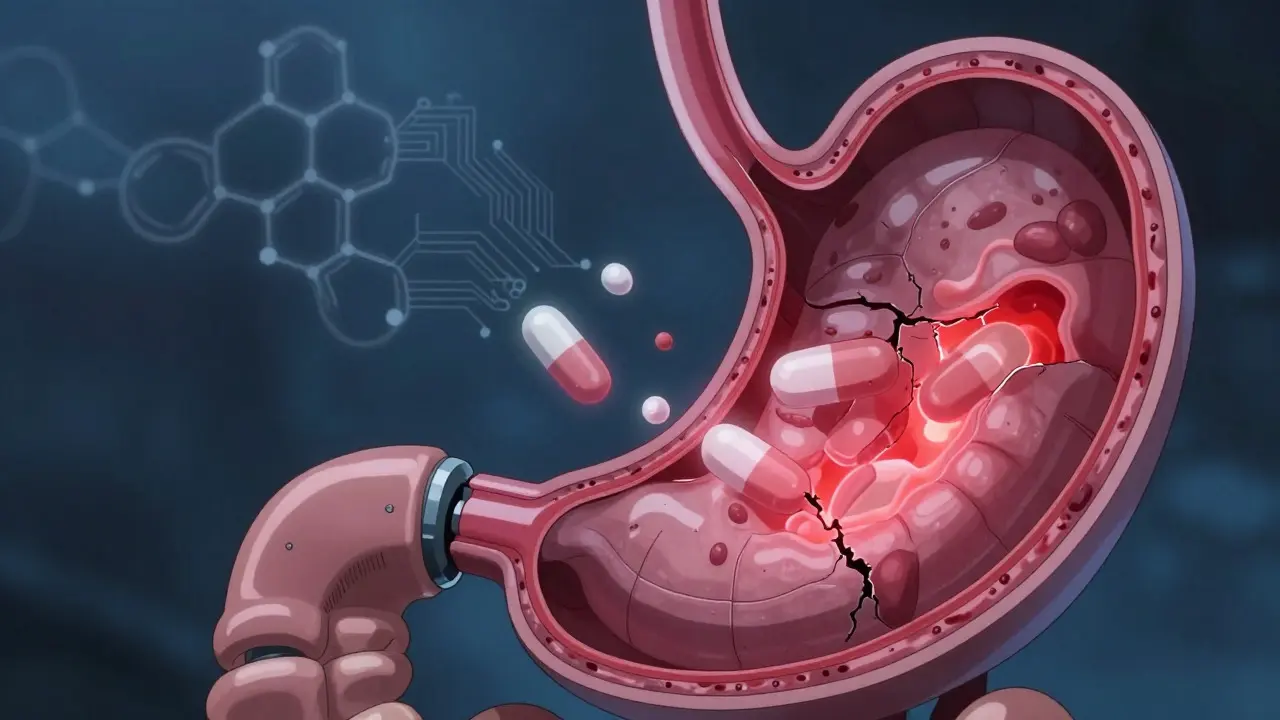
You take a few extra ibuprofen tablets for that stubborn headache or back pain. It feels like a harmless shortcut to relief. But inside your body, those extra pills are stripping away the protective lining of your stomach. This is the quiet danger behind gastrointestinal bleeding from NSAIDs. Many people assume that if they don't feel sick, their gut is fine. The data says otherwise. Up to 70% of long-term users show damage on endoscopy, yet only 10% report symptoms. That gap between what you feel and what is happening internally is where serious complications hide.
The Silent Damage: Why You Might Not Feel It Coming
Non-steroidal anti-inflammatory drugs (NSAIDs) work by blocking enzymes called cyclooxygenase, or COX. These enzymes help produce prostaglandins, which not only cause inflammation but also protect your stomach lining by stimulating mucus production and blood flow. When you overdose or use these drugs chronically, you strip this protection away. The result is mucosal injury that can happen anywhere in the digestive tract, from the esophagus to the colon.
The scary part? Most of the time, it’s silent. A 2021 review in the PubMed Central database highlighted that serious peptic ulcer complications, like bleeding or perforation, often occur without prior warning signs. You might not have heartburn or indigestion. You just might not be absorbing iron properly. This leads to iron deficiency anemia, where your hemoglobin drops below normal levels. In clinical trials, over 50% of patients taking NSAIDs developed anemia without any obvious sign of bleeding. By the time you notice fatigue or shortness of breath, the damage may already be significant.
Who Is at Highest Risk?
Not everyone who takes an extra pill is in immediate danger, but certain factors multiply the risk significantly. If you fall into any of these categories, your tolerance for error is much lower:
- Age: Elderly patients face higher risks due to thinner stomach linings and slower healing. Odds ratios for bleeding increase with age and dose.
- Prior History: If you’ve had a stomach ulcer or GI bleed before, your risk of recurrence is the highest.
- Concomitant Medications: Taking aspirin, blood thinners (anticoagulants), or steroids alongside NSAIDs creates a dangerous synergy. For example, combining NSAIDs with low-dose aspirin increases the annual risk of upper GI events to around 5.6%.
- H. pylori Infection: This common bacterial infection works together with NSAIDs to increase bleeding risk by more than double.
- Dual Antiplatelet Therapy: Patients recovering from a heart attack who take two antiplatelet drugs plus an NSAID face a compounded risk of both bleeding and cardiovascular events.
If you are on multiple medications, especially for heart health, talk to your doctor before adding even OTC painkillers to your routine.
Recognizing the Signs: Overt vs. Occult Bleeding
Gastrointestinal bleeding presents in two main ways. Understanding the difference helps you know when to seek help.
- Overt Bleeding: This is visible. You might vomit blood (hematemesis) or pass black, tarry stools (melena). Melena looks like coffee grounds and smells distinctively foul. This is a medical emergency requiring immediate attention.
- Occult Bleeding: This is hidden. There is no visible blood in the stool. Instead, you experience gradual blood loss that leads to anemia. Symptoms include persistent fatigue, pale skin, dizziness upon standing, and shortness of breath during light activity. Because there is no dramatic visual cue, this type of bleeding is often missed until routine blood tests reveal low hemoglobin.
Don’t wait for the black stool. If you’ve been using NSAIDs regularly and feel unusually tired, get your blood checked.
Immediate Care and Treatment Protocols
If you suspect an NSAID overdose or active GI bleed, speed matters. Here is how medical professionals typically approach care:
Stabilization
In a hospital setting, the first step is stabilizing the patient. This involves intravenous fluids to maintain blood pressure and potentially blood transfusions if hemoglobin levels are critically low. The goal is to prevent shock while preparing for diagnosis.
Diagnostic Endoscopy
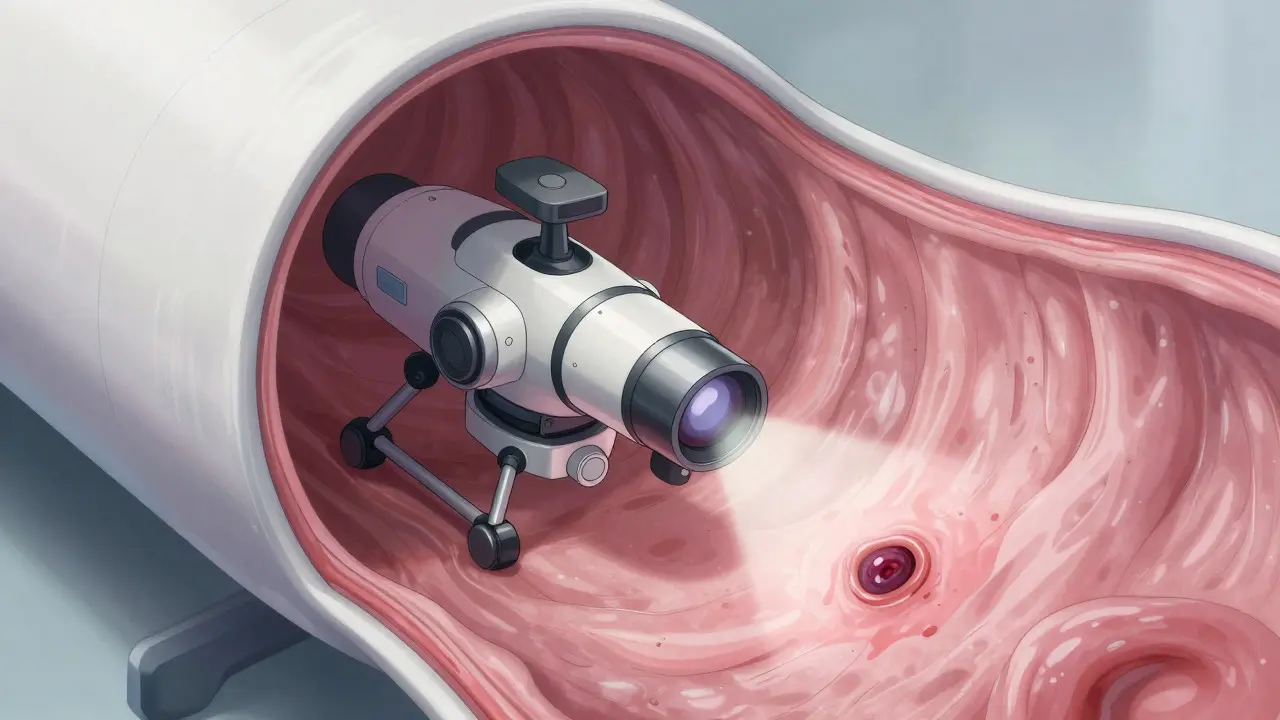
An upper gastrointestinal endoscopy (OGD) is the gold standard for diagnosing the source of bleeding. During this procedure, a camera is passed down the throat to visualize the esophagus, stomach, and duodenum. Doctors can identify ulcers, erosions, or active bleeding sites. They can also treat the issue immediately using clips, cautery, or injection therapy to stop the bleeding.
Pharmacological Management
Once stabilized, treatment focuses on stopping the acid production that irritates the damaged tissue. Proton pump inhibitors (PPIs) like omeprazole or pantoprazole are the first line of defense. They reduce stomach acid, allowing the mucosa to heal. However, research suggests PPIs may not fully prevent small bowel injury, so monitoring is still essential.
Crucially, all NSAIDs must be stopped immediately. Continuing them will keep the wound open and prevent healing.
Prevention Strategies Beyond Just Stopping the Drug
If you need ongoing pain management, you don’t necessarily have to give up NSAIDs forever, but you do need a strategy. Here are evidence-based steps to protect your gut:
- Use the Lowest Effective Dose: Take the minimum amount needed for pain relief. Do not exceed recommended daily limits, even for OTC brands.
- Take With Food: While this doesn’t eliminate risk, taking NSAIDs with a full meal can slightly reduce local irritation compared to taking them on an empty stomach.
- Consider Alternatives: Acetaminophen (paracetamol) does not affect the stomach lining in the same way. For many mild pain issues, it is a safer alternative, provided liver function is normal.
- Gastroprotection: For high-risk patients who must take NSAIDs, doctors often prescribe a PPI concurrently. This combination significantly lowers the risk of serious complications.
- Regular Monitoring: If you are elderly or on long-term therapy, periodic blood tests to check hemoglobin levels are wise. Catching anemia early prevents severe depletion.

Common Myths About NSAID Safety
Misinformation about painkillers leads to dangerous habits. Let’s clear up a few persistent myths:
- "Enteric-coated pills are safer." Not really. Enteric coatings dissolve in the intestine, bypassing the stomach, but they can still cause damage further down the tract, including in the small bowel and colon. They do not eliminate bleeding risk.
- "If I don’t have heartburn, I’m fine." As mentioned, most serious ulcers form silently. Lack of dyspepsia does not mean lack of damage.
- "OTC means safe for unlimited use." "Over-the-counter" refers to purchase accessibility, not safety for chronic, unsupervised use. Long-term self-medication without medical oversight is a leading cause of GI toxicity.
When to See a Doctor
You should seek medical advice if you experience any of the following after NSAID use:
- Black, tarry, or bloody stools.
- Vomiting blood or material that looks like coffee grounds.
- Sudden, severe abdominal pain.
- Persistent fatigue, dizziness, or palpitations.
- Unexplained weight loss or loss of appetite.
Even if you don’t have these acute symptoms, if you’ve been taking NSAIDs for more than a few weeks, mention it to your GP. They can assess your individual risk profile and decide if you need a screening endoscopy or blood test.
Can you overdose on OTC NSAIDs like ibuprofen?
Yes. While rare in healthy young adults, taking significantly more than the recommended daily dose can lead to kidney stress, gastric erosion, and increased bleeding risk. Chronic overuse is actually more common and dangerous than acute massive overdose because it causes cumulative damage to the gut lining.
Does taking NSAIDs with food prevent stomach ulcers?
It helps mitigate some local irritation but does not prevent ulcers entirely. The primary mechanism of injury is systemic inhibition of protective prostaglandins, which happens regardless of whether food is present. Food is a good habit, but it is not a shield against all NSAID-induced damage.
What is the safest painkiller for people with a history of ulcers?
Acetaminophen (paracetamol) is generally considered the safest option for simple pain relief as it has minimal effect on the gastrointestinal mucosa. If an anti-inflammatory is strictly necessary, a COX-2 selective inhibitor combined with a proton pump inhibitor may be prescribed by a specialist, though this requires careful medical supervision.
How long does it take for stomach lining to heal after stopping NSAIDs?
Mild erosions can heal within days to weeks once the drug is stopped. Deeper ulcers may take several weeks to months. Healing is faster if the patient uses acid-suppressing medication (like a PPI) and avoids other irritants such as alcohol and smoking. Regular follow-up may be needed to confirm complete resolution.
Are enteric-coated NSAIDs better for the stomach?
They are not inherently safer. Enteric coatings release the drug in the intestine rather than the stomach. While this may reduce direct gastric irritation, it can shift the site of injury to the small bowel or colon. Total GI bleeding risk remains similar to non-enteric coated versions, especially with long-term use.
