Esketamine Side Effects Risk Calculator
0%
Risk of dissociation
Safe
Blood pressure status
When traditional antidepressants don’t work, people with treatment-resistant depression often face a long, exhausting road. For many, esketamine nasal spray (brand name Spravato) has become a turning point - not because it’s easy, but because it works when nothing else does. But it’s not a simple pill you pick up at the pharmacy. Esketamine requires strict monitoring, and two major side effects - dissociation and blood pressure spikes - are part of the process. Understanding these risks isn’t scary if you know what to expect.
How Esketamine Works Differently
Most antidepressants target serotonin, norepinephrine, or dopamine. Esketamine doesn’t. It blocks NMDA receptors in the brain, which are involved in how glutamate, a key brain chemical, communicates between nerve cells. This is a completely different pathway. By doing this, esketamine can trigger rapid changes in brain connectivity, sometimes lifting depression within hours or days. That’s why it’s used for people who haven’t responded to at least two other antidepressants. It’s not a first-line treatment - it’s a last-resort option with real power.Dissociation: Feeling Unattached from Reality
Dissociation is the most common side effect of esketamine. In clinical trials, over half of patients (56%) reported feeling detached from their body or surroundings, as if they were in a dream. Some described it as floating, blurred vision, or feeling like time slowed down. These feelings aren’t hallucinations in the psychotic sense - they’re more like being mentally disconnected from your environment. The intensity depends on the dose. At 84 mg, about 61% of patients experience dissociation. At 56 mg, it’s around 54%. Symptoms usually start within 20 minutes, peak at 40 minutes, and fade by 1.5 to 2 hours. In rare cases (about 6%), the dissociation is severe enough to meet clinical criteria for a dissociative state. But here’s what most patients find: it gets better with time. Many report that after the third or fourth treatment, the feeling is much milder - sometimes just a slight dizziness or foggy head. Clinics use a tool called the Clinician-Administered Dissociative States Scale (CADSS) to measure this. Staff check in with you at 40 minutes and again before you leave. You’re never left alone during this time. The environment is kept calm - dim lights, no loud noises, minimal distractions. If you feel overwhelmed, staff can offer a blanket, water, or gentle reassurance. Benzodiazepines are kept on hand as a backup, but they’re rarely needed.Blood Pressure Spikes: A Temporary but Real Risk
Esketamine causes your blood pressure to rise. Not a little - a noticeable jump. In trials, 33% of patients saw their systolic blood pressure climb above 140 mmHg. For some, it went as high as 170 or even 180. Diastolic pressure often rose by 10 to 16 points. These spikes start within 5 minutes of dosing, peak around 40 minutes, and almost always return to normal within 90 to 120 minutes. This isn’t dangerous for most healthy people. But if you already have high blood pressure, heart disease, or a history of stroke or aneurysm, this can be risky. That’s why clinics screen you before every session. If your blood pressure is above 160/100 before treatment, you won’t get the spray that day. You’ll be rescheduled, and your doctor may adjust your blood pressure meds first. Monitoring is strict. Your blood pressure is checked before the treatment, then every 5 to 10 minutes for the first 30 to 40 minutes, then every 15 to 30 minutes after that. Most clinics use digital monitors connected to a central system that alerts staff if numbers go too high. You’ll be asked to sit quietly, avoid talking or moving suddenly, and breathe slowly. Many patients say the monitoring itself helps them feel safe - knowing someone is watching keeps anxiety low.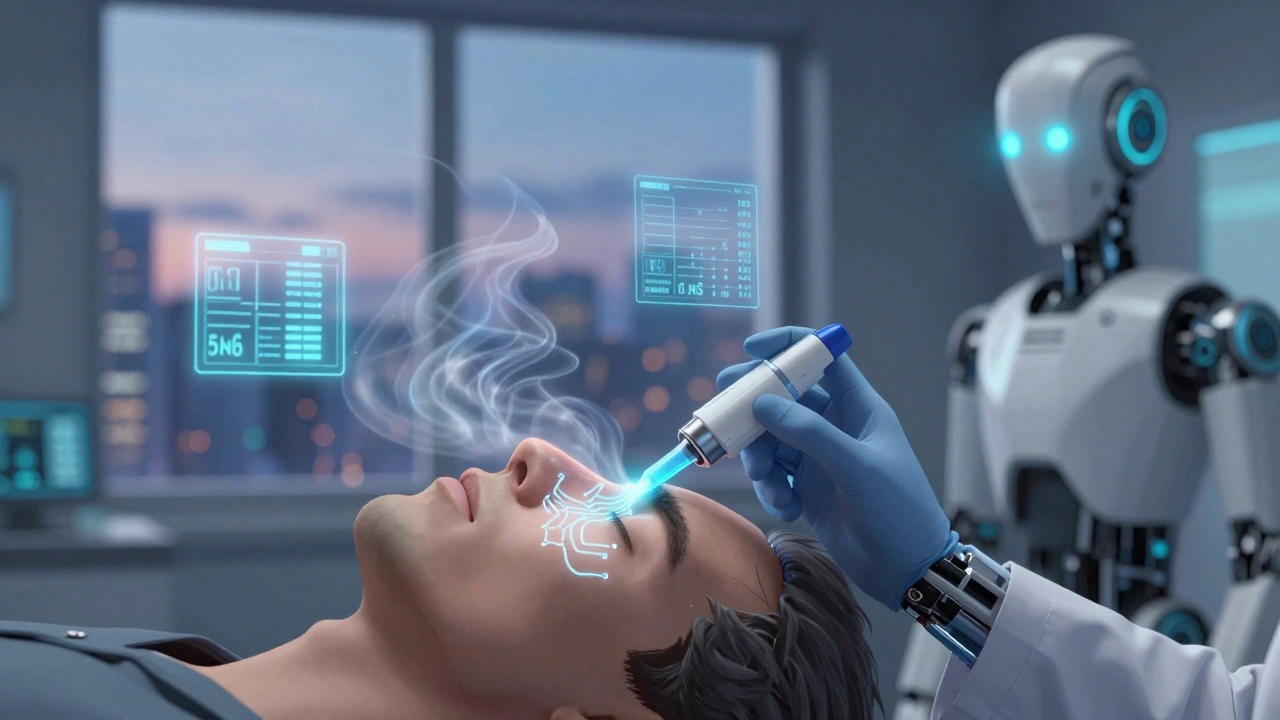
The Monitoring Protocol: Why It’s So Strict
Esketamine is only available through a government-mandated program called REMS (Risk Evaluation and Mitigation Strategy). This means you can’t get it at home. You must go to a certified clinic, sit in a monitored room, and stay for at least two hours after each dose. This isn’t optional. It’s the law. The process looks like this:- Arrive 15 minutes early for a check-in and vital signs check.
- Sign a consent form confirming you understand the risks.
- Administer the spray yourself under staff supervision - two sprays, one in each nostril.
- Wait in a quiet room with staff nearby for 2 hours.
- Get your blood pressure and dissociation assessed at key intervals.
- Only leave once your numbers are stable and you’re fully alert.
What Patients Really Say
Online forums like Reddit’s r/Spravato and Healthgrades have thousands of posts from people using esketamine. The tone isn’t all positive, but it’s honest. One user wrote: “My first session felt like I was watching myself from the ceiling. Terrifying. But by the fourth time, I just felt a little floaty. Worth it.” Another said: “My BP hit 172. They paused, waited 20 minutes, and it came down. I was scared, but the staff knew exactly what to do.” The most common complaint isn’t the side effects - it’s the time commitment. Taking off two hours every week or two isn’t easy if you work, have kids, or live far away. Insurance delays add to the stress. But 91% of people who rate Spravato positively say the clinic staff made all the difference. “They didn’t rush me. They explained everything. That’s why I kept going,” one reviewer said.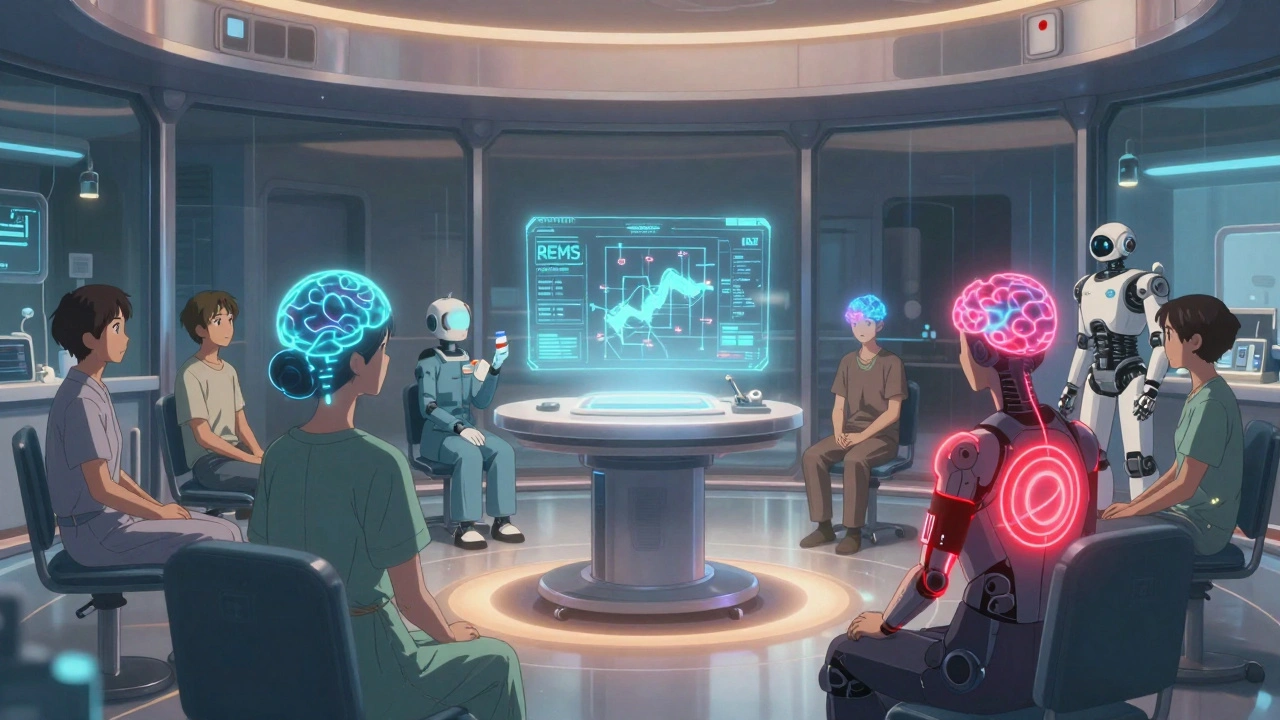
Is It Worth It?
For people who’ve tried five, six, or more antidepressants with no relief, esketamine offers something rare: hope. In trials, about 60% of patients saw a meaningful drop in depression scores within 28 days. That’s faster than any other treatment for treatment-resistant depression. And the effects can last weeks after the last dose - especially when combined with talk therapy and oral antidepressants. The side effects? They’re real, but they’re temporary. Dissociation fades. Blood pressure normalizes. The monitoring isn’t a punishment - it’s protection. Every clinic that follows the protocol has a safety record nearly as clean as any standard psychiatric treatment. The biggest barrier isn’t the medicine. It’s access. If you live in a small town, finding a certified center might be hard. But the number of clinics is growing fast. And in 2023, the FDA approved a trial allowing some patients to reduce their monitoring time from two hours to one - if they’re stable after the first session. That could change everything for rural patients.What Comes Next
Researchers are already working on the next generation of rapid-acting antidepressants - pills or IV drugs that work like esketamine but without the dissociation. Companies like Sage Therapeutics and Allergan are testing alternatives. But so far, nothing has matched esketamine’s effectiveness in the hardest-to-treat cases. Long-term data from the RECOVER study shows no worsening of blood pressure or dissociation with repeated use. That’s important. It means this isn’t a one-time fix with growing risks. It’s a treatment you can use safely over months. The future of esketamine isn’t about eliminating side effects - it’s about making monitoring smarter. Digital tools are being tested to let patients track their own dissociation at home using apps. Wearables could monitor blood pressure remotely. But for now, the human presence in the room still matters most.Final Thoughts
Esketamine nasal spray isn’t a miracle. It’s a tool - powerful, precise, and demanding. It asks you to sit with discomfort so you can move past depression. The dissociation, the blood pressure spikes, the two-hour waits - they’re not bugs. They’re features of a drug that works differently than anything else. If you’re considering it, go in with eyes open. Talk to your doctor. Ask about the clinic’s protocol. Find out how they handle dissociation. Ask if they’ve ever had to stop a session because of high blood pressure. Most importantly, ask yourself: have I tried everything else? If the answer is yes, then esketamine might not be the easy path - but it could be the one that brings you back.Can I take esketamine at home?
No. Esketamine nasal spray (Spravato) can only be administered in certified healthcare settings under direct supervision. This is required by the FDA’s REMS program due to the risks of dissociation and sudden blood pressure spikes. You must stay at the clinic for at least two hours after each dose.
How long do dissociation and high blood pressure last after a dose?
Both effects typically peak around 40 minutes after administration and resolve within 1.5 to 2 hours. Most patients feel back to normal by the end of the 2-hour monitoring period. In rare cases, mild dizziness or fatigue may linger for a few more hours, but severe symptoms almost always fade within this window.
Is esketamine safe if I have high blood pressure?
If your blood pressure is uncontrolled - meaning systolic above 160 mmHg or diastolic above 100 mmHg - you are not eligible for esketamine. Even if you’re on medication, your levels must be stable before each treatment. Clinics check your blood pressure right before every session. If it’s too high, your dose will be postponed until your numbers improve.
Do the side effects get worse with more treatments?
No. In fact, most patients report that dissociation becomes milder over time. By the third or fourth session, many describe the experience as much less intense - sometimes just a slight fog or dizziness. Long-term studies show no increase in blood pressure or worsening of dissociation with repeated use over months.
Can I drive after an esketamine treatment?
No. You must not drive or operate heavy machinery on the day of treatment. The dissociation and potential drowsiness can impair your judgment and coordination. You must arrange for someone to drive you home after each session. Most clinics require this as part of their safety protocol.
How often do I need to get esketamine treatments?
Typically, you start with two doses per week for the first four weeks, then one dose per week for weeks five through eight. After that, most patients move to once every two weeks or once a month, depending on how well they respond. Your doctor will adjust the schedule based on your progress and side effects.
Is esketamine covered by insurance?
Most major insurance plans in the U.S. cover esketamine for treatment-resistant depression, but prior authorization is almost always required. The process can take days or weeks. Some clinics have dedicated staff to help with insurance paperwork. If denied, there are patient assistance programs from the manufacturer that may reduce out-of-pocket costs.
What happens if I have a severe reaction?
Certified clinics are required to have emergency equipment on-site, including oxygen, blood pressure meds, and benzodiazepines. If you experience severe dissociation or a dangerous blood pressure spike, staff will intervene immediately. This is rare - fewer than 1 in 100 treatments require rescue medication. The safety system is designed to catch and manage these issues before they become serious.
Can esketamine be used for other types of depression?
Currently, it’s only FDA-approved for treatment-resistant major depressive disorder (MDD) with acute suicidal ideation or behavior. Off-label use for other conditions like bipolar depression or anxiety is being studied, but not yet approved. Always follow your doctor’s guidance based on your specific diagnosis.
Are there alternatives to esketamine?
Yes. Other rapid-acting treatments include intravenous ketamine (off-label), transcranial magnetic stimulation (TMS), and electroconvulsive therapy (ECT). Newer oral and nasal options are in development, but none have matched esketamine’s proven results in treatment-resistant cases yet. ECT remains the most effective for severe cases, but esketamine offers a less invasive alternative with fewer cognitive side effects.

michael booth
This is one of the clearest breakdowns of esketamine I’ve seen. The way they explain dissociation as mental detachment rather than hallucination really hits home. I’ve seen friends go through this and the fear isn’t the side effect-it’s not knowing what’s happening to you. This info could save lives.
Carolyn Ford
Let’s be real-this is just ketamine with a fancy label and a $5,000 price tag. They’re selling hope wrapped in bureaucracy. And don’t get me started on the ‘REMS program’-it’s just a profit shield for Janssen. The ‘monitoring’? A glorified waiting room with a nurse who checks your BP like you’re at a DMV.
Heidi Thomas
Anyone who says dissociation gets better after a few sessions is lying to themselves. I had a 172 systolic BP spike on my third dose. They didn’t even have a proper protocol. The staff was distracted. This isn’t medicine-it’s a casino with a stethoscope.
Alex Piddington
For anyone considering this treatment, please know: you’re not alone. The process is intense, but the support systems in place are actually very well-designed. The staff training, the monitoring intervals, the emergency meds on hand-they’re not just for show. If you’re struggling, reach out to someone who’s been through it. You’ve got this.
Libby Rees
I live in rural Ohio. The nearest clinic is two hours away. I drive there every other week. My BP was 168 last time. They rescheduled me. I didn’t get mad. I got tea and waited. It’s inconvenient, but I’m alive. That’s worth it.
Dematteo Lasonya
I started this treatment six months ago. First session, I cried because I felt nothing. Fourth session, I laughed at a meme on my phone. That’s when I knew it was working. The dissociation? Still weird. The BP spike? Still scary. But the silence in my head? Gone. I’m not cured. But I’m here. And that’s enough.
Rudy Van den Boogaert
Just had my 12th session. Dissociation now feels like a warm fog. Not scary. Just… there. Blood pressure? Always spikes, always drops. The nurses know me by name. One of them brought me a blanket last time because I was shivering. That’s the part no one talks about-the humanity in the protocol. It’s not just medicine. It’s care.
Gillian Watson
UK doesn’t have this yet. We get TMS or ECT. I’ve had both. Esketamine sounds like a dream. But I get why they’re cautious. The dissociation part freaks me out more than the BP. Still, if it works… I’d fly to the US tomorrow.
Jordan Wall
Let’s be honest-this is just pharmacological cosplay. Ketamine’s been used recreationally for decades. Now it’s a ‘pharma innovation’? The REMS program is just a compliance theater to justify the $800/dose markup. And don’t get me started on the ‘certified clinics’-they’re just converted dental offices with a $10k oxygen tank and a sign that says ‘Therapeutic Space’ 😏
Jessica Baydowicz
My first time, I thought I was dying. Second time, I thought I was in a spa. Third time, I napped. Now I bring my own socks. It’s wild how your brain adapts. I’m not saying it’s magic-but it’s the closest thing I’ve found to turning my mind back on. And yeah, I still can’t drive after. But I can hug my kid again. That’s the whole damn point.