
You walk out of the pharmacy with your medication, the pharmacist has given you a few quick tips, and you're on your way home. But an hour later, you can't remember if they said to take the pill with food or on an empty stomach. This isn't just a "brain fog" moment-it's a serious safety gap. In fact, research from the Institute for Safe Medication Practices shows that about 50% of medication errors happen during the administration phase, which is exactly when you're trying to remember those pharmacist counseling notes at home.
The problem is that while pharmacists are required to offer counseling, the actual written records of that conversation are often locked away in a pharmacy's internal system. Getting a copy of those notes after you've already left the store can feel like a scavenger hunt. Depending on where you get your meds, you might be dealing with a high-tech app or a paper-based system that doesn't have a digital portal at all.
Quick Summary of How to Get Your Notes
- The Golden Rule: Ask for a printed summary of counseling points *before* you leave the pharmacy counter.
- Digital Access: Use the pharmacy's mobile app, but expect a 24-72 hour delay for notes to appear.
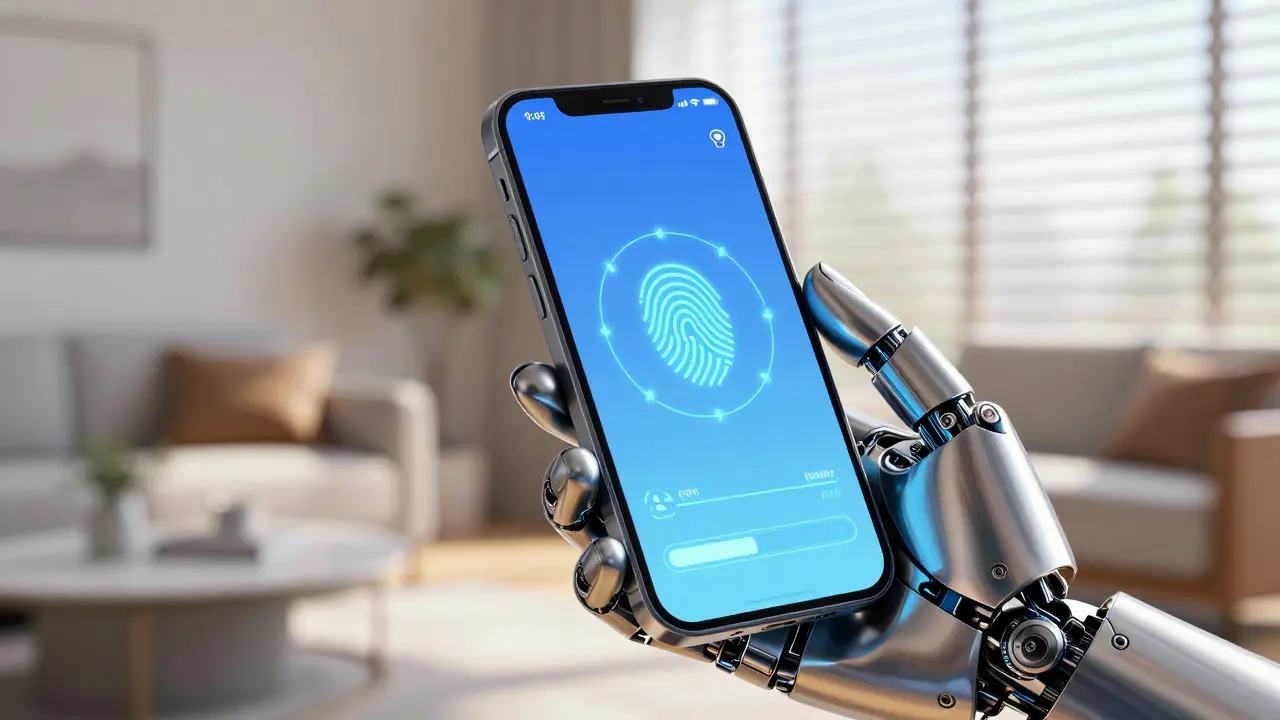
- Verification: Be ready with your prescription number, phone number, and potentially biometric ID (FaceID/Fingerprint) for app access.
- Legal Right: Under OBRA-90, you have the right to be offered counseling; requesting written documentation is the best way to ensure safety.
Ways to Access Notes Across Major Pharmacy Chains
Not all pharmacies handle documentation the same way. If you use a large chain, your best bet is usually their app, but the experience varies wildly. CVS Pharmacy is one of the largest retail pharmacy chains in the US, providing integrated digital health tools through a dedicated mobile app. If you use CVS, you can find basic info in their portal, but you'll need to use biometric authentication in the app to see specific counseling notes. Just be aware there's often a 48-hour lag before those notes actually show up.
If you're with Walgreens, which is a major American pharmacy and healthcare company specializing in prescription and over-the-counter medications, the process is slightly different. You'll need your phone number and an 8-digit authentication code. Their notes usually appear within 24 hours under the "Prescription Verification" section of the app, but only if you opted into documentation at the time of pickup.
For those using Rite Aid, the process is more restrictive. You generally need to have filled a prescription there in the last 12 months to use the portal. Once you pass the security questions, you can find your records under "Pharmacy Notes."
| Pharmacy Type | Primary Access Method | Typical Wait Time | Success Rate/Reliability |
|---|---|---|---|
| CVS | Mobile App (Biometric) | ~48 Hours | High (87% app success) |
| Walgreens | App (Auth Code) | ~24 Hours | Moderate (Depends on opt-in) |
| Independent | Phone/In-Person | Immediate (if requested) | Low digital access (33%) |
| Kaiser Permanente | Patient Portal | Same Day | Very High (98.7%) |
The "First-Use Gap" and Why Speed Matters
There is a dangerous window known as the "first-use gap." This is the period between when you pick up a drug and when you take the first dose. If a pharmacist told you that a medication causes extreme drowsiness, but you forget that and drive to work the next morning, that's a failure of documentation. Dr. William Eggleston, a clinical toxicology pharmacist, found that medication errors drop by over 22% when patients confirm their counseling points within the first 24 hours.
The irony is that most commercial systems take exactly that long-or longer-to update. If you have to wait 72 hours to see your notes online, the most critical window for safety has already passed. This is why relying on a digital portal for your first dose is a risky strategy.
Pro Steps to Ensure You Have the Right Info
Since the tech is often slow, you have to be proactive. Don't leave the pharmacy until you've checked these boxes:
- Request a Written Summary: Tell the pharmacist, "I'd like a written copy of the counseling points for my records." Because of the Omnibus Budget Reconciliation Act of 1990 (also known as OBRA-90), pharmacists are legally required to offer counseling. While they might not automatically print a summary, they will usually do so if you ask specifically for a written record.
- Ask for an Email Summary: Some modern pharmacies can push a summary to your email. This is often faster than the app portal and provides a searchable record you can access on your phone immediately.
- Verify Identity On-Site: If you're using an app like Walgreens, complete your identity verification while you're still standing at the counter. Internal data suggests that verifying identity on-site increases the chance of notes appearing within four hours to about 92%.
- Double-Check Controlled Substances: If you're picking up a controlled substance, remember that DEA regulations make these notes harder to access online. You'll almost certainly need to present a physical ID at the pharmacy to get these specific notes released to a digital portal.
Common Pitfalls to Avoid
One of the biggest mistakes patients make is assuming that all locations in a chain operate the same way. You might have had a great experience getting notes at one CVS, only to find the next location doesn't use the digital documentation system consistently. In fact, over 60% of patient complaints to state pharmacy boards involve inconsistent documentation between locations.
Another trap is the "app assumption." Just because you have the pharmacy's app doesn't mean your counseling notes are being recorded in a patient-facing way. Many pharmacists record notes for internal legal compliance (to satisfy The Joint Commission's medication management standards), but they don't necessarily "publish" those notes to the patient portal. Always ask: "Will these notes be available in my app, or just in your internal system?"
Future Outlook: AI and Real-Time Verification
The industry is finally moving toward solving this. By 2026, the Pharmacy Quality Alliance aims to have 90% of counseling notes available within four hours of pickup. We're also seeing the rise of AI-powered summaries. CVS is testing AI that generates a concise summary of the conversation at the counter and pushes it immediately to the app, boasting a 94% accuracy rate in capturing key points.
Independent pharmacies are also fighting back with tools like ScriptPath's MedConfirm, which sends a real-time SMS summary of your counseling points. If your local pharmacist doesn't offer any digital options, it might be worth asking if they have a patient-facing verification system or if they can email you a PDF of the instructions.
What is OBRA-90 and how does it help me?
The Omnibus Budget Reconciliation Act of 1990 (OBRA-90) is a federal law that requires pharmacists to offer counseling to Medicare patients (and in practice, almost all patients) on new prescriptions. It ensures that you have the opportunity to ask questions about side effects, dosage, and storage before you leave the store.
Why are my pharmacist notes not showing up in the app immediately?
Most pharmacy systems have a synchronization delay. Data from major chains like CVS and Walgreens shows a typical lag of 24 to 72 hours before internal pharmacist notes are migrated to the patient-facing portal. This is often due to administrative review or system batching processes.
Can I get counseling notes for controlled substances online?
It is more difficult. Due to DEA regulations and stricter security requirements, many pharmacies restrict the digital display of counseling notes for controlled substances. You will likely need to provide a government-issued ID in person to have these notes shared with you.
What should I do if I can't find my notes and I'm unsure about my dose?
Do not guess. Call the pharmacy immediately and ask to speak with the pharmacist who dispensed the medication. If it is after hours, check the printed auxiliary labels on the bottle (the small stickers) or contact your prescribing doctor's office.
Do independent pharmacies have the same apps as big chains?
Generally, no. Only about 28.7% of independent pharmacies have electronic systems that provide immediate digital access to counseling documentation, compared to over 60% of chain pharmacies. However, independents often provide more personalized, face-to-face counseling.
Next Steps for Different Needs
For the Tech-Savvy User: Download your pharmacy's app and set up biometric login *before* your next pickup. This removes the friction of authentication codes when you're trying to find notes quickly at home.
For Chronic Patients (Multiple Meds): Keep a dedicated "Medication Log" notebook. When the pharmacist gives you counseling points, jot them down in the notebook while you are still at the counter. This eliminates the need to rely on a digital portal that might be lagging.
For Caregivers: Always request a printed "Patient Education Sheet." When managing meds for someone else, having a physical piece of paper to reference is far safer than navigating a portal on a smartphone during a medical emergency.

Brady Davis
Oh sure because waiting 72 hours to find out if a pill will make me pass out is exactly how a modern healthcare system should work lol
Rauf Ronald
This is a great breakdown of a really common issue! I always tell people to just take a quick photo of the medication guide with their phone before leaving the counter. It is way faster than any app and you have the info instantly in your gallery. Definitely a game changer for anyone managing multiple prescriptions!
Danielle Kelley
Biometric ID for a pharmacy app? Absolutely not. They just want your fingerprints and face scans in a database so they can track exactly who is taking what and when. This is just another way for the government to monitor our health data and control the population through their meds. Wake up people!
Christopher Cooper
I appreciate the mention of OBRA-90. It is fascinating how these legal frameworks shape the actual experience we have at the pharmacy counter. I wonder if the rise of AI summaries will actually lead to better patient outcomes or if it just creates a new layer of digital detachment between the pharmacist and the patient. Regardless, being proactive is definitely the way to go!
Timothy Burroughs
typical american system failure right here lol everything is just a digital mess and no one knows how to run a business properly in this country anymore just get the paper and stop relying on these glitchy apps that take three days to update
Grace Lottering
The app delay is intentional. They want you confused.
Del Bourne
For those who are caregivers, I highly recommend the physical medication log mentioned here. In my experience, having a handwritten list not only prevents errors but also makes it much easier to share information with other family members or visiting nurses. It provides a reliable source of truth that doesn't depend on an internet connection or a forgotten password.
Srikanth Makineni
just call them. fastest way
GOPESH KUMAR
The obsession with AI summaries is just a symptom of a society that has forgotten how to communicate. We are replacing human wisdom with an algorithm that boasts a 94% accuracy rate and we call it progress. In reality we are just outsourcing our memory to a corporate cloud and wondering why we feel disconnected from our own well-being. It is quite a pathetic cycle of dependency on tools that aren't even fully reliable yet.
Dhriti Chhabra
I believe it is very important to maintain a respectful dialogue with our healthcare providers to ensure the best possible outcomes for all parties involved.
Rupert McKelvie
It is honestly quite encouraging to see the move towards SMS summaries in independent pharmacies. Those local spots always seem to have a more personal touch and this kind of tech could really help them bridge the gap with the big chains. I am sure many people will find this incredibly helpful.
Michael Flückiger
I totally agree with the advice to ask for printed summaries!!! It is just so much safer!!! Everyone should be doing this!!!
Vivek Hattangadi
I'm totally on board with the idea of a medication log. For anyone struggling with this, maybe we could start a thread of the best notebooks or apps for tracking meds manually? It would be awesome to help each other stay organized and safe. Let's make it a community effort to beat the first-use gap together!
Nathan Kreider
It's okay if you forget sometimes. Just give them a call and they'll be happy to help you out.