
You pick up your prescription from the pharmacy counter. The pharmacist hands you a bottle with a bright white sticker on it. You glance at it, see a bunch of numbers, tiny letters, and maybe a warning symbol, but do you really know what all that information means? Most people don’t. They just pop the pills when they remember or guess how much liquid medicine to give their child.
This isn't just about curiosity. Misreading a prescription label is a primary source of preventable medical errors in the United States. According to data from the Agency for Healthcare Research and Quality, medication errors contribute to approximately 7,000 deaths annually. That number drops significantly when patients actually understand the instructions printed right there on the container. Let’s break down exactly what each part of that label tells you, so you can take your medicine safely and effectively.
The Basics: Who Is This For?
The very first thing you should check is the patient's name. It sounds obvious, but in busy households where multiple family members share medications, mix-ups happen constantly. The Institute of Medicine reported 1.5 million medication errors occurring annually in U.S. healthcare systems, many stemming from simple identity confusion. If the name on the label doesn’t match yours (or the person taking the drug), stop. Do not take it. Call the pharmacy immediately.
Right next to the name, you’ll usually find the prescriber’s name-the doctor who ordered this specific treatment. Below that is the dispensing pharmacy’s information: name, address, and phone number. Why does this matter? Because if you have questions about side effects, run out early, or need a refill, you know exactly who to call. Don’t rely on memory; keep this number saved in your phone under "Pharmacy" so it’s always one tap away.
What Are You Taking? Names and Strengths
Medications often have two names: the brand name and the generic name. The label will list both. For example, you might see "Abstral" (brand) followed by "fentanyl" (generic) in parentheses. The generic name represents the active pharmaceutical ingredient-the actual chemical doing the work. Understanding this helps you realize that different-looking bottles might contain the same drug, which prevents accidental double-dosing if you switch pharmacies.
The dosage strength is critical. It tells you how much active ingredient is in each unit-whether that’s one tablet, one capsule, or one milliliter of liquid. In our fentanyl example, the label specifies "100 micrograms." This isn't just trivia; taking the wrong strength can lead to overdose or ineffective treatment. Always verify that the strength matches what your doctor discussed with you before leaving the office.
Instructions: How, When, and Why
This section is the heart of the label. It contains the administration instructions: frequency (how often), timing (when), and method (how). A typical instruction might read, "Take one tablet every 4 hours." But modern labeling goes further. Thanks to recommendations from the United States Pharmacopeia (USP), many labels now include the medication's purpose or indication. Instead of just saying "take as directed," it might say, "Take for high blood pressure."
Dr. Michael Cohen, President of the Institute for Safe Medication Practices (ISMP), noted that including the indication on labels reduces wrong-drug errors by 55%. If you’re juggling five different pills, knowing *why* you are taking each one helps you stay organized. If your label lacks this info, ask your pharmacist to write it on. Also, watch out for abbreviations. The BeMedWise campaign found that 43% of parents misinterpret pediatric doses because labels use "tsp" instead of spelling out "teaspoon." Always clarify ambiguous terms.
Safety Nets: Warnings and Expiration
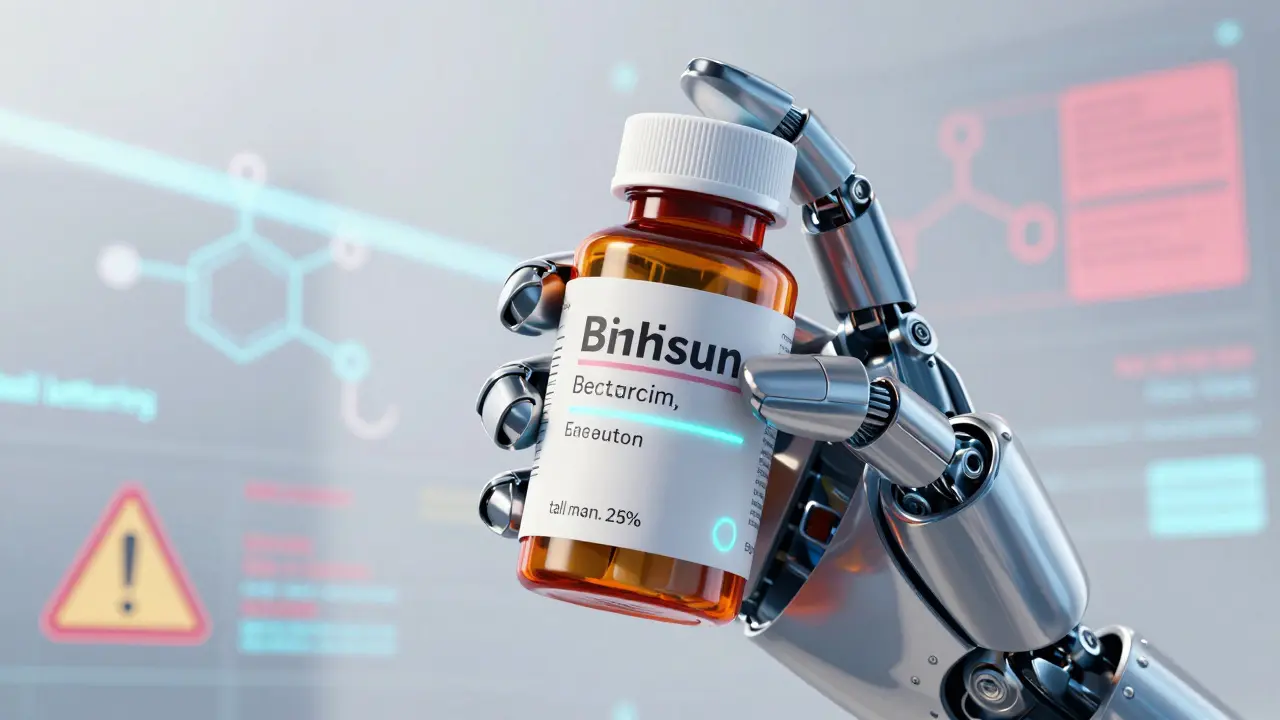
Look for bold text or symbols near the bottom or sides of the label. These are warnings. They highlight critical safety information, such as contraindications (who shouldn’t take it) or serious risks like drowsiness. Some labels feature "tall man lettering"-where parts of similar drug names are capitalized differently (e.g., predniSONE vs. predniSOLONE)-to reduce visual confusion. The ISMP reported this technique cuts confusion errors by 47%.
Another vital date is the expiration date. This isn’t just a suggestion; it indicates when the medication may lose potency or become unsafe. USP standards typically set this window at 12-18 months from dispensing. Never assume an old pill is fine just because it looks intact. Chemical breakdown happens invisibly. Check this date every time you reach for your meds, especially after long trips or storage changes.
Identification Codes: NDC and Rx Numbers
You’ll see two sets of numbers that look like gibberish but serve important tracking purposes. The National Drug Code (NDC) is a 10- or 11-digit identifier required by the FDA since 1987. It uniquely identifies the manufacturer, the specific product, and the package size. This code ensures you received the exact drug ordered and helps track recalls.
The other number is the prescription (Rx) number. This is unique to your specific order. The Cleveland Clinic notes that this number must match across all container labels for the same prescription. When calling for refills, having this number ready speeds up the process and prevents billing errors. Think of it as the receipt number for your health care transaction.
Storage and Visual Checks
Not all medicines live happily at room temperature. Storage instructions specify environmental requirements, such as "store at 20°-25°C (68°-77°F)" or "refrigerate." Ignoring these can render drugs useless. Insulin, for instance, loses effectiveness if frozen or overheated. Keep these instructions visible, perhaps by sticking a small note on your fridge door.
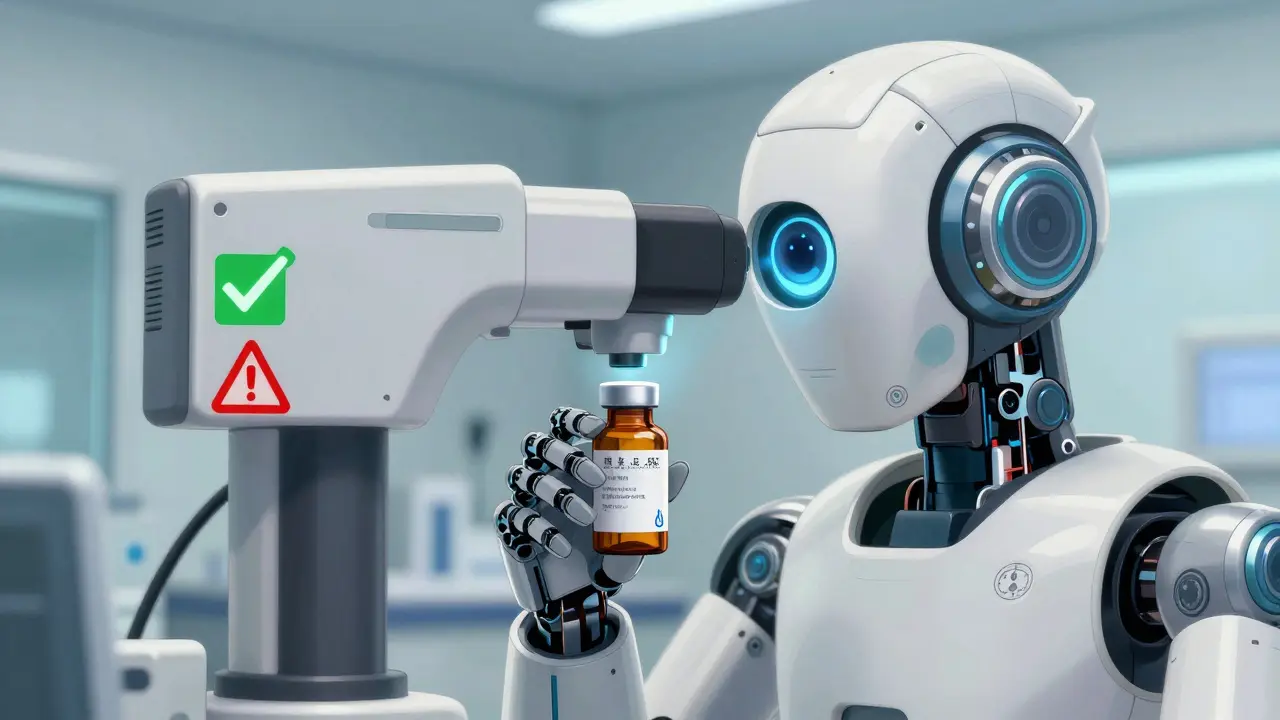
Finally, some labels include a visual description of the medication itself-its color, shape, and imprint. For example, "white, round, film-coated tablets." This helps you verify that the pills inside the bottle match what you expect. If you open the cap and see blue capsules instead of white tablets, something went wrong. Trust your eyes; confirm with your pharmacist before taking anything that looks different.
| Label Element | What It Means | Why It Matters |
|---|---|---|
| Patient Name | Your full legal name | Prevents mix-ups between family members |
| Drug Name | Brand and generic names | Ensures correct medication identification |
| Dosage Strength | Amount per unit (e.g., 500mg) | Avoids under/overdosing |
| Instructions | Frequency, timing, method | Guides proper usage |
| Expiration Date | Last safe use date | Ensures potency and safety |
| NDC Number | Manufacturer/product ID | Tracks supply chain and recalls |
Making Sense of Complex Labels
If your label feels overwhelming, you are not alone. The FDA’s 2021 Patient Labeling Assessment found that 71% of patients prefer labels with both written and pictorial instructions. If your current label lacks clarity, ask your pharmacist for help. They can add stickers, draw diagrams, or explain complex directions verbally. The "Ask Me 3" program, used in thousands of healthcare organizations, encourages patients to confirm three things: What is my main problem? What do I need to do? Why is it important? Use this framework every time you pick up a new script.
Remember, the goal is adherence and safety. A clear understanding of your prescription label transforms a confusing piece of paper into a powerful tool for managing your health. Take a moment to read it fully before leaving the pharmacy. Your well-being depends on it.
Why is the generic name included on my prescription label?
The generic name identifies the active pharmaceutical ingredient, ensuring you know exactly what chemical is in the medication regardless of the brand. This prevents accidental double-dosing if you receive the same drug under different brand names from various sources.
What should I do if the medication looks different than expected?
Stop and contact your pharmacy immediately. The label often includes a visual description (color, shape, imprint). If the pills inside do not match this description, there may be a dispensing error that needs correction before you take any dose.
Can I ignore the expiration date if the medicine hasn't been opened?
No. Even unopened medications degrade over time. The expiration date guarantees potency and safety within specific storage conditions. Using expired drugs can lead to ineffective treatment or unexpected side effects.
Why does my label have a National Drug Code (NDC)?
The NDC is a unique identifier for the manufacturer, product, and package size. It allows for precise tracking in the supply chain, facilitates insurance billing, and aids in recalling specific batches if safety issues arise.
What does "tall man lettering" mean on a label?
Tall man lettering capitalizes distinct parts of similar drug names (e.g., DOXEpine vs. DOXOrubicin) to reduce visual confusion. Studies show this formatting reduces medication errors by nearly half for look-alike drugs.
