
Chronic diarrhea that won’t go away-no blood, no fever, no obvious cause-can be one of the most frustrating health problems out there. If you’ve been dealing with five to ten watery bowel movements a day for months, and your colonoscopy came back normal, you might be facing microscopic colitis. It’s not flashy like Crohn’s or ulcerative colitis. There’s no visible damage. But under the microscope, the inflammation is clear. And for many people, budesonide is the treatment that finally brings relief.
What Exactly Is Microscopic Colitis?
Microscopic colitis isn’t one disease. It’s two: collagenous colitis and lymphocytic colitis. Both cause the same symptoms: persistent, watery diarrhea without blood. You might also have abdominal cramps, weight loss, or feel like you can’t control your bowels-especially at night. The kicker? Your colon looks perfectly normal during a colonoscopy. That’s why it’s called microscopic. The damage only shows up when a pathologist looks at tissue samples under a high-powered lens. In lymphocytic colitis, there’s a flood of white blood cells (lymphocytes) between the lining cells of the colon. In collagenous colitis, a thick band of collagen-like scar tissue-builds up just below the surface. Either way, the colon can’t absorb water properly. That’s why you’re constantly running to the bathroom. It’s not stress. It’s not food poisoning. It’s inflammation you can’t see without a microscope. This condition mostly hits people over 50, and women are more likely to get it than men-about 7 out of 10 cases. Rates have been climbing. In 1990, it affected about 1 in 100,000 people. Today, it’s nearly 5 in 100,000. More doctors know to test for it, and more people are getting colonoscopies. But it still takes an average of 11 months to get diagnosed. Many patients are told they have IBS before the real culprit is found.Why Budesonide Is the Go-To Treatment
When you’re having 10 bowel movements a day, you need something that works fast-and budesonide does. It’s a steroid, but not like prednisone. Budesonide is designed to act right where it’s needed: in the colon. About 90% of it gets broken down by the liver before it ever enters your bloodstream. That means fewer side effects. No moon face. No bone thinning. No spikes in blood sugar-at least not as often. The standard dose is 9 milligrams a day for 6 to 8 weeks. Studies show 75% to 85% of people go into remission by the end of that time. That’s compared to only 25% to 30% on a placebo. In one major trial, 84% of collagenous colitis patients had their diarrhea stop completely after 8 weeks on budesonide. Only 38% did on sugar pills. It’s not magic. But it’s the most effective drug we have for getting symptoms under control quickly. The European Microscopic Colitis Group, the Mayo Clinic, and the Crohn’s & Colitis Foundation all agree: start with budesonide if your diarrhea is moderate to severe.What Happens After the First 8 Weeks?
Here’s the catch: budesonide doesn’t cure microscopic colitis. It controls it. About half of people who stop the drug have symptoms come back within a year. That’s why maintenance therapy is common. Some people stay on 6 milligrams a day long-term. Others try to taper down slowly-cutting 3 milligrams every few weeks-and hope the inflammation stays quiet. The problem? No one knows the long-term safety of taking budesonide for years. Elderly patients are especially at risk for adrenal suppression, where the body stops making its own cortisol. That’s why doctors check blood pressure, bone density, and blood sugar before and during treatment. If you’re over 50, you might need a DEXA scan to check for early bone loss. Many patients report feeling great at first-then realizing they’re stuck on the drug. One person on a patient forum said, “It worked like a charm for six weeks. Now I’ve been on a maintenance dose for two years. I don’t know how to get off.”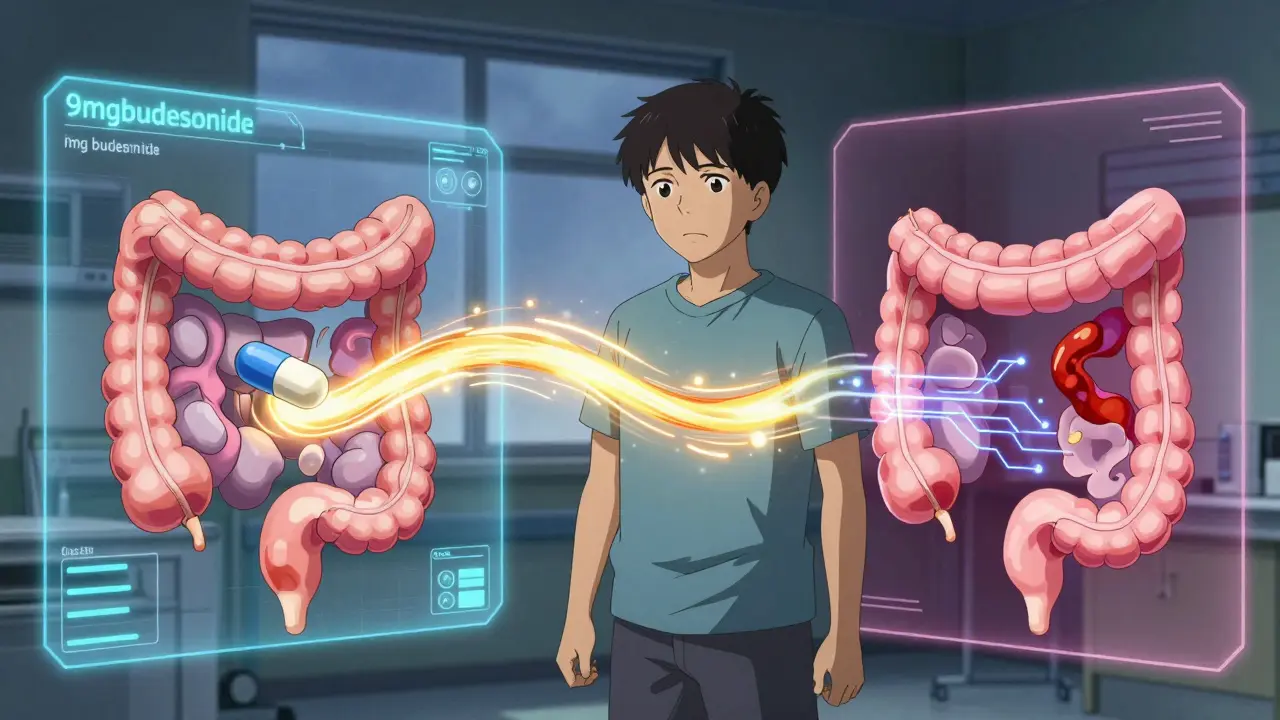
Other Options-And Why They Fall Short
There are alternatives, but none match budesonide’s success rate. Bismuth subsalicylate (Pepto-Bismol) helps about 26% of people. It’s cheap and safe, but you have to take it four times a day. Mesalamine, used for ulcerative colitis, works in about half of cases. Cholestyramine can help if bile acid malabsorption is part of the problem-about 60-70% respond. But these are band-aids. They don’t tackle the root inflammation like budesonide does. Stronger drugs like infliximab (Remicade) are sometimes tried for stubborn cases. But they cost $2,500 to $3,000 per infusion, carry infection risks, and only help 20-30% of people. They’re not worth it unless everything else fails. Some patients combine treatments. One Reddit user said, “Budesonide plus cholestyramine fixed me after three years of misery.” That’s not uncommon. Doctors often try a combo approach if one drug isn’t enough.Cost, Access, and Real-World Challenges
Generic budesonide became available in 2018. That cut the price by 60%. A full 8-week course now costs $150 to $250 with insurance. Without it? You’re looking at $800 to $1,200 for the branded version, Entocort EC. That’s a huge barrier. Many patients on forums say they skip doses or stop early because they can’t afford it. Side effects are usually mild-insomnia, acne, mood swings-but they’re real. About 15% of users report trouble sleeping. 12% get breakouts. A few report anxiety or depression. These aren’t listed as common in the drug’s official pamphlet, but patients report them consistently. Doctors are still learning how to manage relapses. The Crohn’s & Colitis Foundation recommends tapering slowly: drop 3 mg every 2 to 4 weeks. Rushing the process leads to flare-ups. And if symptoms return? You might need to go back on budesonide-or try a different strategy.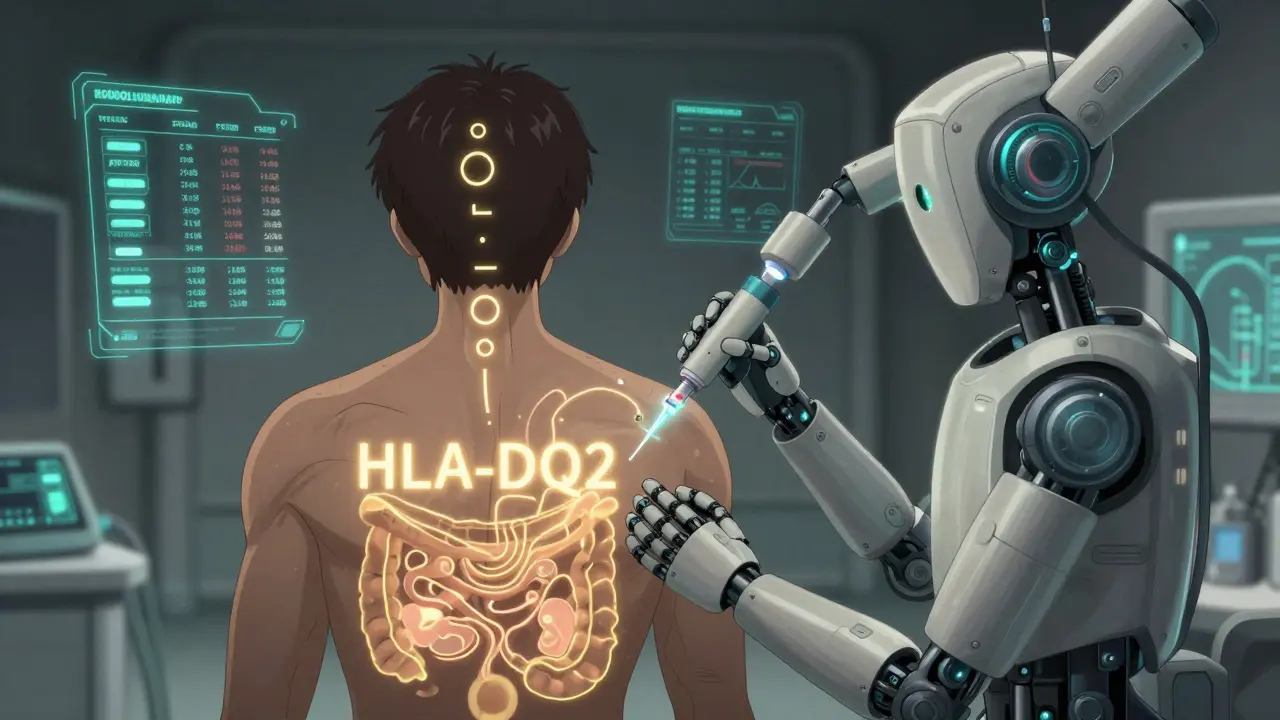
What’s Next for Microscopic Colitis?
Research is moving fast. In 2023, the FDA gave fast-track status to vedolizumab, a biologic drug that targets gut-specific inflammation. Early results show 65% of patients went into remission after 14 weeks. That’s promising for people who can’t tolerate or don’t respond to budesonide. Scientists are also looking at genetics. Early data suggests people with HLA-DQ2 or HLA-DQ8 genes respond better to budesonide. That could mean future tests to predict who will benefit most. For now, budesonide remains the gold standard. It’s not perfect. It doesn’t cure. It’s not cheap. But for millions with chronic watery diarrhea and no other explanation, it’s the treatment that gives them back their lives.What You Should Do If You Suspect Microscopic Colitis
If you’ve had unexplained watery diarrhea for more than 4 weeks:- Ask your doctor for a colonoscopy with multiple biopsies-especially from the right colon. One or two samples aren’t enough.
- Make sure the pathologist knows to look for microscopic colitis. It’s easy to miss.
- Keep a symptom diary: frequency, timing, triggers, associated pain.
- Review your medications. NSAIDs (like ibuprofen), SSRIs, and proton pump inhibitors are linked to microscopic colitis.
- If diagnosed, discuss budesonide as first-line therapy. Don’t accept “it’s just IBS.”
Final Thoughts
Microscopic colitis is invisible until you look closely. But its impact isn’t. It steals sleep, social plans, confidence. For too long, it was dismissed. Now we have a treatment that works. Budesonide isn’t the end of the story, but it’s the beginning of relief for most. The goal isn’t just to stop diarrhea. It’s to stop living in fear of the next bathroom. And for many, budesonide makes that possible.Can microscopic colitis be cured?
There’s no known cure for microscopic colitis. But many people achieve long-term symptom control. About half of patients go into remission after a short course of budesonide and never have symptoms return. For others, especially those with collagenous colitis, relapses are common. Maintenance therapy, dietary changes, or avoiding triggers like NSAIDs can help keep symptoms away. Some people remain symptom-free for years after stopping treatment.
How long does it take for budesonide to work?
Most people notice improvement within 1 to 2 weeks. By week 4, 70% to 80% of patients report fewer bowel movements and less abdominal pain. Full remission-meaning no diarrhea and normal stool consistency-usually happens by week 6 to 8. It’s not instant, but it’s faster than most other treatments for chronic diarrhea.
Is budesonide safe for older adults?
Yes, it’s generally safer than older steroids like prednisone because it’s metabolized quickly by the liver and has low systemic exposure. However, older patients are more sensitive to steroid effects. Doctors monitor for signs of adrenal suppression, high blood pressure, elevated blood sugar, and bone loss. Baseline tests for HbA1c, blood pressure, and bone density are recommended before starting treatment, especially for those over 60.
Can I take budesonide with other medications?
Budesonide can interact with drugs that affect liver enzymes, like ketoconazole, clarithromycin, or grapefruit juice. These can increase budesonide levels in your blood, raising the risk of side effects. Always tell your doctor about all medications and supplements you take. NSAIDs (ibuprofen, naproxen) and proton pump inhibitors (omeprazole) are linked to triggering or worsening microscopic colitis, so they may need to be stopped or switched.
What foods should I avoid with microscopic colitis?
There’s no universal diet, but many patients find relief by avoiding dairy, caffeine, artificial sweeteners, spicy foods, and high-fat meals. Lactose intolerance often develops alongside microscopic colitis. Some benefit from a low-FODMAP diet, especially if they also have IBS-like symptoms. Keeping a food diary helps identify personal triggers. Bile acid malabsorption is common-so reducing fat intake may help reduce diarrhea.
Will I need a colonoscopy every year?
No. Once microscopic colitis is confirmed by biopsy, routine repeat colonoscopies aren’t needed unless symptoms change or you develop warning signs like bleeding, weight loss, or anemia. The condition doesn’t increase cancer risk like ulcerative colitis does. Monitoring is based on symptoms, not scans. Blood tests for inflammation (like fecal calprotectin) are becoming more common for tracking response to treatment.
Are there any new treatments on the horizon?
Yes. Vedolizumab, a biologic drug that targets gut-specific inflammation, showed 65% remission rates in early trials and received FDA Fast Track designation in 2023. Researchers are also studying fecal microbiota transplants and genetic markers to predict who responds best to budesonide. While budesonide will remain first-line for the next several years, targeted therapies may soon offer better long-term options for those who relapse.

Kegan Powell
Man i used to be scared to leave the house for more than an hour 😅 budesonide literally saved my life. no more panic attacks before every road trip. i dont even think about bathrooms anymore. just wish i found this sooner
Anjula Jyala
Microscopic colitis is just a fancy term for poor gut microbiota management. You dont need steroids you need probiotics and fasting protocols. Budesonide is a bandaid for systemic neglect. The real issue is modern diet toxicity
Kirstin Santiago
I know someone who was on budesonide for 3 years and slowly tapered off with dietary changes and stress management. It took patience but theyre finally off it and doing great. Its not one size fits all but its a real tool if used right
Kathy McDaniel
so i started budesonide and my diarrhea stopped but then i got acne and couldnt sleep at all 😩 like why does the good stuff always come with side effects
Andrew Clausen
The claim that budesonide has 90% first-pass metabolism is misleading. Pharmacokinetic studies show variable hepatic extraction depending on CYP3A4 activity. In patients with liver enzyme polymorphisms or concurrent ketoconazole use, systemic exposure can exceed 20%. This contradicts the article's oversimplified safety narrative.
Paul Taylor
Ive been dealing with this for 7 years. First they said IBS then celiac then food allergies. Finally a gastroenterologist took biopsies from the right colon and found collagenous colitis. Budesonide worked in 10 days. But now im stuck on 3mg daily because the second i stop it comes back. Its a cycle. I dont know if i can live like this forever. I just want to go on vacation without planning every exit on the highway
Desaundrea Morton-Pusey
Why are we letting pharmaceutical companies control our health like this. Budesonide is just a profit machine. They dont want to cure it they want you addicted. Look at the price drops after generics came out. Thats not compassion thats capitalism
Murphy Game
Did you know the FDA fast-tracked vedolizumab because of lobbying from GI drug manufacturers? Microscopic colitis is being inflated as a diagnosis to sell biologics. Real doctors know this is mostly stress and gut dysbiosis. Budesonide is just the latest placebo with side effects.