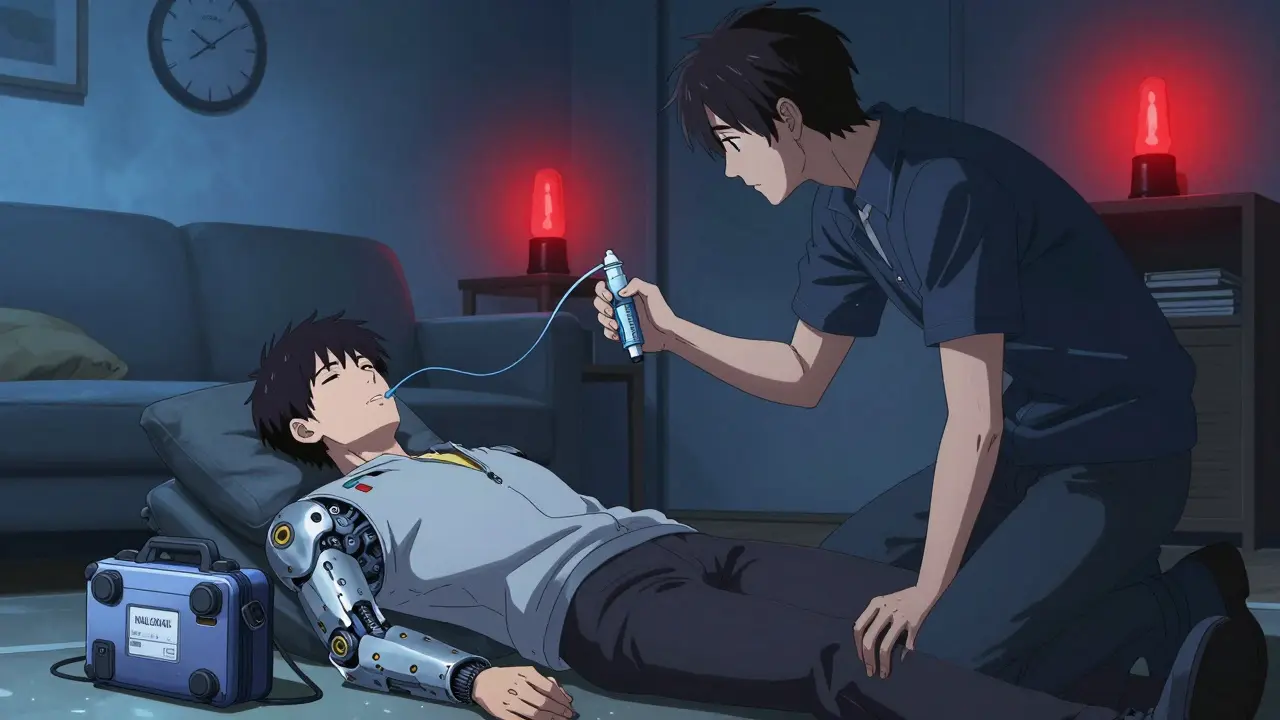
Naloxone Readiness & Emergency Response Simulator
Recognize the Signs
You find someone unresponsive. Before acting, you must identify if it's an opioid overdose.
Check for these signs:
- ● Unresponsiveness (shaking doesn't wake them)
- ● Slow or irregular breathing / gasping
- ● Pinpoint pupils, pale/bluish skin
Call Emergency Services
Naloxone is a bridge, not a cure. Professional medical help is required immediately.
Administer Naloxone
Retrieve your naloxone kit. You have two common options:
Nasal Spray
- Tilt head back slightly
- Insert into one nostril
- Press plunger firmly until click
- Remove device
IM Injection
- Use outer thigh muscle
- Inject at 90-degree angle
- Hold in place briefly
Check Breathing & Rescue
Wait 2-3 minutes. Is the person breathing normally?
Tilt head back, lift chin. Give 1 breath every 5 seconds. This keeps oxygen flowing to the brain.
Recovery Position
If the person is breathing but unconscious, or just waking up:
Turn onto their side
Prevents choking on vomit/fluidMonitor for Renarcotization
Naloxone wears off in 30-90 minutes. The danger is NOT over.
- Keep them awake and talking
- Monitor for 2-3 hours minimum
- Be ready to give a second dose if breathing slows again
- Ensure they go to the hospital
Imagine this: you are sitting in your living room, watching a movie with a friend who has been prescribed pain medication. Suddenly, they stop responding. Their breathing slows to a dangerous crawl. In that moment, panic is natural, but it is also the enemy. What you do in the next two minutes can mean the difference between life and death. This is why a naloxone readiness plan is not just a suggestion-it is a critical survival tool for anyone taking opioids or caring for someone who does.
Naloxone is a life-saving medication designed specifically to reverse an opioid overdose. It works by rushing into the brain and blocking the opioid receptors that cause breathing to slow down or stop. Think of it as an emergency reset button for the body’s respiratory system. While it was once reserved strictly for hospital settings, changes in regulations and medical understanding have made it accessible to the public. Understanding how to use it effectively before an emergency happens is the only way to ensure it saves a life when seconds count.
Understanding Naloxone: How It Works and Why It Matters
To build a solid safety plan, you first need to understand the tool itself. Naloxone is an opioid antagonist medication that rapidly reverses the effects of opioid overdose by blocking opioid receptors in the brain. Developed in 1961 and approved for widespread use decades later, it has become a cornerstone of harm reduction strategies globally.
The science behind it is straightforward but powerful. When someone overdoses on opioids like morphine, fentanyl, or prescription painkillers, these drugs bind tightly to receptors in the brain, slowing heart rate and breathing. Naloxone has a much stronger affinity for these receptors-up to 100 times greater than morphine. It kicks the opioids off the receptors, allowing normal breathing to resume within 2 to 5 minutes.
It is crucial to know what naloxone cannot do. It will not help if the overdose is caused by alcohol, benzodiazepines, or other non-opioid substances. Furthermore, it is completely safe to administer even if you are unsure whether opioids are involved. If the person is not experiencing an opioid overdose, naloxone simply has no effect. There is no risk of harm from giving it unnecessarily, which removes one of the biggest barriers to action during an emergency.
Essential Components of a Naloxone Readiness Plan
A readiness plan is more than just having a bottle of medicine in a cabinet. It is a structured approach to preparedness that ensures everyone knows what to do. According to guidelines from health organizations like the American Academy of Family Physicians, an effective plan includes specific physical supplies, clear protocols, and trained personnel.
Here are the core elements every patient and their support network should include:
- Immediate Accessibility: The naloxone kit must be within 30 seconds of where the patient spends most of their time. Do not lock it away. In an emergency, every second counts.
- Multiple Doses: One dose is rarely enough. Potent synthetic opioids like fentanyl may require higher doses. Experts recommend keeping at least two 4mg nasal spray kits or four 0.4mg vials for intramuscular use on hand.
- Emergency Contact Protocol: Decide beforehand who to call. Always dial emergency services (911 in the US, 000 in Australia) immediately. Naloxone is a bridge to professional care, not a cure.
- Rescue Breathing Supplies: Keep a barrier device or mask nearby. Rescue breathing is often the missing link in successful reversals.
- Expiration Date Checks: Naloxone typically lasts 18 to 24 months. Mark your calendar to check and replace kits annually.
For rural residents, the stakes are even higher. Emergency response times can average over 20 minutes in remote areas compared to under 9 minutes in cities. This delay makes having a robust home-based readiness plan absolutely vital.
Recognizing an Overdose: The First 30 Seconds
You cannot respond to what you do not recognize. Overdose signs can be subtle at first, especially if the person is sleeping. You need to look for three key indicators, often remembered by the acronym "Pinpoint Pupils, Pale Skin, Poor Breathing."
- Unresponsiveness: Shout their name and shake their shoulders firmly. If they do not wake up or respond, this is a red flag.
- Abnormal Breathing: Listen closely. Is their breathing slow? Irregular? Are there long pauses between breaths? Gasping is also a sign of respiratory distress.
- Physical Signs: Look for pinpoint pupils (tiny black dots in the center of the eyes), pale or bluish skin, and cold, clammy skin. A gurgling sound, sometimes called the "death rattle," indicates fluid in the lungs due to stopped breathing.
If you see these signs, do not wait to confirm. Assume it is an overdose and act immediately. Hesitation is the most common reason naloxone fails to save lives.
Step-by-Step Administration Guide
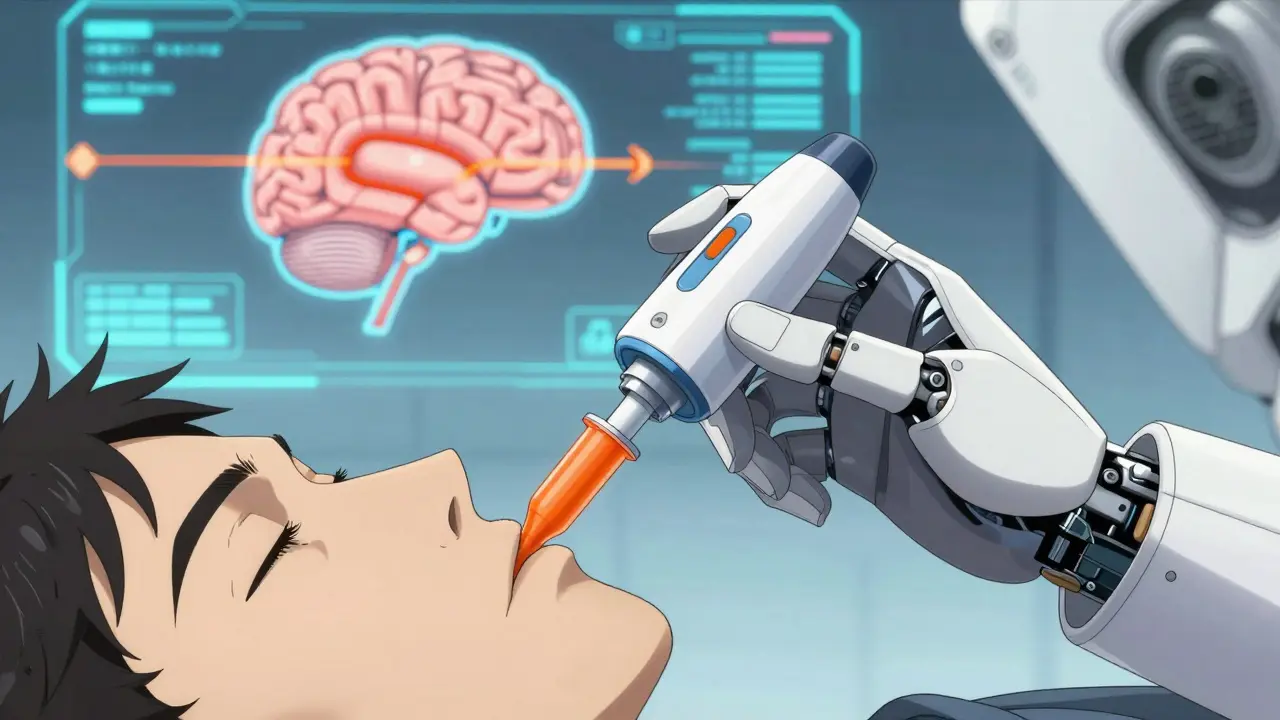
Panic can make simple tasks feel impossible. Practice makes perfect. Familiarize yourself with the two most common forms of naloxone available today: the nasal spray and the auto-injector or intramuscular injection.
Nasal Spray (e.g., NARCAN®):
- Tilt the person’s head back slightly.
- Insert the tip into one nostril.
- Press the plunger firmly until it clicks.
- Remove the device. Do not blow their nose afterward.
Intramuscular Injection:
- Use the outer thigh muscle.
- Inject at a 90-degree angle using a 22-25 gauge needle.
- This method requires more training but is highly effective.
After administration, turn the person onto their side (the recovery position) to keep their airway clear. Monitor their breathing closely. If they do not start breathing within 2 to 3 minutes, administer a second dose. Repeat every 2 to 3 minutes if necessary.
The Critical Role of Rescue Breathing
Many people believe that administering naloxone is the end of the process. It is not. Data from community recovery groups shows that rescue breathing is mentioned in nearly 80% of successful reversal stories. Naloxone blocks the opioids, but it does not restart breathing on its own if the brain has been deprived of oxygen for too long.
If the person does not begin breathing normally after receiving naloxone, you must provide rescue breaths. Tilt their head back, lift their chin, and give one breath every 5 seconds. This manual ventilation keeps oxygen flowing to the brain until their natural reflex returns or emergency services arrive. The American Heart Association emphasizes that starting rescue breathing within one minute of recognition prevents permanent brain damage.
Post-Reversal Care and Renarcotization
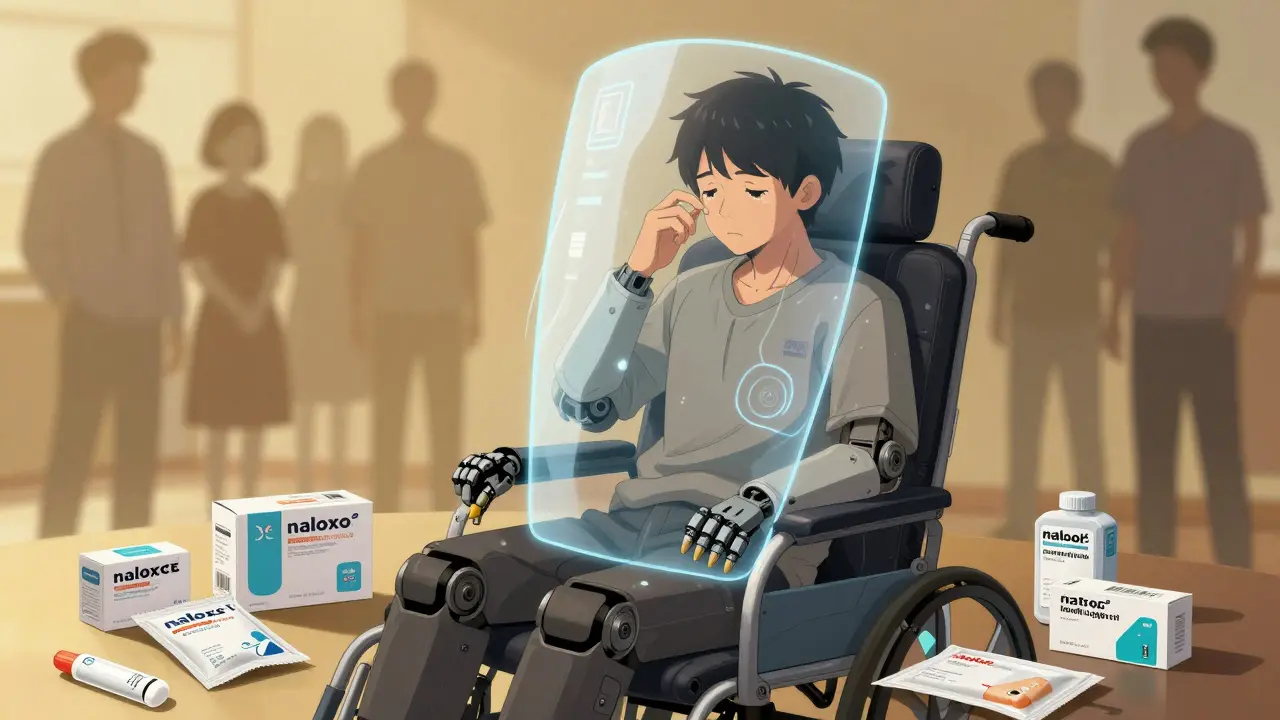
Once the person wakes up, the danger is not over. Naloxone wears off faster than many opioids, lasting only 30 to 90 minutes. This creates a window for "renarcotization," where the opioids take effect again, causing the person to slip back into an overdose.
You must monitor the individual for at least 2 to 3 hours after they regain consciousness. Keep them awake and talking. Do not let them go back to sleep unmonitored. They may feel confused, agitated, or nauseous as withdrawal symptoms kick in. Stay calm and reassure them. Most importantly, ensure they receive medical evaluation, even if they seem fine. Complications like aspiration pneumonia or muscle damage can occur silently after an overdose event.
Accessing Naloxone: Costs and Legalities
Getting your hands on naloxone has become easier, but barriers remain. In the United States, the FDA approved the first over-the-counter naloxone nasal spray in March 2023. This means you can buy it without a prescription at major pharmacy chains. However, costs vary wildly. A generic nasal spray might cost $25-$40, while brand-name options like NARCAN® can retail for $130-$150 without insurance.
Legal protections are also improving. As of late 2023, 47 states have enacted laws protecting bystanders who administer naloxone in good faith. Many states also allow "standing orders," meaning pharmacies can dispense naloxone based on a general order from the state health department rather than an individual doctor’s prescription. If you are outside the US, check your local health department’s guidelines. In Australia, for example, pharmacists can supply naloxone under specific state-based schemes.
| Formulation | Dosage | Administration Route | Estimated Cost (USD) | Best For |
|---|---|---|---|---|
| Nasal Spray (Generic) | 4mg | Intranasal | $25 - $40 | Home use, ease of administration |
| NARCAN® Nasal Spray | 4mg | Intranasal | $130 - $150 | Insurance-covered plans, high reliability |
| IM Injection Vial | 0.4mg | Intramuscular | $25 - $40 per vial | Clinical settings, trained responders |
| Auto-Injector (Evzio®) | 2mg or 4mg | Intramuscular | $3,000+ | High-risk environments, voice-guided assistance |
Overcoming Stigma and Building Community Support
Despite its life-saving potential, stigma remains a significant hurdle. Many patients fear that carrying naloxone admits defeat or encourages drug use. Healthcare providers sometimes hesitate to prescribe it due to discomfort discussing addiction. This mindset is dangerous. Carrying naloxone is no different than carrying an EpiPen for allergies or a fire extinguisher in your kitchen. It is a precaution, not a prediction.
Encourage open conversations with friends and family. Share your readiness plan. Let them know where the kit is and how to use it. Normalizing this discussion saves lives. Workplace programs are also expanding; with workplace overdose deaths rising sharply, companies are increasingly required to stock naloxone. If you work in a high-risk industry, ask your employer about their safety protocols.
How long does naloxone last in the body?
Naloxone typically remains active in the body for 30 to 90 minutes. Because many opioids, especially long-acting ones like methadone or potent synthetics like fentanyl, last longer than this, the person may slip back into an overdose once the naloxone wears off. This is known as renarcotization. It is essential to monitor the individual for several hours and be prepared to administer additional doses if breathing slows again.
Can I get naloxone without a prescription?
In many regions, yes. In the United States, the FDA approved over-the-counter naloxone nasal spray in 2023, making it available at major pharmacies without a prescription. Additionally, 47 states have laws allowing standing orders, which permit pharmacists to dispense naloxone based on a general state directive rather than an individual prescription. Check your local health department’s website for specific access points in your area.
What should I do if the person does not respond to the first dose?
If there is no response within 2 to 3 minutes, administer a second dose immediately. With potent opioids like fentanyl, multiple doses (sometimes up to three or more) may be required. Continue to provide rescue breathing if they are not breathing. Do not assume the medication failed; simply give another dose and keep monitoring until emergency services arrive.
Is it illegal to carry naloxone?
No, it is not illegal to carry naloxone in any jurisdiction where it is legally distributed. In fact, many places have "Good Samaritan" laws that protect individuals who administer naloxone in good faith during an emergency. These laws ensure you will not face legal penalties for helping someone in need, even if they possess illegal substances.
Does naloxone work on all types of opioids?
Yes, naloxone works on all opioids, including prescription painkillers like oxycodone and hydrocodone, heroin, and synthetic opioids like fentanyl. However, synthetic opioids are so potent that they may require higher doses of naloxone to reverse their effects. Standard doses might not be sufficient for fentanyl-induced overdoses, necessitating the availability of multiple kits.
