Traveling With Medications: Security, Storage, and Refills
You’ve booked your flight, packed your bags, and double-checked your passport. But have you thought about your meds? If you’re taking anything from insulin to anxiety pills, skipping this step could mean getting stopped at security, losing your medicine, or worse-being denied entry into another country. It’s not just a hassle. It’s a health risk.
In 2024, over 12% of international travelers reported having medication confiscated. That’s not a rare accident. It’s a predictable outcome when people don’t know the rules. And it’s not just about pills. If you’re using an insulin pump, a portable oxygen concentrator, or even CBD oil, you’re navigating a maze of laws that change by country, airport, and even airline.
What the TSA Actually Allows in 2025
The Transportation Security Administration (TSA) doesn’t ban medications. But they do require you to play by their rules-or risk delays, searches, or confiscation.
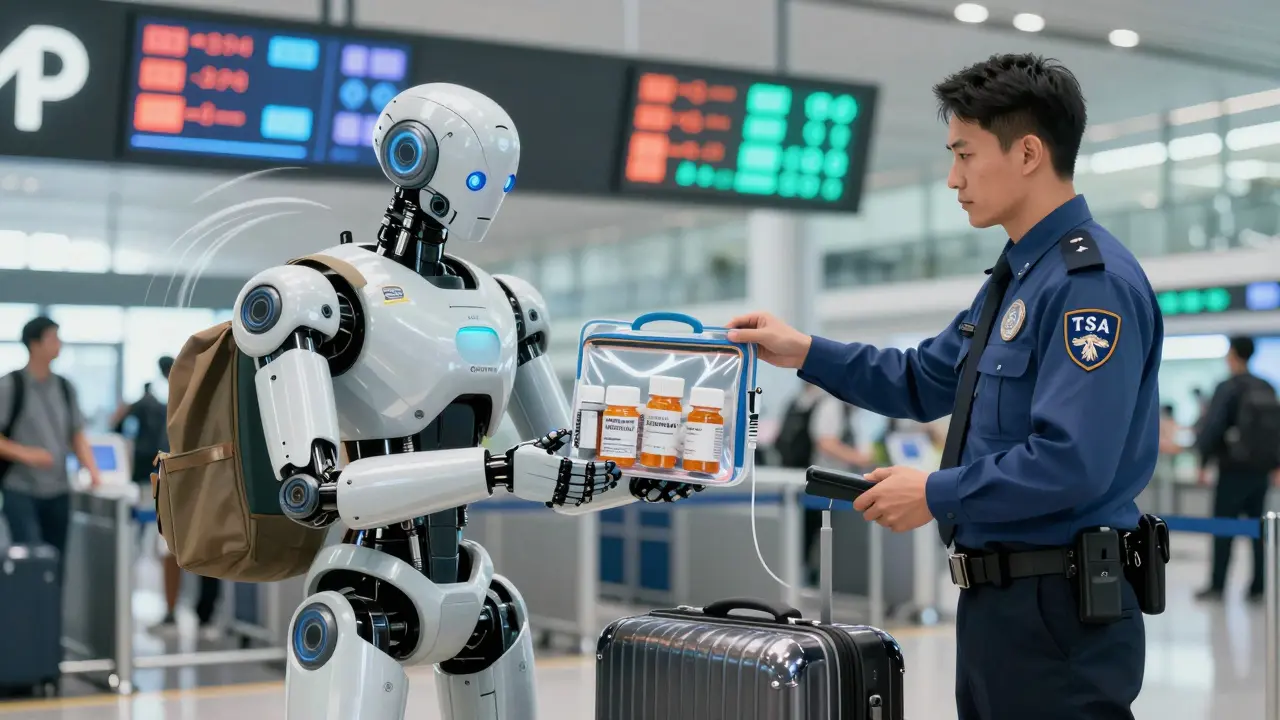
Liquids like syrups, inhalers, or eye drops over 3.4 ounces (100ml) used to be a red flag. Now, as of April 2025, TSA allows medically necessary liquids in reasonable amounts. But here’s the catch: you must declare them. Don’t just toss them in your bag. Tell the officer before you reach the scanner. Bring them out separately. Label them clearly. The more obvious they are, the faster you’ll get through.
For pills, capsules, or tablets? No size limits. No need to put them in a ziplock. But here’s what works better than anything: keeping them in their original pharmacy bottles. TSA data shows that travelers with labeled containers cut their inspection time by 63%. That’s not a suggestion-it’s a shortcut. A bottle with your name, the pharmacy’s logo, and the doctor’s prescription info tells security, “This is legit.” No questions asked.
And if you’re carrying an insulin pump, nebulizer, or any device with a lithium battery? It must go in your carry-on. Checked bags are off-limits. FAA rules updated in January 2025 make this clear: medical devices with batteries can’t be packed in checked luggage. Same goes for power banks used to charge your devices. They’re limited to 100 watt-hours unless you get airline approval ahead of time.
International Rules Are a Minefield
TSA rules only apply in the U.S. Once you land abroad, a whole new set of laws kicks in. And they’re not always obvious.
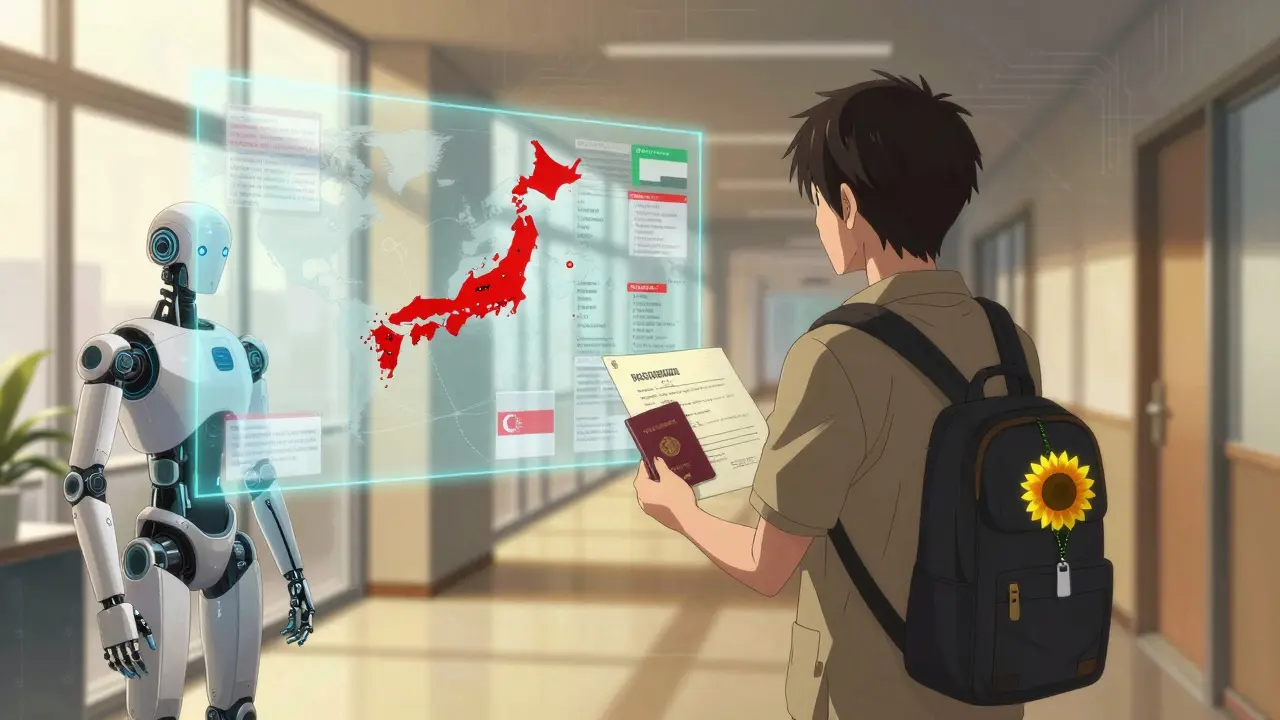
Japan bans pseudoephedrine-the active ingredient in many cold and allergy meds. If your sinus medication has it, you’re bringing in a prohibited substance. Thailand requires prior government approval for benzodiazepines like Xanax or Valium. The UAE doesn’t just restrict opioids-they ban them completely. That includes codeine, oxycodone, and even some cough syrups with morphine derivatives.
And then there’s Adderall and Vyvanse. These common ADHD medications are outright illegal in 17 countries, including France, Sweden, and Japan. You can’t bring them in, even with a prescription. The same goes for amphetamines in general. What’s legal in Sydney or New York is a criminal offense in places like Singapore, Hong Kong, or Dubai.
Even CBD oil is tricky. TSA lets you fly with CBD under 0.3% THC in the U.S. But 29 countries, including Singapore, the UAE, and Saudi Arabia, ban it entirely-even if it’s legal at home. No exceptions. No “it’s just hemp.” If you’re caught with it, you could face fines, detention, or worse.
The CDC’s 2025 Yellow Book lists five high-risk medications: hydrocodone, oxycodone, alprazolam, diazepam, and zolpidem. These are controlled substances in the U.S.-and in nearly a third of the world’s countries. If you’re taking any of these, you’re not just packing medicine. You’re packing legal risk.
How to Store Medications Safely on the Road
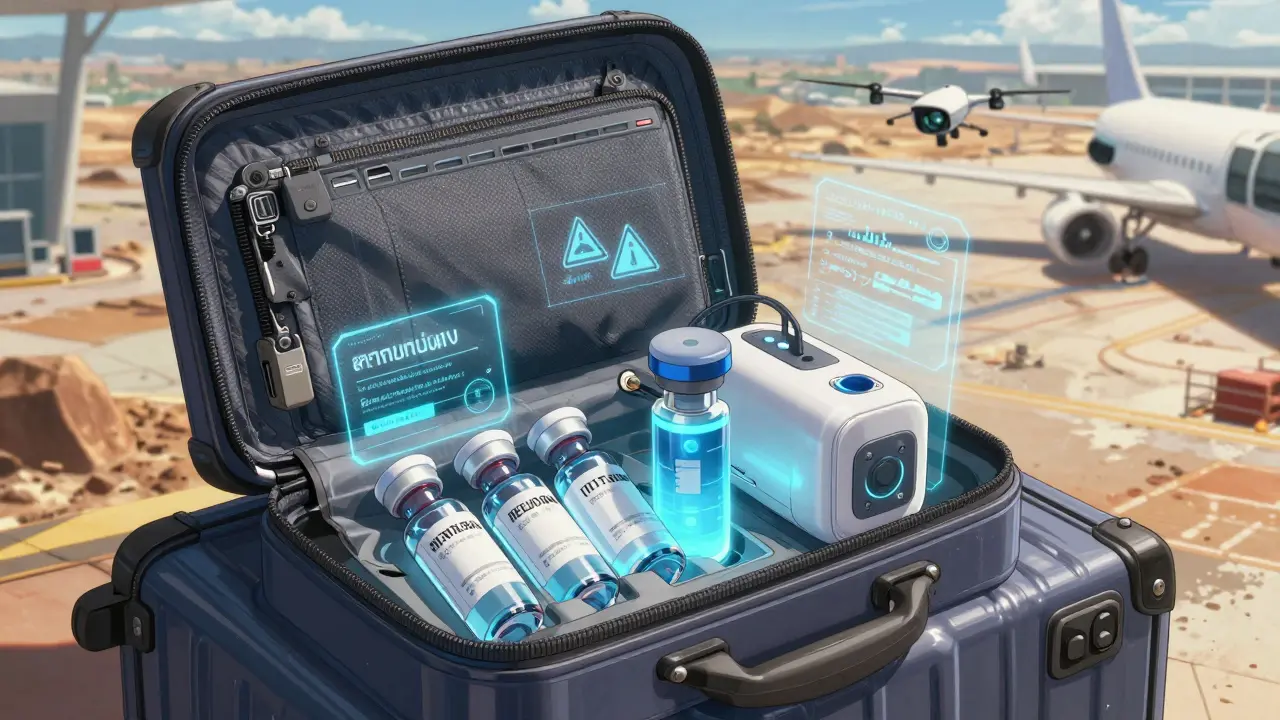
Temperature matters. If your meds need to stay cool, heat can ruin them. Insulin, for example, must stay between 36°F and 46°F (2°C-8°C). Once it gets too warm, it loses effectiveness. And you won’t know until it’s too late.
Most travelers try to keep meds in their carry-on, next to them on the plane. That’s smart. But if you’re heading to a tropical destination, or your flight has a long layover in a hot airport, that’s not enough. That’s where pharmaceutical-grade cooling wallets come in. These aren’t regular lunch bags. They’re insulated pouches designed to maintain 2°C-8°C for up to 72 hours-even when the outside temperature hits 40°C. A 2025 Diabetes Travel Survey found that 73% of insulin users who used these wallets had zero issues with temperature exposure.
Don’t rely on hotel fridges. They’re not calibrated for medicine. Some run too cold and freeze your insulin. Others don’t get cold enough. Stick with a portable cooling solution. And always carry a backup supply-preferably in a different bag. If your carry-on gets lost, you still have access to your meds.
Pro tip: Use zip-top bags to separate pills from liquids. Put each type of medication in its own labeled bag. That way, if you’re asked to show your meds, you’re not digging through a mess. Speed matters at security.
Documentation You Can’t Skip
You don’t need a doctor’s note to fly domestically in the U.S. But internationally? You’re not just asking for permission-you’re proving your case.
The CDC recommends a letter from your doctor for every international trip. It should include:
- Your full name and date of birth
- The name of each medication (brand and generic)
- The dosage and frequency
- The medical condition being treated
- The doctor’s contact info and signature
Translate it into the language of your destination if possible. Countries like Japan, Thailand, and Spain often require it. Even if they don’t ask, having it ready saves you hours of stress.
Original prescription bottles are non-negotiable in 67% of countries. That means no empty pill organizers unless you’re carrying a backup. Even if you’re used to transferring pills for convenience, leave your travel-sized containers at home. The pharmacy label is your proof.
And if you’re carrying controlled substances? Some countries require an official permit. The U.S. State Department can help you get one. Start this process at least six weeks before you leave. It’s not fast. But it’s better than being turned away at immigration.
Getting Refills Abroad
What if your trip lasts longer than 90 days? Or your meds run out? You can’t just walk into a pharmacy abroad and fill a U.S. prescription.
The FDA allows you to bring in a 90-day supply for personal use. But if you’re staying longer, you can have additional medication mailed to you. The catch? You need documentation: a copy of your passport, your visa, a doctor’s letter, and a translated English copy of your prescription. The FDA requires all of it to approve the shipment.
Some countries allow you to refill prescriptions locally-if you have a local doctor. But that’s not easy. You’ll need to find a clinic that understands your condition and is willing to write a new prescription based on your U.S. records. That’s why it’s smarter to plan ahead. Order extra pills before you leave. Or arrange for a mail-order pharmacy to ship refills to your hotel or a trusted contact abroad.
And never assume your insurance covers care overseas. Most U.S. plans don’t. You’re on your own for medication costs abroad. Budget for it.
What to Do If Something Goes Wrong
Even with perfect planning, things can go sideways. Your bag gets lost. Your meds get confiscated. You’re stuck in a foreign airport with no access to your insulin.
First, stay calm. Don’t argue with security. They’re following rules, not trying to hurt you.
If your medication is taken, ask for a written receipt. That’s your proof of loss. Then contact the nearest U.S. embassy or consulate. They can help you find local pharmacies, connect you with doctors, or even assist with emergency medication shipments.
If you’re carrying a medical device and it breaks? Most major airports now have TSA Cares support lanes. These are staffed by trained specialists who help travelers with disabilities or medical needs. Request one when you check in. You can also ask for a sunflower lanyard-worn visibly on your bag or clothing-to signal you need extra help. Since the program launched, processing times for medication travelers have dropped by 41%.
And if you’re caught with something illegal? Don’t try to hide it. Cooperate. Ask for legal assistance. Many countries have strict penalties, but they also have processes. Your embassy can help you navigate them.
Final Checklist Before You Fly
- ✅ Keep all meds in original pharmacy bottles with labels
- ✅ Carry a doctor’s letter in English (and translated if needed)
- ✅ Check the INCB database for your destination’s medication rules
- ✅ Pack meds in carry-on-not checked luggage
- ✅ Use a cooling wallet for temperature-sensitive meds
- ✅ Bring 10-20% extra supply beyond your trip length
- ✅ Know your device’s battery limits (100Wh max)
- ✅ Declare all meds at security
- ✅ Contact your embassy if you’re carrying controlled substances
Traveling with meds isn’t about being paranoid. It’s about being prepared. The rules are complex, but they’re not impossible. Do the work ahead of time, and you’ll avoid the panic, the delays, and the heartache.
Can I bring my insulin pump on a plane?
Yes, but it must be in your carry-on luggage. Insulin pumps contain lithium batteries, and FAA rules require all medical devices with batteries to stay with you on the plane. Checked bags are not allowed. Always carry a doctor’s note and keep the device visible at security. TSA Cares lanes can help if you need extra time or assistance.
Is it legal to bring Xanax to Thailand?
No, not without prior government approval. Thailand classifies alprazolam (Xanax) as a controlled substance. Even with a U.S. prescription, you must apply for a permit before arrival. Without it, you risk confiscation, fines, or arrest. Check Thailand’s Ministry of Public Health website or contact their embassy before traveling.
Can I mail my medication to myself overseas?
Yes, but only under strict conditions. The FDA allows foreign nationals to receive additional medication by mail for extended stays. You need: a copy of your passport and visa, a doctor’s letter explaining your medical need, and a translated English copy of your prescription. Shipments must come from a licensed pharmacy and be labeled clearly as personal medication. Customs may inspect the package.
What if my medication is confiscated at the airport?
Ask for a written receipt documenting what was taken. Then contact the nearest U.S. embassy or consulate immediately. They can help you find local pharmacies, connect you with doctors, or arrange emergency medication shipments. Never try to replace it on your own-unregulated sources can be dangerous. Document everything for insurance or future claims.
Do I need to declare my meds at U.S. airport security?
Yes, always. Even if you’re only flying domestically, declare all medications at the checkpoint. Place them in a clear bin before going through the scanner. TSA officers are trained to handle medical items, but they can’t help if they don’t know what you’re carrying. Declaring your meds reduces delays and prevents misunderstandings.
Can I bring CBD oil on a plane?
Within the U.S., TSA allows CBD oil with less than 0.3% THC. But internationally, 29 countries-including Singapore, Dubai, and Japan-ban it entirely, no matter the THC level. Even if it’s legal at home, it’s illegal in many destinations. Never assume it’s safe. Check the INCB’s country-specific list before you fly.
How much medication can I bring on a trip?
The FDA allows a 90-day personal supply for international travel. For longer trips, you can have additional medication mailed to you, but you need documentation: passport copy, visa, doctor’s letter, and English prescription. Never bring more than you need unless you’re following the official mail-in process. Excess amounts can trigger customs scrutiny or seizure.
What’s Next?
If you’re planning a trip and take regular meds, start now. Don’t wait until the day before you leave. Visit the INCB’s traveler database. Contact your embassy. Print your doctor’s letter. Pack your cooling wallet. Double-check your pills.
Medication safety isn’t about perfection. It’s about preparation. The difference between a smooth trip and a nightmare? A few hours of planning ahead.

Katie Taylor
I don't care what the rules say-I've flown with my insulin pump in my purse for 8 years and never had an issue. TSA agents are just scared of anything that doesn't look like a shampoo bottle. Just be cool, confident, and don't apologize for needing to live.
Lu Jelonek
For anyone heading to Southeast Asia: I spent 3 months in Thailand last year with my anxiety meds. Got stopped at customs, showed my doctor's letter and original bottles, and they waved me through. No permit needed if you're under 30 days. But if you're staying longer? Start the paperwork early. It's not hard, just bureaucratic.
Jeffrey Frye
so like... i read this whole thing and like... why is everyone so extra? i bring my adderall in a pill organizer, no label, no note, never had a problem. maybe you guys just travel too much? also CBD oil is literally just hemp water, why are we treating it like heroin?
Andrea Di Candia
There's something beautiful about how we've turned medicine into a legal obstacle course. We're not just managing health-we're managing fear. Fear of the unknown, fear of authority, fear of being seen as 'too much.' But here's the truth: your meds aren't contraband. They're your lifeline. The system should bend for you, not the other way around. Maybe we need to stop asking permission and start demanding dignity.
Chris Buchanan
Bro, you're telling me I need a 10-page doctor's letter to fly with Tylenol? Next thing you know they'll want a notarized affidavit for my Advil. This is the future? A world where you need a background check to take a pill? I'm just glad I'm not flying with my coffee-probably needs a FAA waiver now.
Raja P
I traveled to Dubai last year with my diabetes meds. They asked for the prescription at immigration. I had it printed, labeled, and even translated. They smiled, said 'Welcome,' and let me through. It’s not about fear-it’s about preparation. Simple.
Harsh Khandelwal
This whole thing is a government scam. They want you to panic so you’ll buy their 'med-travel kits' and 'cooling wallets'-which are just fancy ziplocs. The real reason they make it so hard? So you don't travel. Less people moving = less chaos. And less chaos = more control. You think they care about your insulin? Nah. They care about your compliance.
Andy Grace
I’ve flown with a portable oxygen concentrator for 12 years. The key? Call the airline 72 hours before. They’ll email you a checklist. Print it. Bring it. Don’t wait until check-in. And wear the sunflower lanyard. It’s not a gimmick-it’s a silent signal that says, 'I need help, not a lecture.'
Delilah Rose
I just want to say that I’ve been traveling with chronic pain meds for over a decade and the emotional toll is way heavier than the logistics. It’s not just about getting through security-it’s about carrying the weight of being seen as suspicious, as a potential addict, as someone who needs to prove their humanity every time they board a plane. I’ve had agents roll their eyes at my pill bottles, ask if I’m 'selling' them, or tell me 'maybe you should just stop taking those.' So yes, the checklist matters-but so does the compassion. We need to remember that behind every bottle is a person who just wants to get from point A to point B without being treated like a criminal.
Spencer Garcia
Original bottles + doctor's note = smooth ride. Done.
Rachel Cericola
I’m a nurse and I’ve helped dozens of patients prepare for international trips. The biggest mistake? Waiting until the last minute. I had a patient who got stuck in Mexico because her Xanax bottle didn’t have the pharmacy label-she’d transferred them to a pill organizer. She spent three days in a clinic trying to get a local prescription, and the cost was $800. Just keep them in the original bottles. It’s not about being rigid-it’s about being smart. And if you’re on a controlled substance? Get that permit. It takes 6 weeks. Start now. Your future self will thank you.
Blow Job
I’ve flown with insulin, Adderall, and CBD oil to 14 countries. No permits, no letters, no cooling wallets. Just kept everything in my pocket. Never got questioned. Maybe the system’s not broken-maybe we’re just overcomplicating it because we’ve been conditioned to fear authority. Sometimes the bravest thing you can do is walk through security like you own it.
John Pearce CP
This article reads like a propaganda pamphlet from the pharmaceutical-industrial complex. You’re telling people to follow rules that were written by bureaucrats who’ve never held an insulin pump. The real issue? The U.S. government has outsourced healthcare to corporations that profit from fear. Why else would they require you to buy $50 'cooling wallets' instead of just letting you carry your medicine? This isn’t safety-it’s monetized control.
EMMANUEL EMEKAOGBOR
I traveled from Nigeria to Canada with my antiretroviral meds. They asked for documentation. I had my prescription, a letter from my doctor, and even a translation in French. They were impressed. Said, 'This is how it should be done.' Sometimes, respect is just preparation with a smile.
CHETAN MANDLECHA
I just read this. Wow. So much info. I’m going to Thailand next month. I have Xanax. I think I’ll just leave it at home. Better safe than sorry. Thanks for the heads up.