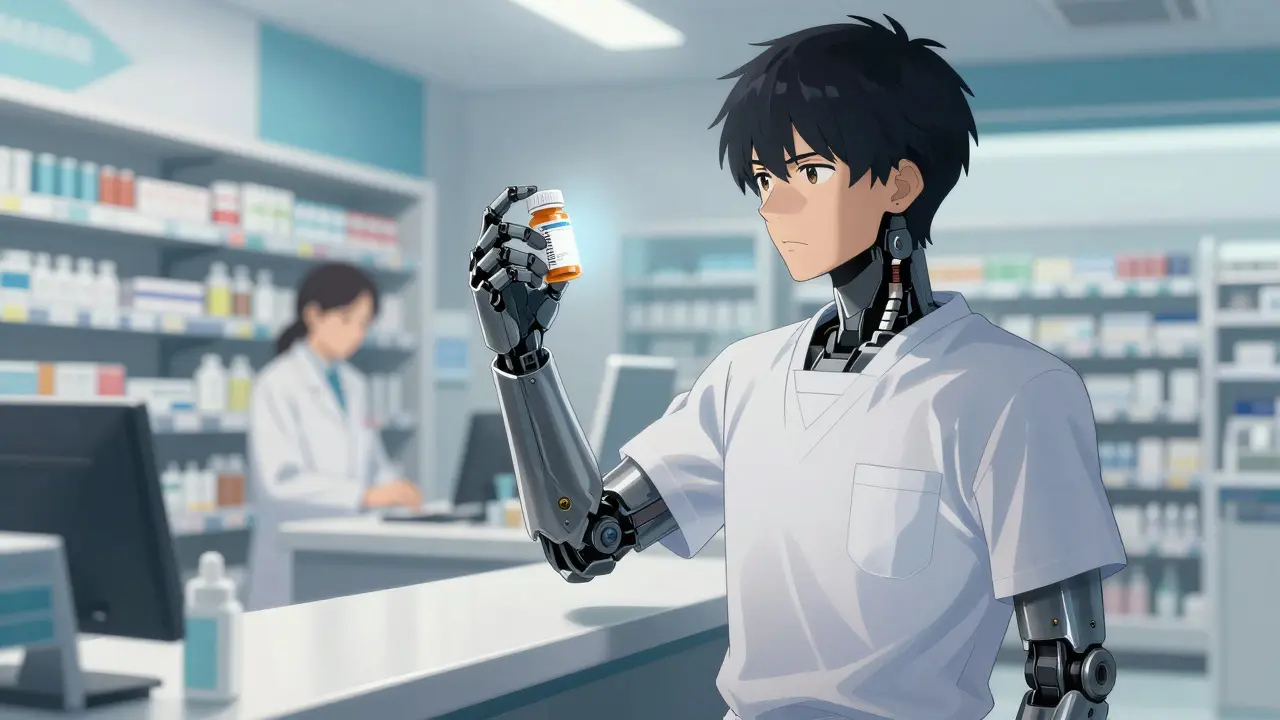
Imagine picking up your monthly blood pressure medication. You walk out of the pharmacy, toss the bottle in your bag, and head home. Later that night, you reach for it, but something feels off. The pill looks different. Or maybe the name on the label doesn't quite match what your doctor discussed. This isn't just a hypothetical scare; it's a reality for many patients. According to the Institute for Safe Medication Practices (ISMP), labeling discrepancies account for 25% of preventable medication errors. That’s why taking thirty seconds to verify your prescription label is one of the most powerful things you can do for your health.
You are the final checkpoint in the medication dispensing process. Pharmacists are experts, but they are human too. By confirming your name and medication details before you leave the counter, you catch mistakes that automated systems might miss. A study published in the Journal of the American Pharmacists Association showed that patient verification reduces the likelihood of taking incorrect medications by 67%. It’s not about distrusting your pharmacist; it’s about protecting yourself.
The 30-Second Verification Checklist
Verifying a prescription label doesn’t require a degree in pharmacology. The Pharmacy Quality Alliance recommends a simple six-step process that takes less than half a minute. Do this every time you pick up a new prescription or refill.
- Check the Lighting: Hold the bottle at eye level under good light. If you’re near a window or under bright store lights, great. If not, ask the pharmacist if you can step aside to check it properly. Poor lighting is the enemy of accuracy.
- Verify Your Name: Look at the top of the label. Does your full legal name appear exactly as you provided it? Include your middle initial if you use one. If the name is wrong, stop. Do not take the medication home.
- Confirm the Medication Name: Check both the brand and generic names. For example, if your doctor prescribed Lipitor, the label should say "Atorvastatin" (the generic) and likely "Lipitor" (the brand). Ensure it matches what you discussed with your doctor.
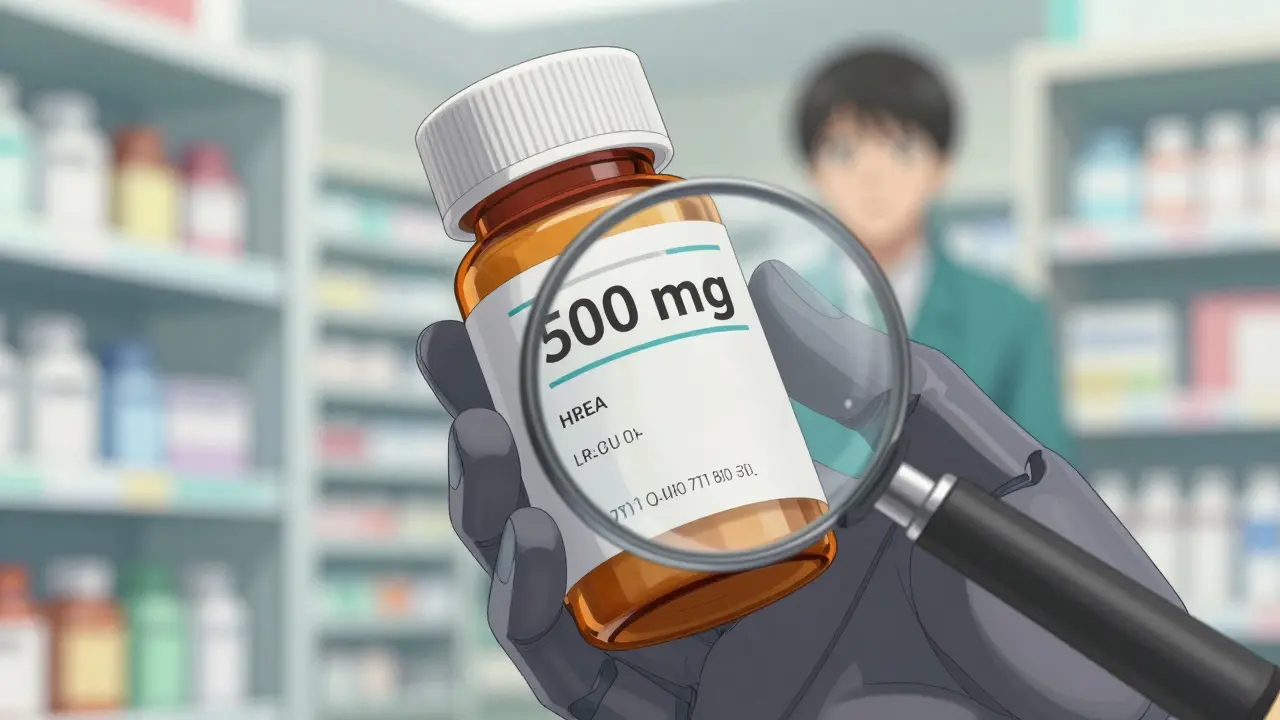
- Validate the Strength: This is where dangerous errors happen. A label saying "10 mg" instead of "5 mg" is a critical difference. Double-check the numbers carefully. Is it 500 mg or 50 mg?
- Review the Directions: Read the instructions. Does it say "Take one tablet twice daily"? Does that match what your doctor told you? If the directions seem confusing or different from previous visits, ask for clarification immediately.
- Check Contact Info: Ensure the pharmacy’s phone number and address are legible. You’ll need this if you have questions later or if you lose the original paperwork.
If any of these steps raise a red flag, speak up. The pharmacist is right there. They want to fix the error before it becomes a health crisis.
Understanding What’s on the Label
To verify effectively, you need to know what information is legally required on your prescription label. Federal regulations, specifically 21 CFR § 1306.12, mandate specific elements. Knowing these helps you spot missing or incorrect data.
| Element | What to Look For | Why It Matters |
|---|---|---|
| Patient Name | Your full first and last name | Ensures the medication is intended for you, not someone else. |
| Medication Name | Brand and/or generic name | Confirms you received the correct drug. |
| Strength | Dosage amount (e.g., 500 mg) | Prevents overdose or underdose errors. |
| Dosage Form | Tablet, capsule, liquid, etc. | Ensures you can physically take the medication as prescribed. |
| Directions | How and when to take it | Guides proper usage to maximize effectiveness. |
| NDC Number | 10- or 11-digit code | Unique identifier for the specific manufacturer and product. |
| Prescriber Name | Your doctor’s name | Allows you to contact them if you have questions about the prescription. |
| Pharmacy Info | Name, address, phone number | Provides support resources for refills or issues. |
The National Drug Code (NDC) is particularly important. It’s a unique identifier that links the label to the specific manufacturer and packaging. While you don’t need to memorize it, knowing it exists helps you understand that each pill has a digital fingerprint. If you’re curious, you can look up the NDC online to verify the manufacturer, though this is usually unnecessary if the other details match.
Common Pitfalls and How to Avoid Them
Even careful patients make mistakes. Here are the most common reasons verification fails and how to handle them.
Visual Impairment
If you have trouble reading small print, you’re not alone. About 12.7% of adults over 40 have some form of visual impairment. Don’t guess. Ask the pharmacist for help. Many pharmacies offer magnifiers or large-print labels. The American Foundation for the Blind recommends using smartphone magnification features, which are built into most modern phones. Simply zoom in on the label until the text is clear.
Confusing Abbreviations
Medical jargon can be tricky. Terms like "bid" (twice a day) or "qd" (once a day) might confuse you. If the directions aren’t in plain English, ask the pharmacist to translate them. The FDA recommends that labels use plain language, but not all pharmacies follow this strictly. Never assume you know what an abbreviation means.
Similar-Looking Names
Some medication names sound alike or look similar on paper. For example, Celexa and Zyprexa are very different drugs with similar-sounding names. Always check the spelling carefully. If you’re unsure, ask the pharmacist to explain the difference between the brand and generic names.
Wrong Patient Name
This sounds silly, but it happens. In a busy pharmacy, two people with similar names might get mixed up. One Reddit user shared a story where her roommate’s medication had her name printed on it by mistake. Always double-check the name against your ID card or insurance card.
When to Speak Up
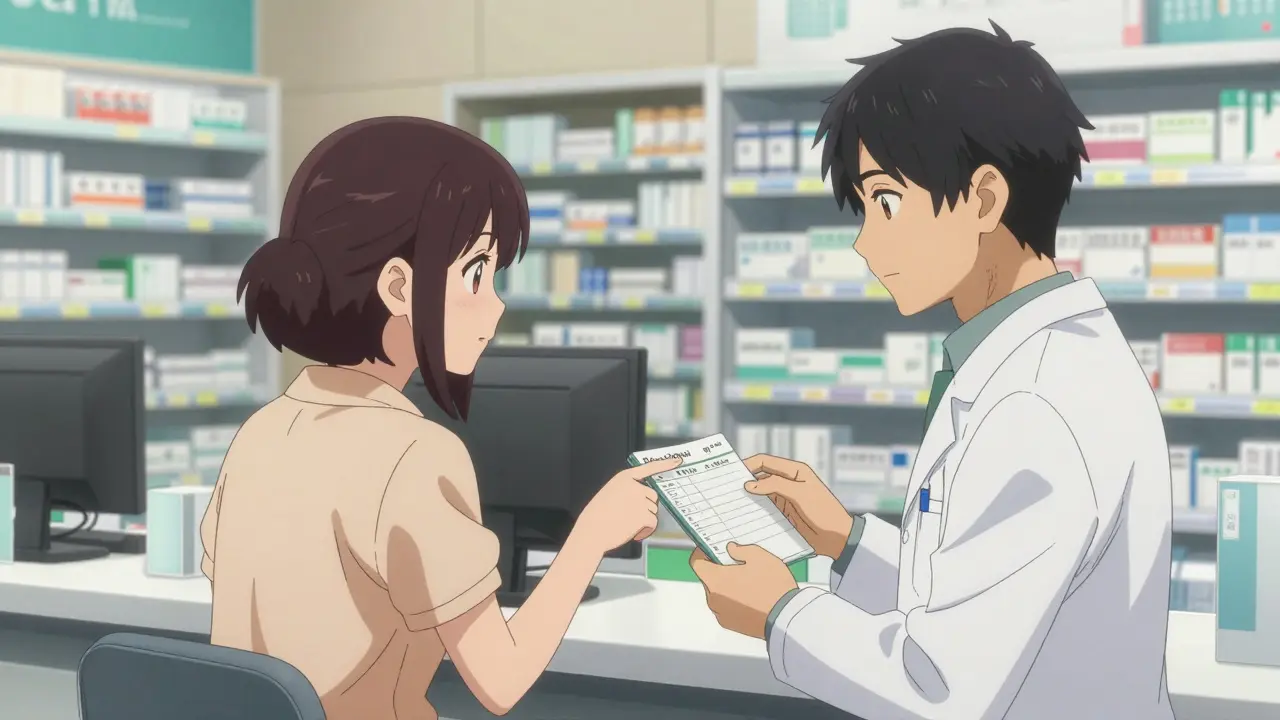
If you find an error, stay calm but firm. Politely inform the pharmacist: "I think there might be a mistake here." Show them the label and explain what you expected. For example, "My doctor prescribed 5 mg, but this says 10 mg." The pharmacist will verify their records and correct the issue. Most errors are fixed quickly and without drama.
Don’t feel embarrassed. Pharmacists expect these checks. In fact, many appreciate when patients pay attention. It shows you care about your health. According to a 2023 survey by the National Patient Safety Foundation, 68% of patients always verify their labels, and 18% discovered at least one error in the previous year. You’re part of a growing movement toward safer healthcare.
Tips for Special Situations
Some scenarios require extra caution. Here’s how to handle them.
- Multiple Medications: If you’re picking up several prescriptions, check each one individually. Don’t bundle them together. Verify each label separately to avoid mixing them up.
- New Prescriptions: Pay extra attention to new medications. Compare the label with the written instructions your doctor gave you. If you don’t have written instructions, ask the pharmacist to summarize the key points.
- Controlled Substances: For opioids or other controlled substances, states like New York require additional counseling. Take advantage of this. Ask questions about side effects and interactions.
- Bilingual Labels: In California and other states, pharmacies must provide bilingual labels for top non-English languages. If English isn’t your first language, request a label in your preferred language. It’s your right.
The Role of Technology
While manual verification is essential, technology can help. Apps like Medisafe and GoodRx allow you to scan labels and set reminders. However, these tools supplement, not replace, your own checks. As of 2023, only 28% of adults over 65 use smartphones for health management, according to Pew Research Center. For many, the physical label remains the primary source of truth.
Look out for future innovations. The FDA is standardizing label formats, with larger fonts and clearer hierarchies coming by late 2025. Some pharmacies are experimenting with QR codes that link to video instructions. These changes aim to make verification easier for everyone.
Why This Matters
Medication errors cost the healthcare system billions annually and cause significant harm to patients. By verifying your label, you contribute to a culture of safety. You’re not just checking a box; you’re protecting your life. Dr. Beth Kollisch from Johns Hopkins Medicine calls patient verification "the single most underutilized safety measure in outpatient pharmacy." She estimates it could prevent 150,000 adverse drug events yearly.
Start today. Next time you pick up a prescription, take those thirty seconds. Check the name, the drug, the strength, and the directions. It’s a small effort with a huge payoff. Your health is worth it.
What should I do if my name is spelled wrong on the label?
Do not take the medication home. Inform the pharmacist immediately. A misspelled name can indicate a mix-up with another patient’s prescription. The pharmacist will verify your identity and correct the label before you leave.
Is it normal for the generic name to differ from the brand name?
Yes, this is standard practice. Most labels include both the brand name (e.g., Tylenol) and the generic name (e.g., Acetaminophen). Ensure both match what your doctor prescribed. If only one appears, confirm with the pharmacist that it’s the correct medication.
Can I ask for a larger font on my prescription label?
Absolutely. Many pharmacies offer large-print labels upon request. The American Pharmacists Association recommends fonts no smaller than 12-point for critical information. If you have vision difficulties, ask the pharmacist for assistance or use a magnifier.
What is the NDC number on my label?
The National Drug Code (NDC) is a unique 10- or 11-digit identifier for the specific manufacturer and product. It ensures traceability and authenticity. While you don’t need to memorize it, it helps verify that you received the exact medication intended.
How often should I verify my prescription labels?
Every time. Whether it’s a new prescription or a refill, always check the label before leaving the pharmacy. Habits form quickly, and consistent verification prevents errors that could have serious consequences.
