ACTOS Side Effects: What You Need to Know About Common and Serious Reactions
When you take ACTOS, a prescription medication used to lower blood sugar in type 2 diabetes, also known as pioglitazone, you’re not just managing glucose—you’re dealing with a drug that affects your whole body. It works by making your cells more sensitive to insulin, but that same mechanism can trigger side effects that aren’t always obvious at first. Many people start ACTOS without knowing what to watch for, and that’s where things can go wrong.
The most common fluid retention, a buildup of extra fluid in the body that can cause swelling in the legs or ankles happens in about 1 in 10 users. It’s not just discomfort—it can lead to heart failure, a serious condition where the heart can’t pump blood effectively, especially in people with existing heart problems. The FDA has warned about this risk since 2007, and doctors now check your heart health before prescribing ACTOS. Weight gain is another frequent issue—not from eating more, but from the body holding onto water. Some patients gain 5 to 10 pounds in just a few months without changing their diet.
Less common but more dangerous are side effects like bladder cancer, a rare but serious risk linked to long-term use of ACTOS. Studies show a small but real increase in cases after using it for more than a year. That’s why your doctor should monitor you closely if you’re on it long-term. Other red flags include unusual fatigue, dark urine, or yellowing skin—signs your liver might be struggling. ACTOS doesn’t cause low blood sugar on its own, but when mixed with other diabetes meds like insulin or sulfonylureas, the risk jumps. And if you’re also taking water pills, diuretics used to reduce fluid buildup, the combo can make your body too dry or too full of fluid—both are risky.
What’s surprising is how many people ignore early signs. Swollen ankles? They think it’s from standing too long. Rapid weight gain? They blame the holidays. But these aren’t normal. They’re your body’s way of saying something’s off. If you’re on ACTOS, track your weight weekly. Notice if your shoes feel tight. Pay attention to shortness of breath when you climb stairs. These aren’t minor issues—they’re signals that need action.
Not everyone has side effects, and for some, ACTOS works well. But knowing what to look for makes all the difference. You’re not just taking a pill—you’re managing a system. The posts below cover real cases, how side effects show up over time, what to do when they happen, and how to talk to your doctor without sounding alarmist. You’ll find advice on spotting hidden risks, when to stop the drug, and safer alternatives that might work just as well. This isn’t theory. It’s what people actually experience—and what you need to know before your next prescription refill.
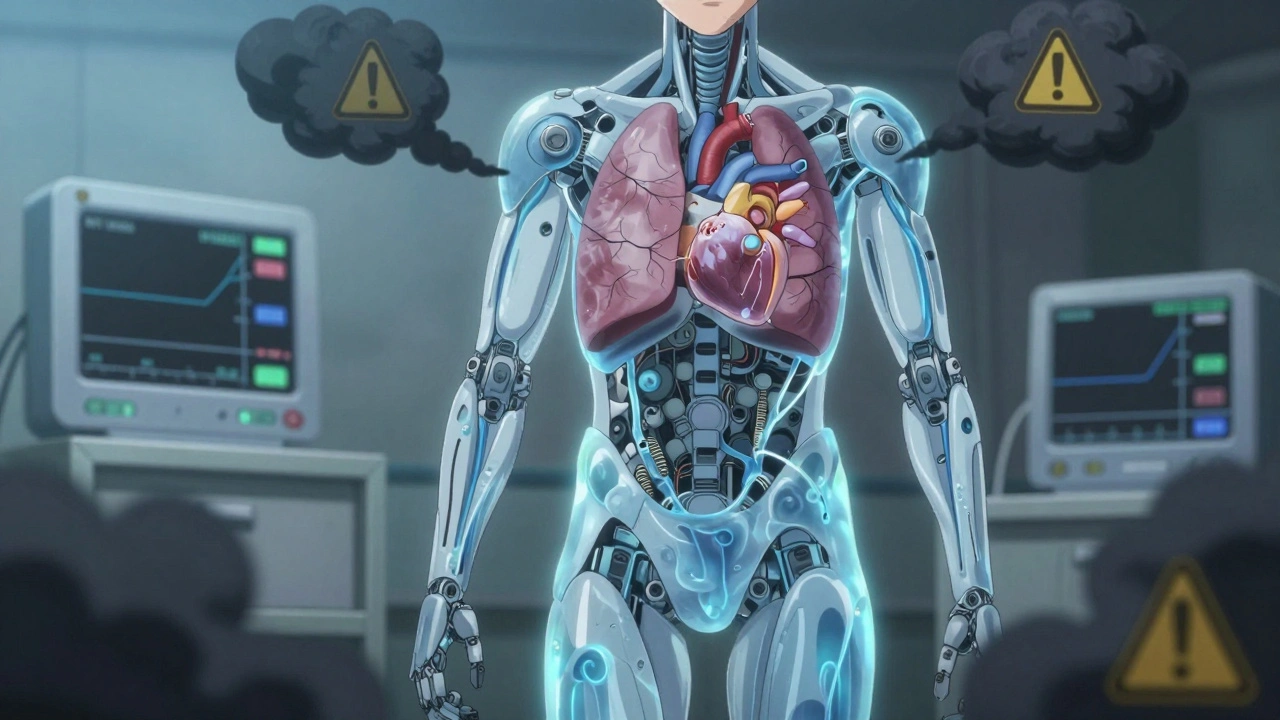
Pioglitazone Safety: Heart Failure, Edema, and Bladder Risks Explained
Pioglitazone (ACTOS) helps control blood sugar but carries serious risks including heart failure, fluid retention, and bladder cancer. Learn who should avoid it, what symptoms to watch for, and safer alternatives available in 2025.