Heart Failure Risk: What Increases It and How to Reduce It
When we talk about heart failure risk, the likelihood that the heart can’t pump blood effectively enough to meet the body’s needs. It’s not a single event—it’s the slow buildup of strain, damage, and wear that leaves the heart struggling. Many people think heart failure means the heart has stopped, but it’s really about the heart losing its strength over time. And the biggest triggers? High blood pressure, too much salt, uncontrolled diabetes, and some medications that add stress instead of relief.
Take sodium intake, the amount of salt consumed daily, which directly affects fluid balance and heart workload. If you’re on blood pressure meds, eating salty foods can make those pills work half as well—sometimes worse. That’s not just a warning; it’s science. One study showed cutting salt was as effective as adding a second medication for some people. Then there’s diabetic neuropathy, nerve damage from high blood sugar that often hides behind numbness or tingling but quietly harms the heart’s rhythm and control. People with this condition are two to four times more likely to develop heart failure, even if their cholesterol looks fine.
And don’t overlook side effects from medications you’re already taking. Some drugs for pain, mood, or even sleep can quietly raise your heart failure risk by increasing fluid retention or altering heart rhythm. It’s not about avoiding meds—it’s about knowing which ones to watch. For example, if you’re on lithium or certain NSAIDs, your kidneys might hold onto more water than they should, which adds pressure on your heart. Even something as simple as mixing alcohol with sleep aids can lead to dangerous drops in blood pressure that stress the heart over time.
What ties all this together? It’s not genetics alone. It’s daily habits. It’s how you manage your blood pressure. It’s whether you know what’s in your OTC pain relievers. It’s how well you track your sugar levels. The posts below show real cases, real data, and real fixes—not theory. You’ll find out why some people on statins still get heart issues despite taking vitamin D, how heparin might affect your mood and heart rhythm, and why pharmacist concerns about generic substitutions aren’t just about cost—they’re about safety when your heart is already fragile. This isn’t about fear. It’s about control. And you have more power over your heart’s future than you think.
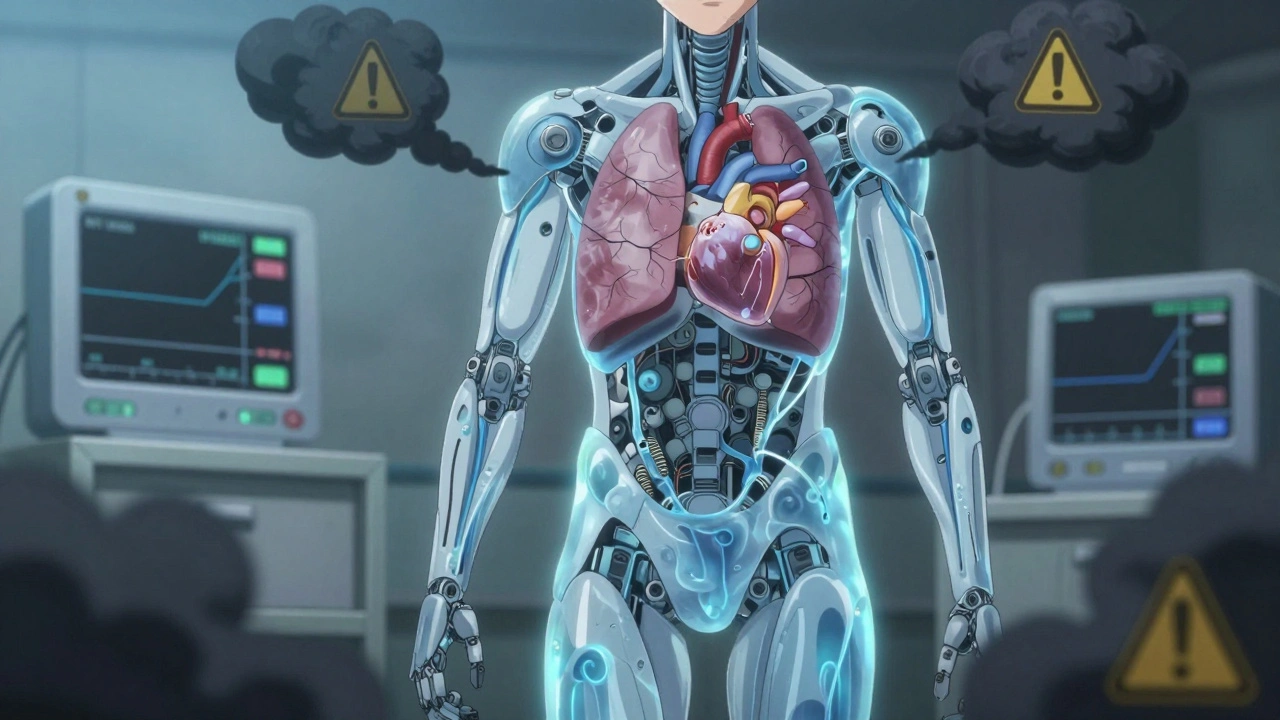
Pioglitazone Safety: Heart Failure, Edema, and Bladder Risks Explained
Pioglitazone (ACTOS) helps control blood sugar but carries serious risks including heart failure, fluid retention, and bladder cancer. Learn who should avoid it, what symptoms to watch for, and safer alternatives available in 2025.