Pioglitazone Edema: What You Need to Know About Swelling and Diabetes Meds
When you take pioglitazone, a thiazolidinedione medication used to improve insulin sensitivity in type 2 diabetes. Also known as Actos, it helps lower blood sugar—but it can also cause fluid retention, a buildup of excess fluid in body tissues that leads to swelling. This swelling, called edema, visible puffiness, often in the ankles, feet, or legs, is one of the most common reasons people stop taking pioglitazone.
Not everyone gets edema on pioglitazone, but if you’re over 65, have heart problems, or are already on insulin, your risk goes up. The drug works by making your body’s cells more responsive to insulin, but it also tricks your kidneys into holding onto sodium and water. That’s why you might wake up with puffy ankles or notice your shoes feel tighter. It’s not just cosmetic—fluid retention can worsen heart failure in people who already have it. The FDA even requires a black box warning on pioglitazone labels for this reason. If you’re taking it and notice sudden weight gain, shortness of breath, or swelling that doesn’t go down, talk to your doctor. Cutting salt helps, but it won’t fix the root cause.
Some people confuse pioglitazone edema with general water weight from eating too much carbs or salt. But this swelling is drug-induced, not lifestyle-related. It doesn’t always mean you need to quit the medication—but it does mean you need to monitor it closely. Your doctor might check your heart function, adjust your dose, or switch you to another diabetes drug like metformin or SGLT2 inhibitors, which don’t cause fluid retention. If you’re on insulin and pioglitazone together, the combo makes edema even more likely. That’s why many providers avoid using them together unless absolutely necessary.
You’ll find posts here that dig into how medications like pioglitazone interact with other drugs, why side effects like swelling happen at the cellular level, and how to tell if what you’re feeling is normal or dangerous. There’s also advice on tracking symptoms, communicating with your pharmacist, and understanding when to push back on a prescription. This isn’t about scare tactics—it’s about knowing what’s normal, what’s warning, and what to do next.
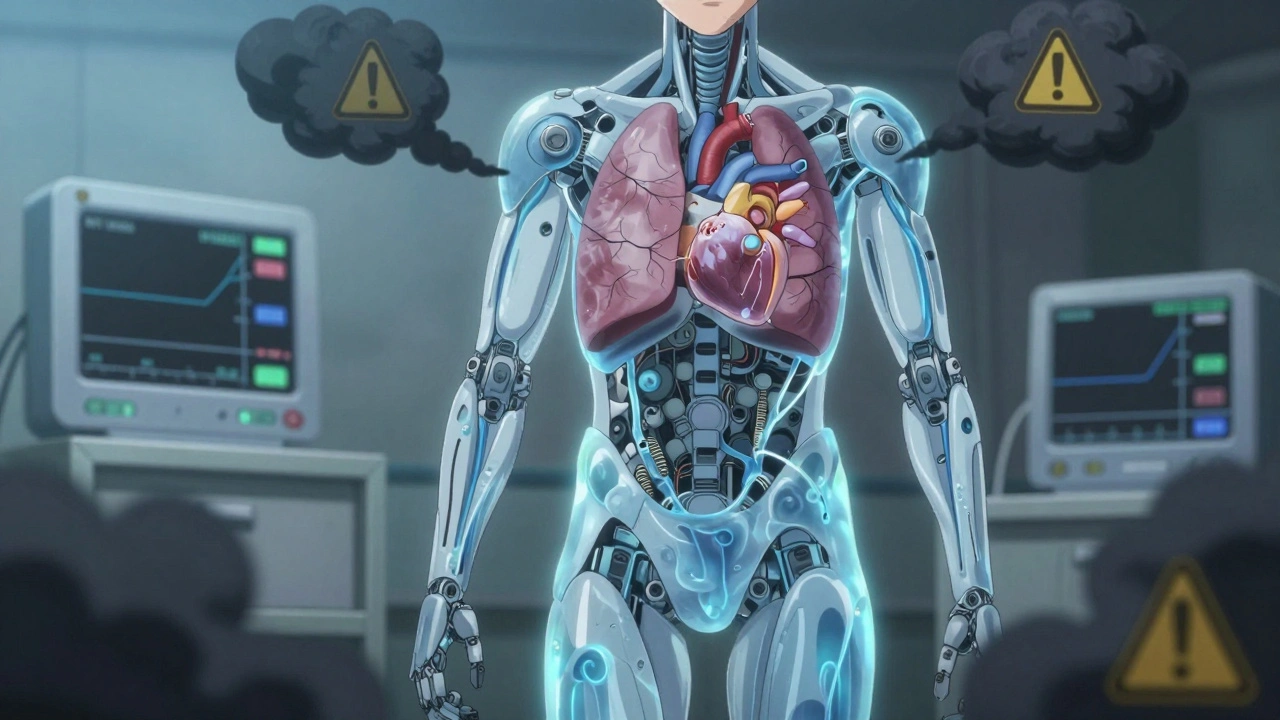
Pioglitazone Safety: Heart Failure, Edema, and Bladder Risks Explained
Pioglitazone (ACTOS) helps control blood sugar but carries serious risks including heart failure, fluid retention, and bladder cancer. Learn who should avoid it, what symptoms to watch for, and safer alternatives available in 2025.