Pioglitazone Safety: What You Need to Know About Risks and Side Effects
When you take pioglitazone, a thiazolidinedione drug used to lower blood sugar in type 2 diabetes. It works by making your body respond better to insulin, but it’s not without serious risks. The FDA has issued multiple warnings about this medication, especially around heart failure, bone fractures, and a possible link to bladder cancer, a rare but dangerous side effect tied to long-term use. If you’ve been on pioglitazone for more than a year, you need to know what signs to watch for—and why your doctor might be switching you to something else.
Not everyone reacts the same way. heart failure, a condition where the heart can’t pump blood effectively is a major red flag. Pioglitazone causes fluid retention, which can worsen existing heart problems or trigger new ones, especially in older adults or those with kidney issues. That’s why doctors check for swelling in the legs, sudden weight gain, or shortness of breath before and during treatment. bone fractures, particularly in women, are another well-documented risk. Studies show women on pioglitazone have up to a 50% higher chance of breaking bones in their arms, hands, or feet. If you’re postmenopausal or have low bone density, this isn’t just a footnote—it’s a dealbreaker.
There’s also the bladder cancer, risk that led to restrictions in Europe and warnings in the U.S.. While the absolute risk is low, it climbs with longer use—especially after three years—and in people with a history of bladder cancer or chronic urinary issues. The FDA doesn’t ban it outright, but they require doctors to screen patients and avoid it in high-risk groups. Many end up switching to metformin, SGLT2 inhibitors, or GLP-1 agonists, which are just as effective but carry fewer of these dangers.
What you won’t hear from every pharmacy is that pioglitazone is rarely a first choice anymore. It’s cheap, yes, but the safety trade-offs don’t make sense for most people. If you’re still on it, ask your doctor: Is this still the best option for me? Are there signs I should be watching for? What happens if I stop? You deserve to know the real trade-offs—not just the benefits. Below, you’ll find real posts from patients and providers who’ve dealt with these exact issues—from managing side effects to understanding when to walk away from a drug that’s no longer worth the risk.
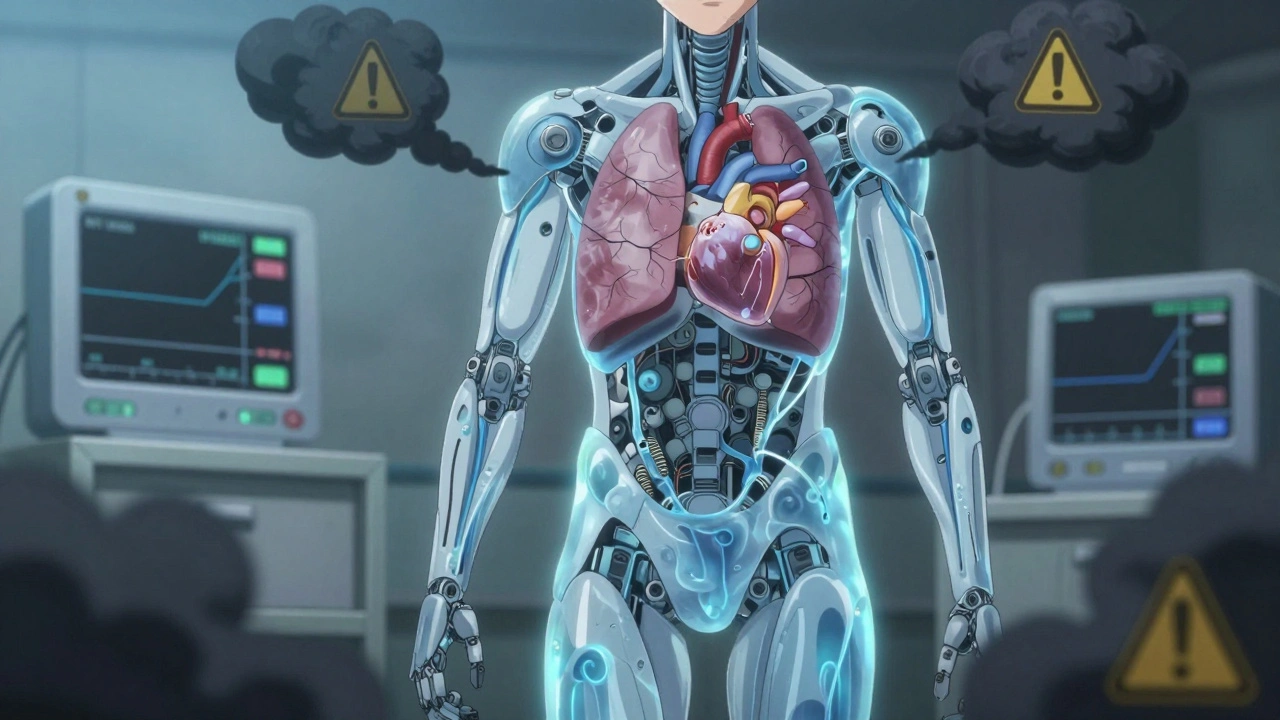
Pioglitazone Safety: Heart Failure, Edema, and Bladder Risks Explained
Pioglitazone (ACTOS) helps control blood sugar but carries serious risks including heart failure, fluid retention, and bladder cancer. Learn who should avoid it, what symptoms to watch for, and safer alternatives available in 2025.