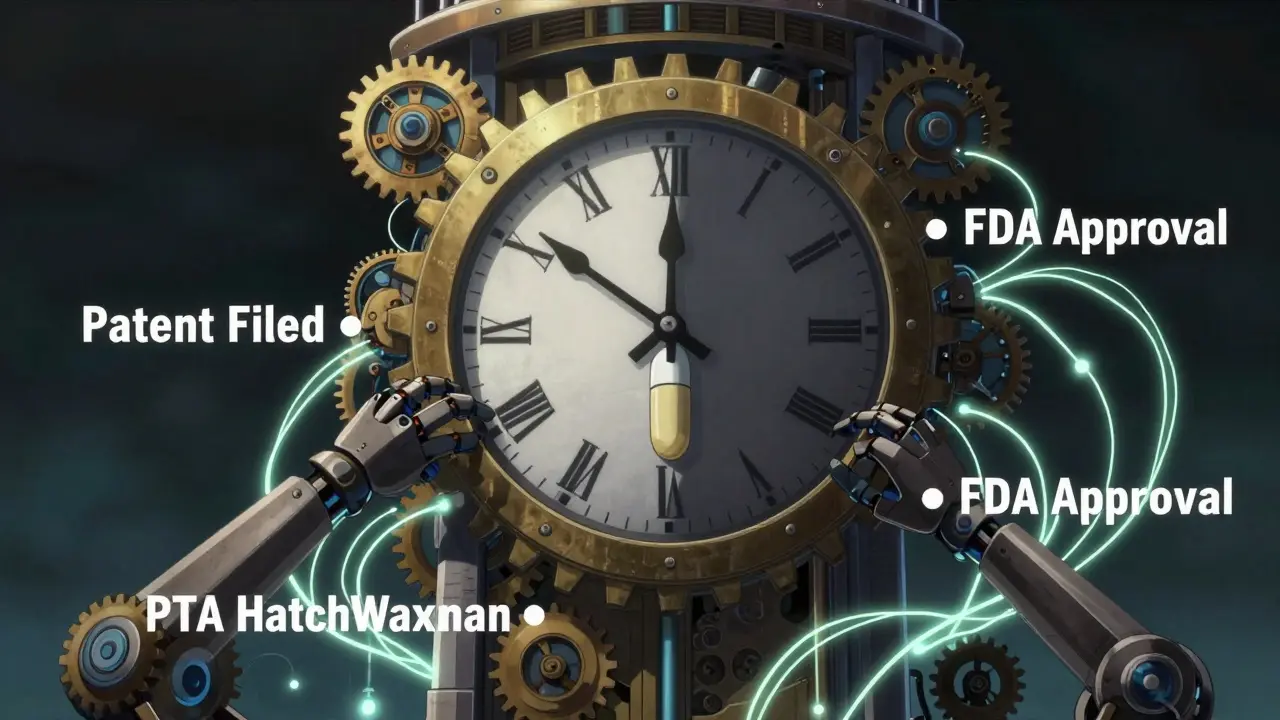
Most people assume that once a drug company gets a patent, they have 20 years of exclusive rights to sell it. That’s not how it works in real life. The 20-year patent term sounds straightforward, but by the time a drug actually hits the market, most of that time has already passed. In fact, many drugs only enjoy 7 to 12 years of real market exclusivity before generics can enter. If you’re wondering why your prescription suddenly costs a fraction of what it used to, the answer lies in how patent clocks tick-and how they’re manipulated.
How the 20-Year Patent Term Actually Works
The U.S. patent system gives drug companies 20 years of protection from the date they first file their patent application. This rule, set by the Uruguay Round Agreements Act in 1994, aligns the U.S. with global standards. But here’s the catch: this clock starts ticking the moment the application is filed, not when the drug is approved. And that’s where things get complicated.
Drug development isn’t quick. It takes an average of 8 to 10 years just to complete clinical trials and get approval from the FDA. That means if a company files a patent in year one of research, they’ve already used up half their patent life before the drug even hits shelves. By the time the drug becomes available to patients, the clock is already halfway to zero.
For example, a drug filed for patent protection in 2010 might not get FDA approval until 2018. That leaves only 12 years on the patent clock-minus time spent waiting for the patent office to review the application. So even though the patent says "20 years," the actual time the company can sell it without competition is often less than half that.
Patent Term Adjustment: Making Up for Government Delays
The U.S. Patent and Trademark Office (USPTO) doesn’t always move fast. If they take longer than 14 months to issue the first review, or more than three years to grant the patent, the law says the company gets extra time added to their patent term. This is called Patent Term Adjustment (PTA).
PTA can add anywhere from a few months to over five years, depending on how slow the patent office was. But here’s the twist: if the drug company itself causes delays-like taking too long to respond to office actions-that time doesn’t count. It’s a balancing act. The system is designed to compensate for government slowness, not company inefficiency.
In 2023, the average PTA for pharmaceutical patents was about 2.7 years. That means a drug with a 20-year patent might end up with 22.7 years of protection. But even that’s not the full story.
Patent Term Extension: The Hatch-Waxman Lifeline
The real game-changer is the Hatch-Waxman Act of 1984. This law lets drug companies apply for an extra period of protection to make up for time lost during FDA review. They can get up to five additional years, but there’s a hard cap: the total market exclusivity can’t exceed 14 years from the date of FDA approval.
This is where timing becomes critical. The company has just 60 days after FDA approval to file for this extension. Miss that window, and they lose it forever. Many companies lose out simply because their legal teams don’t coordinate well with regulatory teams.
Take the drug Spinraza, used to treat spinal muscular atrophy. Its main patent was filed in 2010, but it didn’t get FDA approval until 2016. Thanks to a 4.5-year patent term extension, its protection now runs through 2030. Without that extension, generics could have entered as early as 2021.
More Than One Patent: The Layered Defense
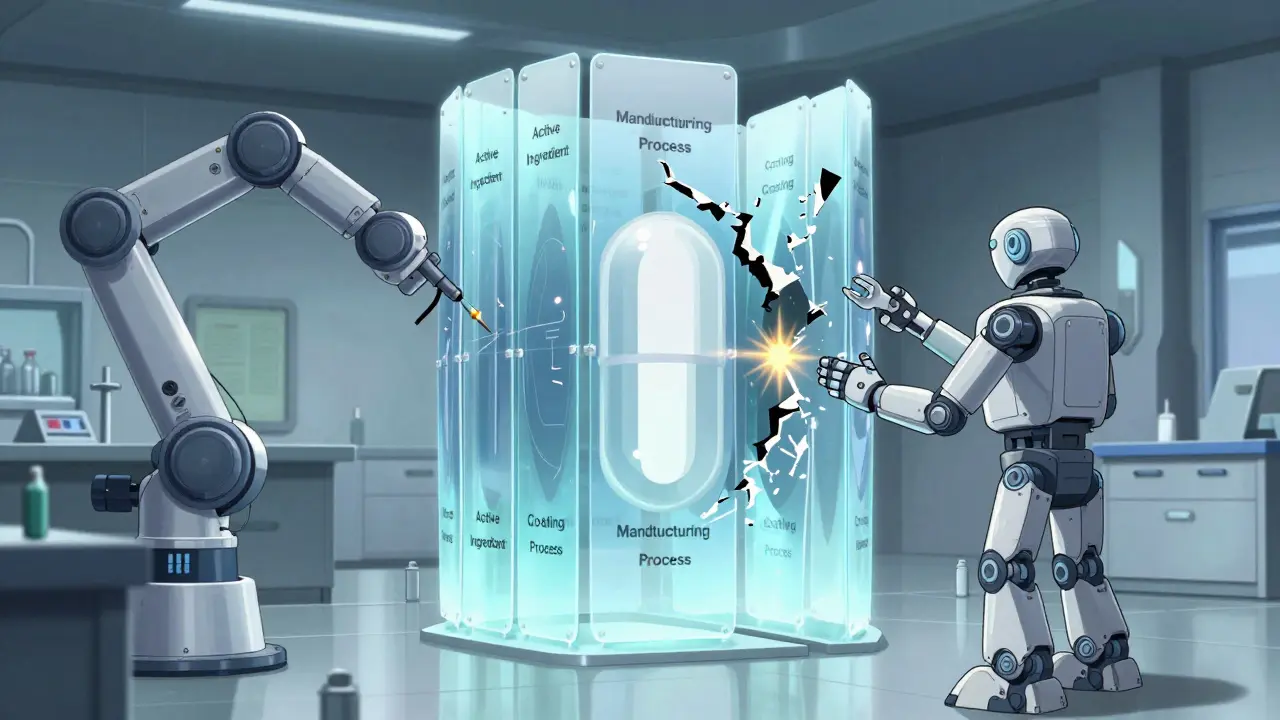
Drug companies don’t rely on just one patent. They build a whole wall of them. A single drug might have:
- A patent on the active ingredient
- A patent on the specific tablet coating
- A patent on the manufacturing process
- A patent on how it’s used (e.g., for treating a new condition)
Each of these has its own 20-year clock, starting from the date it was filed. So even if the main ingredient patent expires, another one might still be active. This is called "patent thickets"-a strategy to delay generic competition.
The FTC has documented cases where companies file minor patents on delivery methods or dosage forms just to extend protection. In some cases, this has pushed generic entry back by 2 to 3 years. The drug Humira, for example, had 137 patents covering different aspects of its use and formulation, delaying generics until 2023-more than 20 years after the original patent was filed.
Regulatory Exclusivity: Extra Layers of Protection
Patents aren’t the only thing blocking generics. The FDA also grants exclusivity periods that are separate from patents. These are automatic and don’t require filing:
- New Chemical Entity (NCE) exclusivity: 5 years. During this time, the FDA can’t even accept an application for a generic version.
- Orphan Drug exclusivity: 7 years for drugs treating rare diseases (fewer than 200,000 patients in the U.S.).
- New Clinical Investigation exclusivity: 3 years for new uses, doses, or formulations that require new clinical studies.
- Pediatric exclusivity: 6 months added to any existing patent or exclusivity period if the company does requested pediatric studies.
These exclusivity periods can stack. A drug might have 5 years of NCE exclusivity, then 6 more months of pediatric exclusivity, and still have 7 years left on its patent. That means no generic can enter for 12 years-even if the patent technically expired earlier.
The Patent Cliff: What Happens When the Clock Runs Out
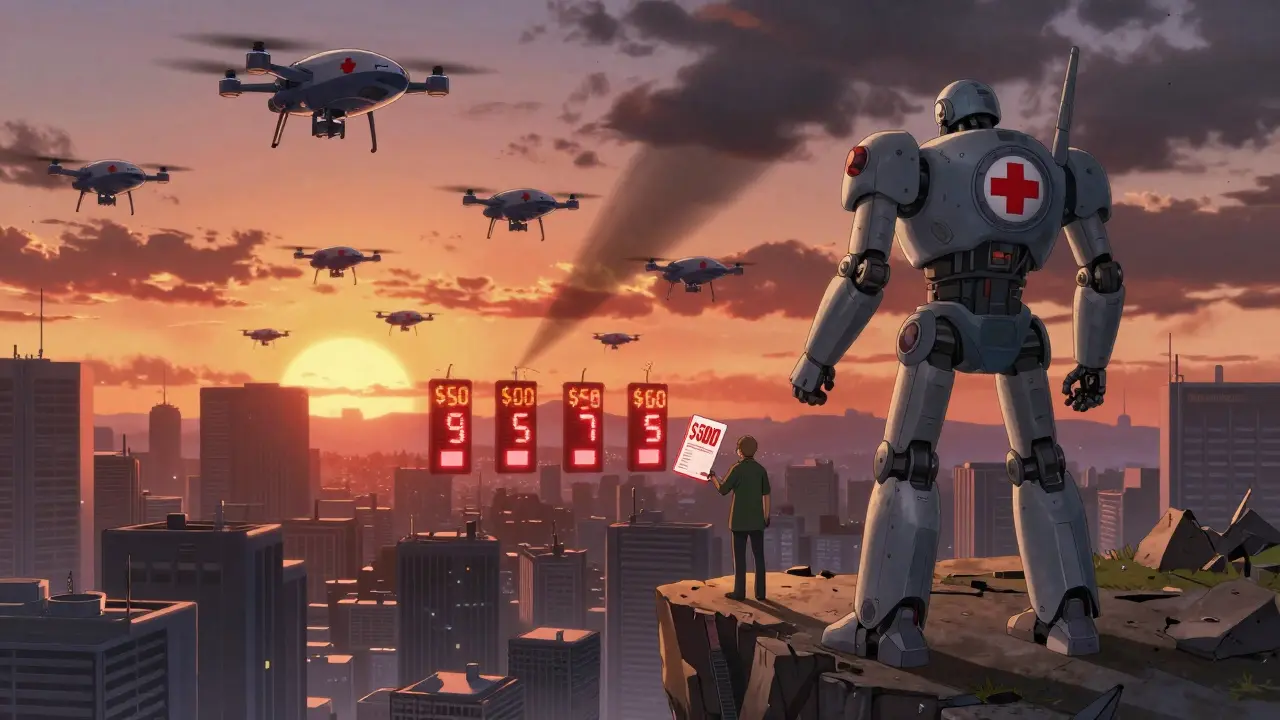
The moment the last patent or exclusivity period expires, it’s called the "patent cliff." This is when generic manufacturers rush in with cheaper versions. The drop in price is dramatic.
After Eliquis (apixaban) lost its patent in late 2022, generic versions captured 35% of the market within six months. Within a year, the average wholesale price dropped by 62%. By 18 months, generic versions made up over 90% of prescriptions.
But it’s not always that fast. Biologics-drugs made from living cells like Humira or Enbrel-face slower generic entry because biosimilars are harder to copy. They typically take 2 to 3 years to gain 40-60% market share.
And here’s something most patients don’t realize: sometimes, the switch to generics doesn’t mean lower out-of-pocket costs right away. Insurance companies sometimes delay switching to generics, or even set higher copays during the transition. One patient reported their copay jumped from $50 to $200 during the 6-month pediatric exclusivity extension period-even though the patent had expired.
Global Differences: It’s Not Just the U.S.
The U.S. system is complex, but it’s not unique. Japan uses a different method: they calculate patent expiration based on the later of five years after filing or three years after requesting examination. That means some drugs there get more protection than in the U.S.
In Europe, the patent term is still 20 years, but they offer a Supplementary Protection Certificate (SPC) that adds up to 5 years, similar to PTE. But unlike the U.S., they don’t have the same level of litigation delays or 30-month stays.
That’s why a drug might lose patent protection in the U.S. in 2027 but still be protected in Germany until 2030. Companies time their global launches based on these differences.
What’s Changing Now?
In February 2024, Congress introduced the "Restoring the America Invents Act," which could eliminate certain patent term adjustments. If passed, it would cut average market exclusivity by 6 to 9 months.
The USPTO is also rolling out automated systems to calculate PTA faster-set to launch in late 2024. This could reduce delays in patent grants, but it might also mean less PTA time added later.
Meanwhile, companies are turning to combo drugs-like combining two active ingredients in one pill-to extend protection. AstraZeneca’s Tagrisso, for example, has patent protection through 2033 even though its original compound patent expires in 2026. That’s because they added new formulations and uses.
What This Means for You
If you’re a patient, understanding patent timelines helps you anticipate when your drug might get cheaper. If you’re on a brand-name drug, check its patent status. Many drugs lose protection between 2025 and 2028. The biggest wave of expirations is happening now.
If you’re a caregiver or pharmacist, know that insurance companies don’t always switch to generics immediately. Sometimes, they wait for the 6-month pediatric extension to end. Ask your pharmacy if a generic is available-even if your doctor hasn’t switched you yet.
And if you’re following the news about drug prices, remember: it’s not just about greed. It’s about a 20-year clock that started ticking before the drug was even tested on humans-and a system designed to balance innovation with access. The real question isn’t whether patents expire. It’s whether the system still works.
How long does a drug patent last in the U.S.?
The standard patent term is 20 years from the date the patent application is filed. But because drug development takes 8-10 years before FDA approval, most drugs only have 7-12 years of actual market exclusivity. Additional extensions from the Hatch-Waxman Act and Patent Term Adjustment can add up to 5 more years, but total market exclusivity can’t exceed 14 years from FDA approval.
Can a drug patent expire before the drug is approved?
Yes. If a company files a patent early in development and the FDA approval process takes longer than 20 years from filing, the patent could expire before the drug even reaches the market. That’s why companies time their filings carefully and rely on Patent Term Adjustment and Patent Term Extension to recover lost time.
Why do some drugs have generics so soon after approval while others take years?
It depends on patent thickets, regulatory exclusivity, and litigation. Drugs with a single patent and no exclusivity (like some older generics) face immediate competition. But drugs with multiple patents, pediatric exclusivity, or orphan status can block generics for over a decade. Also, if a generic company challenges a patent and the brand company sues, the FDA can delay approval for up to 30 months.
Do biosimilars follow the same expiration rules as generics?
No. Biosimilars are for biologic drugs-complex proteins made from living cells. They face longer approval times and higher costs, so they enter the market slower. While small-molecule generics can capture 90% of the market in 18 months, biosimilars typically take 3-5 years to reach 40-60% share. They also face separate patent protections and exclusivity periods.
What’s the difference between a patent and regulatory exclusivity?
A patent is a legal right granted by the USPTO that prevents others from making, using, or selling the invention. Regulatory exclusivity is granted by the FDA and blocks generics from even applying for approval during that time, regardless of patents. A drug can have both, and they run at the same time. Exclusivity doesn’t require a lawsuit-it’s automatic.
Is there a way to find out when a specific drug’s patent expires?
Yes. The FDA’s Orange Book lists all patents associated with approved drugs and their expiration dates. It’s publicly available online. You can search by drug name and see exactly which patents are active, their expiration dates, and whether exclusivity periods apply. Many patient advocacy groups and pharmacy websites also track this data.

APRIL HARRINGTON
I just got my prescription for Humira and my copay went from $10 to $200 overnight even though the patent "expired" lol. Insurance companies are the real villains here. They wait until the last possible second to switch you to generics so they can milk you for every dime. Why do we even have insurance if it doesn't help us when we need it? 😤
Mantooth Lehto
This is why I stopped trusting big pharma. They file patents before the drug even exists and then stretch it out with 137 tiny patents like it's some kind of game. Humira's 20-year monopoly? More like 30 years of corporate greed. And don't even get me started on the pediatric extension loophole. 🤢
Melba Miller
The U.S. system is a joke. We pay more for drugs than any other country because we let corporations game the system. Europe and Japan have better rules. They don't let companies pile on 5-year extensions like they're hoarding gold. We need to stop treating medicine like a profit center and start treating it like a human right. This isn't capitalism-it's exploitation.
Katy Shamitz
I feel so bad for people who can't afford their meds. I used to be on a brand-name drug and when the generic finally came out, I cried. Not because I was sad-I was relieved. I could finally breathe again. But so many people don't get that chance. We need to fix this. It's not just about money. It's about dignity.
Nicholas Gama
Patent thickets are just legal fraud. The whole system is rigged. Pharma lobbyists write the laws. Congress is bought. FDA is a revolving door. It's not a coincidence that the same people who run the agencies end up on pharma boards. This isn't broken. It's designed this way.
Mary Beth Brook
NCE exclusivity + PTA + PTE + pediatric extension = 14-year market lock. That's the math. And the FTC data shows 87% of drugs with >10 patents had delayed generic entry. This isn't innovation-it's litigation arbitrage. We need structural reform, not band-aids.
Neeti Rustagi
I am deeply concerned about the ethical implications of this system. As a healthcare professional from India, I witness daily how patients struggle to access life-saving medications due to inflated pricing. The disparity between developed and developing nations is not merely economic-it is moral. We must advocate for equitable access.
Dan Mayer
I think the real issue is that people dont understand how patents work. Its not like a car patent where you just make the same thing. Drugs are complex. But yeah, the 20 year thing is misleading. I read this article and my brain hurt. 🤯
Janelle Pearl
I work with patients who rely on these drugs every day. I’ve seen the fear in their eyes when they hear "patent expires"-they think it means the medicine will disappear. But it’s the opposite. It means hope. I wish more people understood how much this affects real lives. Thank you for writing this. It matters.
Ray Foret Jr.
I didn't know about the 60-day window for Hatch-Waxman extensions. That's wild. Imagine missing that because your legal team was on vacation. 😅 But seriously, this is why we need better coordination in pharma. Also, biosimilars are going to be huge in the next 5 years. Mark my words.
Samantha Fierro
The complexity of this system is intentional. It was designed to protect innovation, but it has become a tool for monopolistic control. We must balance incentives for R&D with equitable access. Policymakers must act with urgency-not rhetoric. Patients deserve more than bureaucratic loopholes.
Robert Bliss
I just learned all this from this post and honestly? Mind blown. I always thought generics were just "copycat" drugs. Turns out they're the only thing keeping people alive. 🙏 Thanks for breaking it down. I'm gonna share this with my family.
Peter Kovac
The data shows that 78% of drug spending occurs in the first 5 years post-launch. This suggests the 20-year patent is not the primary driver of revenue. The real issue is pricing strategy, not patent length. The system works as intended-for shareholders.
Stephen Rudd
You're all missing the point. The real problem is that Americans expect free medicine. If you want innovation, you pay for it. Europe gets cheap drugs because they free-ride on U.S. R&D. Stop pretending this is about ethics. It's about economics. And we're winning.
Erica Santos
So let me get this straight. A drug is patented before it's even tested, then the company delays FDA approval on purpose to extend exclusivity, then they sue any generic that shows up, and we call this "innovation"? Wow. I didn't know we were living in a corporate dystopia. Guess I should've watched more Black Mirror.