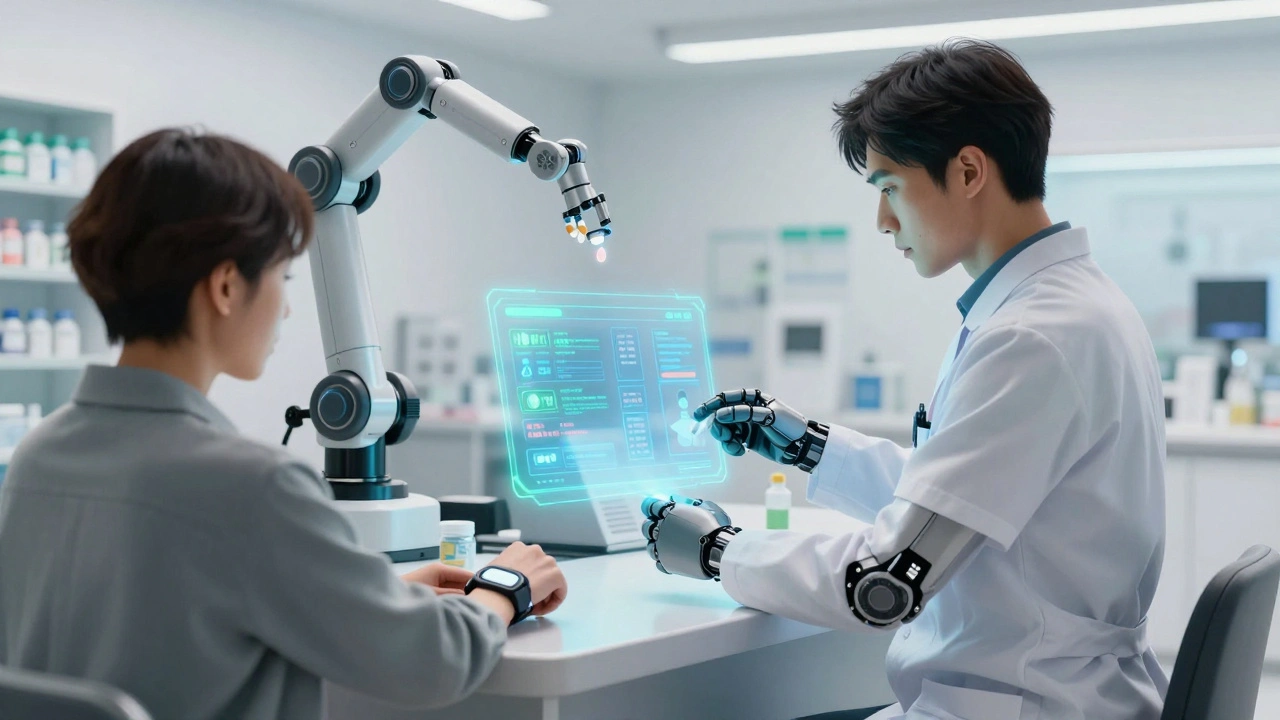
Imagine this: your doctor prescribes a new medication. You walk into your local pharmacy, and the pharmacist already knows about your kidney condition, your allergy to penicillin, and the blood thinner you took last month-even though your doctor didn’t mention it. That’s not magic. It’s EHR integration at work.
For years, pharmacies and doctors have operated in separate worlds. Doctors write prescriptions. Pharmacists fill them. But what happens in between? Too often, nothing. No real-time updates. No alerts. No shared history. That’s changing. EHR integration is finally connecting the dots between prescribers and dispensers, and the results are saving lives.
What EHR Integration Actually Does for Prescriptions
EHR integration means your doctor’s electronic health record talks directly to your pharmacy’s system. Not just sending a prescription. Not just checking if the drug is covered. But sharing your full medical picture: lab results, past reactions, other meds, even notes from specialists.
When a doctor sends a new prescription, the pharmacy system doesn’t just see the drug name and dose. It sees your history of falls, your recent hospital discharge, your diabetes meds, your liver function tests. That’s how a pharmacist catches a dangerous interaction before you even leave the counter.
The technical backbone? Two standards working together. The NCPDP SCRIPT standard handles the actual prescription transmission-like a digital version of a handwritten note. But the real power comes from HL7 FHIR Release 4, which lets systems exchange richer data: lab values, allergies, care plans, even your medication adherence history. This isn’t just about sending a prescription. It’s about sharing context.
Why This Matters More Than You Think
Medication errors kill over 250,000 people in the U.S. every year. That’s more than car accidents. And most of those errors happen because someone didn’t know the full picture.
With EHR integration, pharmacists can spot problems in seconds. A 2020 study from the University of Wisconsin found pharmacists with access to EHR data identify 4.2 medication-related problems per patient visit. Without access? Just 1.7. That’s more than double the interventions.
And it’s not just about catching mistakes. It’s about preventing them. One study showed a 48% drop in medication errors when systems were integrated. Another found a 31% reduction in hospital readmissions because pharmacists could adjust meds before things went wrong.
In Australia, the My Health Record system cut preventable hospitalizations by 27% just by giving providers access to a patient’s full medication list. That’s not theoretical. That’s happening now.
The Real-World Impact: Numbers That Speak
Let’s get specific. Here’s what EHR integration actually delivers:
- 63% faster prescription processing-down from 15 minutes to under 6 minutes per script
- 23% improvement in patients taking their meds as prescribed
- $1,250 saved per patient annually through better medication management
- Medication therapy management time cut from 45 minutes to 22 minutes per patient
- 92% acceptance rate by doctors when pharmacists suggest changes through integrated systems
These aren’t guesses. They come from real studies-EnlivenHealth’s pilot in Tennessee, the University of Wisconsin’s analysis, the Australian Digital Health Agency’s reports. When systems talk, outcomes improve.
One pharmacist in Tennessee reported that before integration, she spent hours calling doctors to clarify prescriptions. After? She got real-time updates. One day, she saw a patient’s new blood pressure meds conflicting with their heart failure drug. She flagged it. The doctor changed the script. The patient avoided a hospital trip. That’s the kind of thing that happens every day when EHRs connect.
Why Isn’t Everyone Using It Yet?
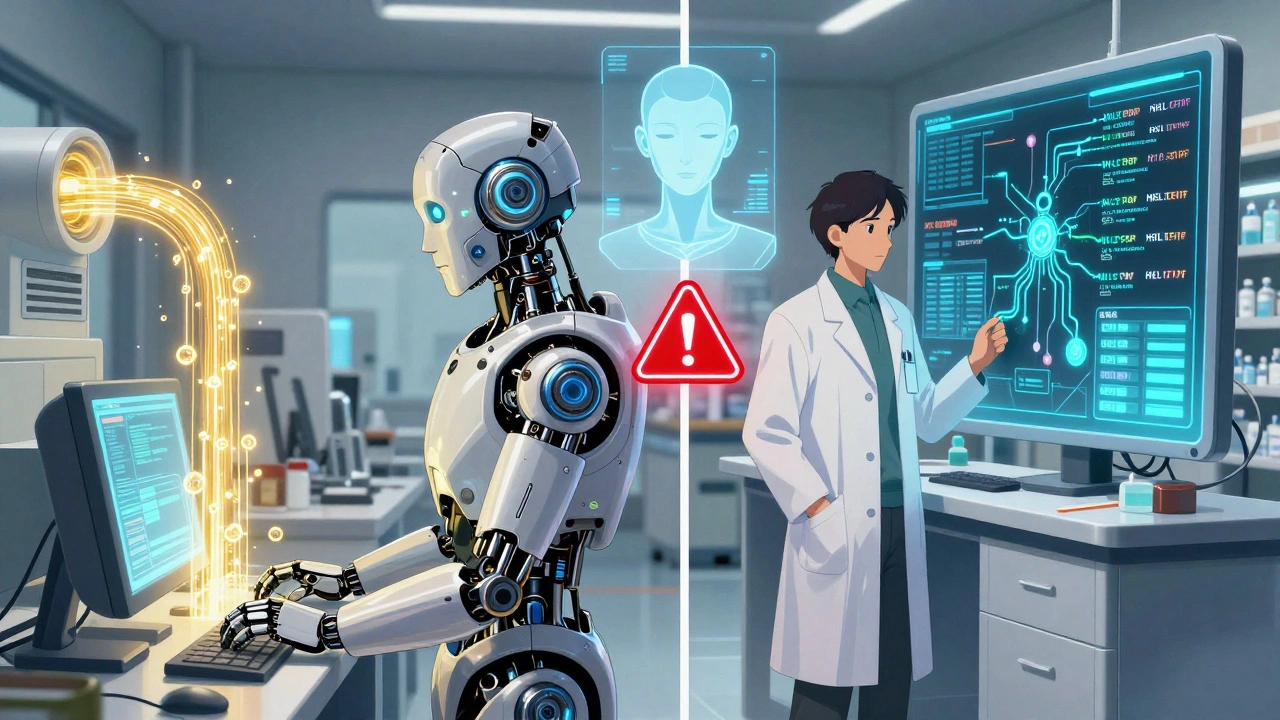
If it’s this good, why do only 15-20% of U.S. pharmacies have full bidirectional integration? The answer is messy, and it’s not about technology.
Cost is the biggest wall. Independent pharmacies face $15,000 to $50,000 just to get started. Then $5,000 to $15,000 a year to keep it running. For a small shop, that’s more than a new cash register or a year’s rent.
Time is another killer. Pharmacists average just 2.1 minutes per patient. Even if they have access to EHR data, they don’t have time to dig through it. One survey found 68% of pharmacists feel overwhelmed trying to use the system during busy hours.
Reimbursement is the silent blocker. In 48 states, pharmacists can legally prescribe. But in only 19 states can they get paid for the extra work that comes with EHR access-like reviewing meds, adjusting doses, or coordinating care. Why invest time and money if no one pays you for it?
And then there’s the technical mess. There are over 120 different EHR systems and 50 pharmacy software platforms. They don’t all speak the same language. Data mapping errors are common. One pharmacy reported spending 40 hours just getting one lab value to show up correctly.
Who’s Leading the Way?
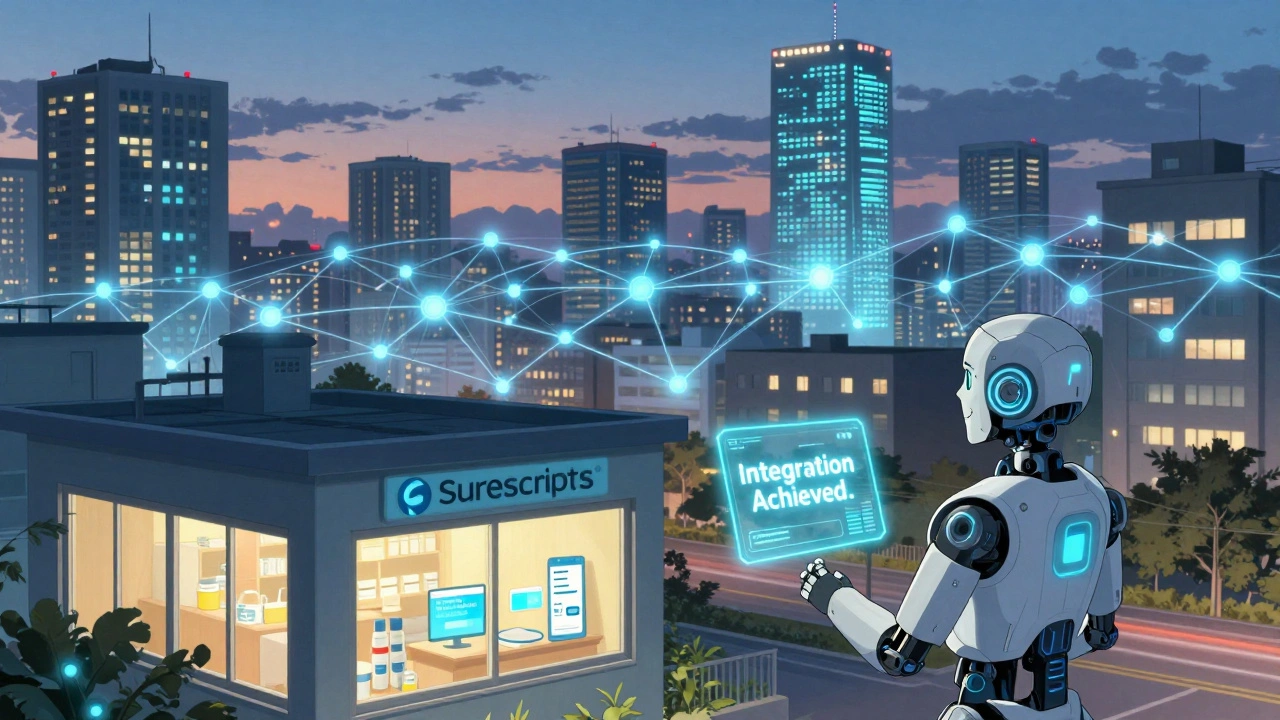
Big players are pushing this forward. Surescripts processes over 22 billion transactions a year. They connect pharmacies to doctors, insurers, and labs. Their Medication History service covers 97% of U.S. pharmacies. But even they can’t fix everything.
SmartClinix and DocStation are pharmacy-specific platforms built for integration. SmartClinix, for example, connects directly with Epic and Cerner. Pharmacists using it say it’s powerful-but the learning curve is steep. DocStation helps with billing and provider networks but lacks features for specialty meds.
Health systems? They’re ahead. 89% of hospital-affiliated pharmacies have full EHR access. Independent pharmacies? Only 12%. The gap isn’t just about tech. It’s about resources, scale, and leverage.
What’s Changing in 2025?
Pressure is building. The 21st Century Cures Act bans information blocking-meaning providers can’t legally withhold data from pharmacies anymore. CMS now requires Medicare Part D plans to integrate medication therapy management by 2025. California’s SB 1115 mandates EHR integration for MTM services by 2026.
And the tech is getting smarter. The NCPDP is rolling out PeCP Version 2.0 in late 2024, adding AI-powered alerts for drug interactions and adherence risks. CVS and Walgreens are testing machine learning tools that scan integrated data to flag high-risk patients before they even call the pharmacy.
There’s also new hope for payment. H.R. 5827, the Pharmacy and Medically Underserved Areas Enhancement Act, is gaining bipartisan support. If passed, it would let pharmacists bill Medicare for EHR-supported care-finally making integration financially viable for small shops.
What This Means for You
If you’re a patient: ask your pharmacist if they can see your full medical record. If they can’t, ask why. You deserve to know that every med you take has been checked against everything else you’re on.
If you’re a pharmacist: start small. Use Surescripts’ Medication History tool-it’s free for most pharmacies. See what data comes through. Talk to your local clinics. Build relationships. Integration doesn’t have to be all-or-nothing.
If you’re a provider: don’t assume your EHR is enough. Ask your pharmacy partners what they need. Share your notes. Send alerts. The system only works if everyone participates.
This isn’t about digitizing paper. It’s about building a team. Your doctor, your pharmacist, your lab, your insurance-all connected. The technology exists. The proof is there. The only thing missing now is the will to make it standard, not optional.
What is EHR integration in pharmacy?
EHR integration in pharmacy means the electronic health record system used by doctors and clinics connects directly with the pharmacy’s software. This allows two-way sharing of patient data-like medication lists, allergies, lab results, and care plans-so pharmacists can make safer, smarter decisions when filling prescriptions.
How does EHR integration reduce medication errors?
By giving pharmacists real-time access to a patient’s full medical history, EHR integration lets them spot dangerous drug interactions, duplicate prescriptions, incorrect doses, or allergies that weren’t mentioned in the original prescription. Studies show this cuts medication errors by up to 48%.
Why don’t all pharmacies use EHR integration?
Cost is the biggest barrier-small pharmacies face $15,000-$50,000 to implement the system, plus $5,000-$15,000 yearly to maintain it. Time constraints, lack of reimbursement for pharmacist services, and incompatible software systems also make widespread adoption difficult.
What standards are used for EHR-pharmacy communication?
The NCPDP SCRIPT standard (version 2017071) handles electronic prescription transmission. For broader clinical data exchange-like lab results and care plans-HL7 FHIR Release 4 (R4) is used. Together, these standards allow secure, structured communication between systems.
Can patients access their own EHR data through pharmacies?
Yes, through systems like CARIN’s Blue Button 2.0, patients can now download their medication and claims data from insurers and share it directly with their pharmacy. This empowers patients to ensure their pharmacy has the most accurate, up-to-date record-even if their provider hasn’t synced yet.
Is EHR integration mandatory for pharmacies?
Not yet for all pharmacies, but it’s becoming required for Medicare Part D plans and in certain states like California by 2026. The 21st Century Cures Act also prohibits information blocking, meaning providers can’t legally refuse to share data with pharmacies that request it.
Next Steps for Pharmacies and Providers
If you’re a pharmacy owner, start with Surescripts’ free Medication History tool. It’s the easiest way to get basic data from EHRs without a big investment. Then talk to your local clinics. Build a partnership. Show them how better communication reduces their call volume and improves patient outcomes.
If you’re a clinic manager, don’t wait for the pharmacy to ask. Offer to share your EHR data. Include pharmacists in care coordination meetings. Their insights on medication adherence and side effects are invaluable.
The future of safe prescribing isn’t in better drugs. It’s in better communication. The tools are here. The data is there. The only thing left is to connect them.

John Biesecker
this is wild 🤯 i had no idea my pharmacist could see my whole medical history. last week i got a new blood pressure med and they caught that it clashed with my old one before i even left the counter. like... how is this not standard everywhere?? 😅
Genesis Rubi
USA still behind? lol. in germany our ehr system talks to every doc, pharmacy, and even the dentist. we don't waste time calling each other. you guys still use fax machines for prescriptions??
Doug Hawk
the real bottleneck isn't tech it's workflow. pharmacists are already drowning in 2.1 min per script. adding ehr data without streamlining the interface just adds cognitive load. fhir helps but if the ui is clunky and you're juggling 12 tabs while 8 people wait? it's not integration it's torture. we need ai triage filters before the data hits the screen.
John Morrow
The 48% reduction in medication errors cited is statistically significant but lacks contextual normalization. The sample sizes across the cited studies vary wildly - Wisconsin’s n=3,200 versus Tennessee’s n=117 - and no control for confounding variables like clinician experience or patient demographics is presented. Moreover, the $1,250 annual savings per patient assumes perfect adherence and zero system downtime, both of which are unrealistic in community pharmacy settings. This is solutionism dressed as evidence.
Kristen Yates
My grandma finally got her meds sorted after her pharmacy got connected. She didn't understand the tech, but she said the pharmacist remembered her pills without her having to repeat everything. That's all that matters.
Anthony Breakspear
yo this is the shit. imagine if every system just talked like humans instead of robots. i used to work at a pharmacy and spent half my day playing phone tag with docs. now? i get a ping. i flag the conflict. they hit approve in 3 mins. no drama. no yelling. just good care. we need this everywhere. stop making it a luxury and make it the baseline. 🙌
Zoe Bray
It is imperative to acknowledge that the implementation of bidirectional EHR-pharmacy integration must adhere strictly to HIPAA-compliant data governance protocols, particularly concerning the transmission of protected health information via HL7 FHIR R4 endpoints. Without standardized authentication frameworks and audit trail retention policies, even the most technically sophisticated system remains vulnerable to regulatory noncompliance and potential litigation.
John Biesecker
^^^ lol @ the jargon. i just know my grandma didn't go to the hospital last month because the pharmacist saw she was on 3 blood thinners. that's all i care about. 🙏