Home Care for Kids on Meds: What Parents Need to Know
When your child is on medication, home care for kids on meds, the daily routine of safely giving, storing, and monitoring medicines at home. Also known as pediatric medication management, it's not just about remembering the pill schedule—it’s about preventing accidents, spotting side effects, and knowing when to call the doctor. Kids aren’t small adults. Their bodies process drugs differently, and even a tiny bit too much can cause serious harm. A common mistake? Giving two medicines with the same active ingredient—like giving both a cold syrup and a pain reliever that both contain acetaminophen, a widely used pain and fever reducer found in dozens of over-the-counter products. Also known as paracetamol, it's safe when used right, but overdoses are the leading cause of acute liver failure in children. You might think you’re helping by doubling up, but you’re risking damage you can’t see until it’s too late.
over-the-counter drugs for kids, medicines sold without a prescription that parents often reach for without thinking twice. Also known as OTC pediatric meds, they’re everywhere—cabinet, purse, backpack. But labels lie. "Child-safe" doesn’t mean "no risk." The Drug Facts label, the standardized section on every OTC medicine that lists active ingredients, uses, warnings, and dosing. Also known as medication label, it’s your best tool to avoid doubling up or giving the wrong dose. If you’re not reading it, you’re guessing. And guessing with kids’ meds can lead to ER visits. One parent gave their 4-year-old a liquid cold medicine at night, then gave a separate nighttime sleep aid an hour later. Both had diphenhydramine. The child ended up in the hospital with a dangerously high heart rate. That’s not rare. It’s predictable. Storage matters too. Kids are curious. A bottle left on the counter looks like candy. A pill left on the nightstand? They’ll find it. Lock boxes aren’t optional—they’re essential.
Then there’s the question of timing. Some meds need food. Some must be taken on an empty stomach. Some work better in the morning. Some cause drowsiness and need to be given at bedtime. Missing a dose? Don’t double up. Call your pharmacist. They’re not just the people who hand out pills—they’re trained to help you avoid mistakes. And if your child is on more than one prescription? Ask for a medication list. Write it down. Keep it on your fridge. Show it to every new doctor. Kids on multiple meds are at higher risk for interactions, especially if you’re using supplements or herbal products without telling the doctor. Even something as simple as garlic supplement, a common natural remedy used for immune support. Also known as allicin supplement, it can thin the blood and interfere with certain heart or antibiotic meds. You wouldn’t skip telling your doctor about a prescription—don’t skip telling them about the stuff you think is "natural."
What you’re about to see in the posts below isn’t theory. It’s real-world guidance pulled from parents and professionals who’ve been there. You’ll find clear breakdowns of how to read medicine labels, what to do when your child misses a dose, how to tell if a side effect is normal or dangerous, and why some "safe" OTC drugs aren’t safe at all for kids. No fluff. No jargon. Just what you need to keep your child safe at home.
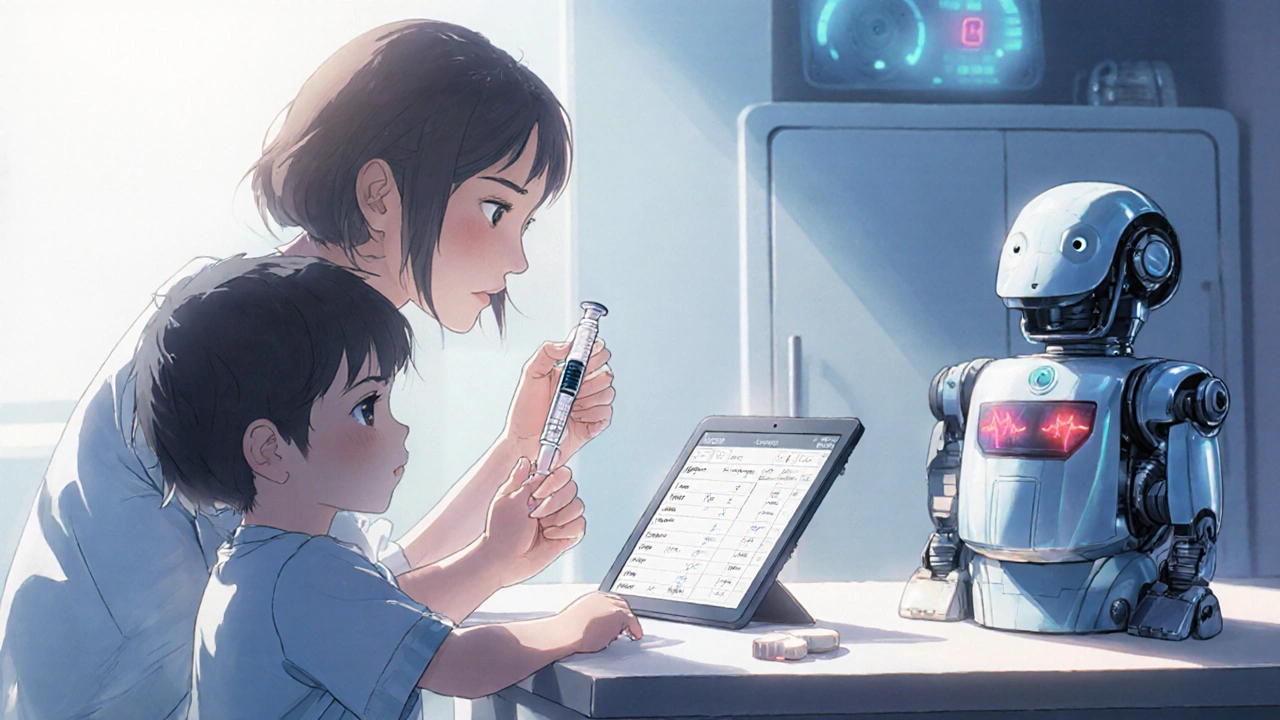
How to Manage Pediatric Medication Side Effects at Home
Learn how to safely manage common and serious side effects of pediatric medications at home, including dosing mistakes, allergic reactions, vomiting, and safe storage. Get practical tips backed by pediatric data.