Pediatric Medication Side Effects: What Parents Need to Know
When you give your child a medicine, you expect it to help—not hurt. But pediatric medication side effects, unintended reactions to drugs in children that range from mild to life-threatening. Also known as adverse drug reactions in kids, these can show up as rashes, stomach upset, drowsiness, or even sudden changes in behavior. Kids aren’t just small adults—their bodies process drugs differently. Their liver and kidneys are still developing, their weight changes fast, and their brains are more sensitive to certain chemicals. That’s why a dose that’s safe for you might cause problems for your 5-year-old.
Some common side effects in kids, frequent reactions to medications like antibiotics, ADHD drugs, or asthma inhalers. Also known as childhood drug responses, it includes things like diarrhea from antibiotics, trouble sleeping from stimulants, or increased appetite from steroids. Then there are rarer but serious ones: seizures from fever reducers, liver damage from acetaminophen overdose, or heart rhythm changes from certain cough syrups. The pediatric drug interactions, how one medicine affects another when taken together in children. Also known as drug-drug reactions in kids, are especially risky because parents often mix OTC meds without realizing the active ingredients overlap—like giving both a cold medicine and a pain reliever that both contain acetaminophen. And let’s not forget the emotional side: some kids get anxious, irritable, or even depressed on certain medications, especially those used for ADHD or depression. These aren’t just "side effects"—they’re signals your child’s body is reacting in ways you need to understand.
What you see on the label isn’t always the full story. Some side effects show up days later. Others only happen with long-term use. And sometimes, what looks like a behavioral issue is actually a reaction to a medication your child’s been on for weeks. That’s why keeping a simple log—what was given, when, and any changes in sleep, mood, appetite, or energy—is one of the most powerful tools you have. You’re not just a caregiver—you’re the first line of defense. The posts below give you real examples: what parents have seen, what doctors warn about, and how to spot trouble before it escalates. You’ll find clear comparisons, warning signs, and practical steps to take when something feels off. No fluff. Just what you need to protect your child.
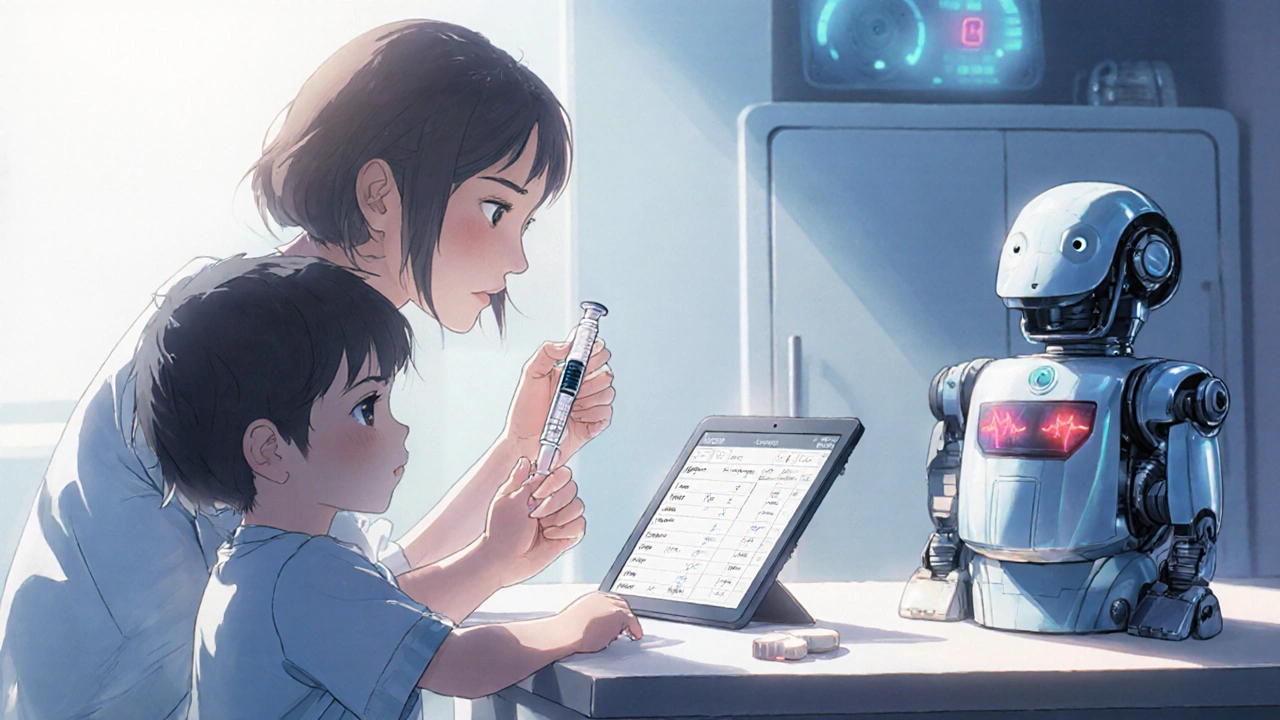
How to Manage Pediatric Medication Side Effects at Home
Learn how to safely manage common and serious side effects of pediatric medications at home, including dosing mistakes, allergic reactions, vomiting, and safe storage. Get practical tips backed by pediatric data.