Suicide Crisis Resources: Where to Turn When You Need Help Now
When you're in a suicide crisis, a state of intense emotional pain where ending your life feels like the only way out. It’s not a sign of weakness—it’s a signal that your mind is overwhelmed, and you need support right now. You’re not broken. You’re hurting. And help is closer than you think.
Crisis hotlines, 24/7 phone and text lines staffed by trained listeners who won’t judge or rush you. Also known as suicide prevention lifelines, these services are free, confidential, and available whether you’re alone in your room or in the middle of a panic attack. In the U.S., calling or texting 988 connects you to someone who’s been trained to sit with you in your darkest moment. No script. No pressure. Just a voice that says, ‘I’m here.’ These aren’t just numbers—they’re lifelines. And they work. People who reach out say the biggest relief isn’t getting advice—it’s being heard without fear.
Mental health support doesn’t always mean therapy appointments or medication. Sometimes it’s a friend who shows up with coffee. Sometimes it’s a text thread that keeps going for days. Sometimes it’s a website like this one, where real stories and practical tools are shared without fluff. Many of the posts here touch on how medications like heparin sodium or aripiprazole can affect mood, and how people manage side effects that make life harder. That’s part of the picture. But no pill fixes isolation. No prescription replaces human connection. That’s why knowing where to turn—right now—is just as important as what you take.
If you’re reading this because you’re scared, tired, or feel like no one understands—take a breath. You don’t have to fix everything today. You just have to reach out. One call. One text. One message. That’s enough. The people who answer these lines have heard every version of this story. They’ve stayed on the line with people who thought they were beyond saving. And they’re still here, waiting.
Below, you’ll find posts that don’t talk about suicide directly—but they do talk about the things that lead to it: the weight of chronic illness, the loneliness of mental health struggles, the confusion when meds don’t work the way they should. These stories aren’t just about drugs. They’re about people trying to survive. And if you’re one of them—you matter. You’re worth the help. And help is waiting.
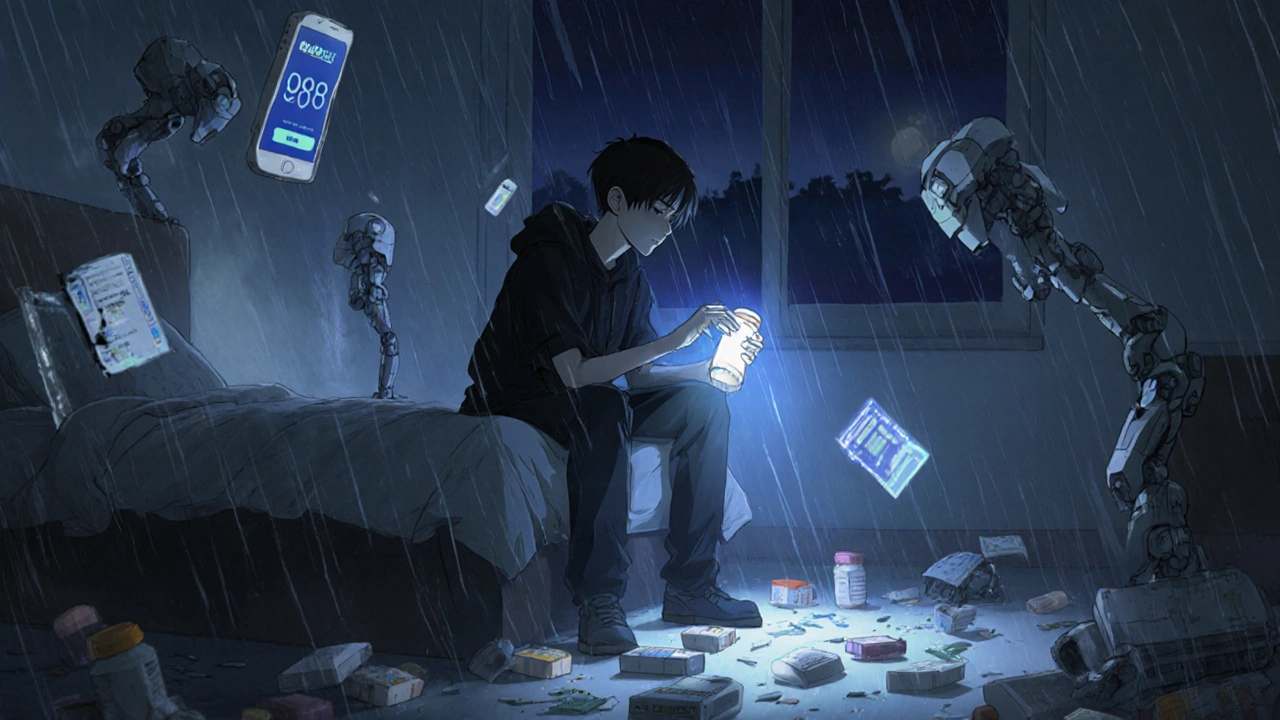
Intentional Overdose: Mental Health Support and Crisis Resources You Can Trust
Intentional overdose is a leading method of suicide, especially among teens and middle-aged adults. Learn how crisis resources like 988 and Crisis Text Line are saving lives-and why funding cuts could reverse progress.