Reduce Sodium: How Lowering Salt Intake Improves Heart Health and Blood Pressure
When you reduce sodium, you lower the amount of salt in your diet to support heart function and control blood pressure. This simple change isn’t about cutting out flavor—it’s about protecting your body from the hidden dangers of too much salt, which most people don’t even realize they’re consuming. High sodium levels force your kidneys to work harder, cause your body to hold onto water, and push your blood pressure up over time. That’s not just a number on a chart—it’s a direct risk to your heart, arteries, and brain. The American Heart Association says most adults should aim for less than 2,300 mg a day, and ideally under 1,500 mg if you have high blood pressure or other risk factors. Yet the average American eats over 3,400 mg daily. You don’t need a medical degree to start fixing this.
Blood pressure, the force of blood pushing against artery walls rises with every extra gram of sodium you take in. That’s why doctors push low sodium diet, a way of eating that cuts processed foods, canned goods, and salty snacks for people with hypertension. But it’s not just for those already diagnosed. Even if your numbers look fine now, eating less salt now means fewer problems later. It’s not magic—it’s physics. Sodium pulls water into your bloodstream. More water means more pressure. Less sodium means less strain on your heart and blood vessels. And you don’t have to go cold turkey. Start by swapping out one high-sodium item a week: canned soup for low-sodium broth, regular soy sauce for tamari, or salted nuts for unsalted. Small swaps add up.
Heart health, the overall condition of your cardiovascular system improves fast when you cut sodium. Studies show that people who lower their salt intake see measurable drops in blood pressure within weeks. That means less risk of stroke, heart attack, and kidney damage. And it’s not just about table salt. The real troublemakers are bread, deli meats, pizza, and frozen meals—foods you might think are harmless. Reading labels helps, but even better is cooking more at home. When you make your own meals, you control the salt. You also get to enjoy real flavor from herbs, garlic, lemon, and spices instead of relying on sodium to do the work.
Some people worry that cutting salt will make food taste bland. But your taste buds adapt. After a few weeks, you’ll start noticing how salty most packaged foods really are—and you’ll find you don’t miss it. You might even start liking the natural taste of vegetables, beans, and grilled chicken more than you ever did before. This isn’t a diet. It’s a long-term shift toward eating food that supports your body, not fights it.
Below, you’ll find real advice from people who’ve made this change, tips on reading labels, and how sodium interacts with medications like diuretics and lithium. Whether you’re managing a condition or just want to stay healthy, the path to better heart health starts with one simple step: reduce sodium.
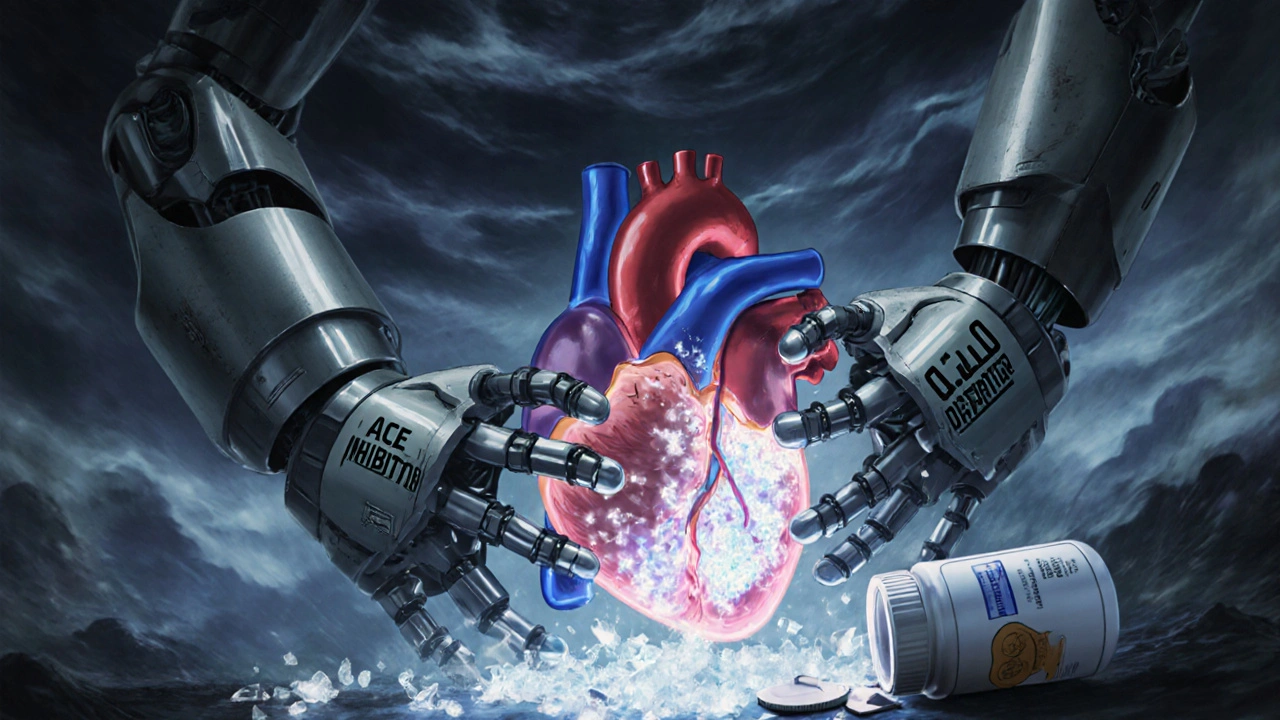
Salt and Blood Pressure Medications: How Sodium Lowers the Effectiveness of Your Prescriptions
Cutting salt can make your blood pressure meds work better - sometimes as well as adding another pill. Learn how sodium affects your treatment, which foods to avoid, and how to reduce intake safely.