Sodium Intake: What You Need to Know About Salt, Health, and Medications
When we talk about sodium intake, the amount of salt your body gets from food and drinks. Also known as dietary sodium, it’s not just about the shaker on your table—it’s in bread, canned soups, deli meats, and even breakfast cereal. Most people eat way more than they realize, and that extra salt doesn’t just make food taste better—it can push your blood pressure up, strain your heart, and make your kidneys work harder.
For people managing high blood pressure, a condition where force against artery walls is too high, cutting sodium isn’t optional. Studies show that reducing sodium by just 1,000 mg a day can lower systolic pressure by 5 to 6 points. That’s the same drop you might get from a mild blood pressure pill. And if you’re on medications like lithium, a mood stabilizer used for bipolar disorder, sodium levels matter even more. Too little or too much sodium can change how your body processes the drug, leading to dangerous side effects. Same goes for diuretics, water pills that help remove excess fluid—they work by flushing out sodium, so if you’re eating tons of salt, they lose their edge.
It’s not just about avoiding the salt shaker. Processed foods are the real problem. A single serving of frozen pizza can have more sodium than you’re supposed to eat in a whole day. Even foods labeled "low-fat" or "healthy" often pack in salt to make up for flavor. Reading labels isn’t optional—it’s survival. Look for "sodium" on the Nutrition Facts panel. Anything over 200 mg per serving adds up fast. And don’t trust terms like "natural" or "no added salt"—they’re marketing tricks, not health guarantees.
If you’ve got kidney function, how well your kidneys filter waste and balance fluids that’s already reduced, your doctor likely told you to watch sodium. Your kidneys can’t flush out the excess, so it builds up, swells your tissues, and raises your blood pressure even more. That’s why people on dialysis or with chronic kidney disease often have strict limits—sometimes under 1,500 mg a day. And if you’re taking NSAIDs, pain relievers like ibuprofen or naproxen, high sodium can make them harder on your kidneys, increasing risk of damage.
Here’s the good news: your taste buds adapt. After a few weeks of eating less salt, food starts tasting better—not bland, just more real. You’ll notice the sweetness in tomatoes, the earthiness in mushrooms, the depth in herbs. You don’t need to go cold turkey. Start by swapping one processed item a week for a whole-food version. Cook more at home. Rinse canned beans. Skip the instant noodles. Small steps add up.
What you’ll find in the posts below isn’t theory—it’s real advice from people who’ve been there. From how sodium interacts with lithium and blood thinners, to why fiber supplements and diuretics need careful timing, to how to read labels without getting overwhelmed—this collection cuts through the noise. No fluff. No guesswork. Just what you need to manage your sodium intake safely, whether you’re on meds, managing a condition, or just trying to feel better every day.
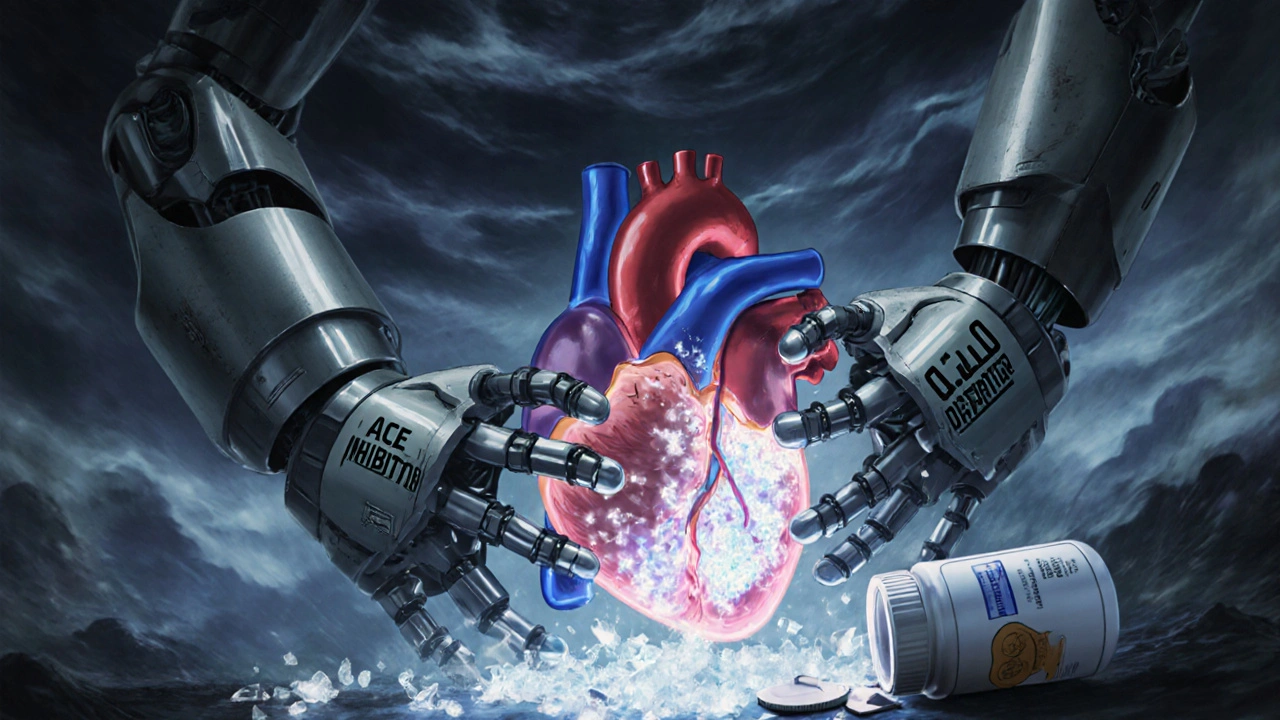
Salt and Blood Pressure Medications: How Sodium Lowers the Effectiveness of Your Prescriptions
Cutting salt can make your blood pressure meds work better - sometimes as well as adding another pill. Learn how sodium affects your treatment, which foods to avoid, and how to reduce intake safely.