Category: Health and Medicine - Page 7
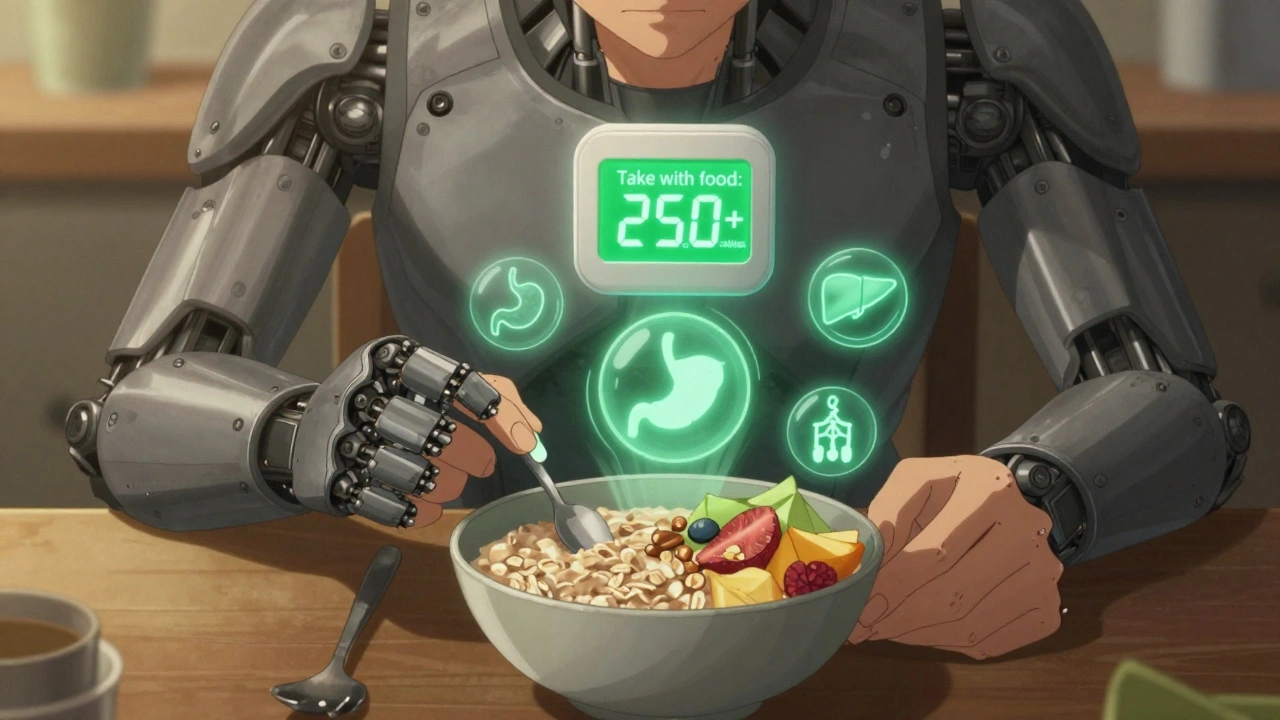
Taking Medication with Food: When and Why It Reduces Side Effects
Taking medication with food can reduce side effects, boost effectiveness, or cause dangerous interactions. Learn which drugs need food, which must be taken empty, and how grapefruit, calcium, and even coffee can change how your medicine works.
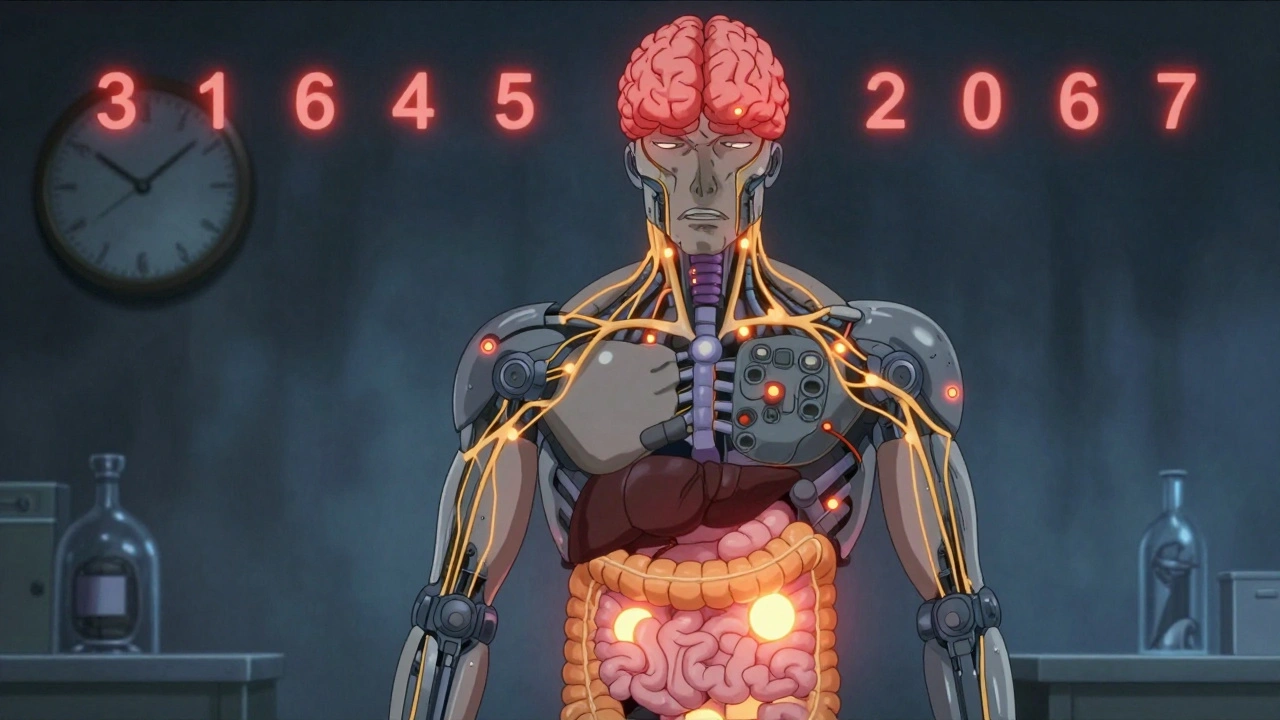
Why Some Medication Side Effects Fade Over Time: The Science of Tolerance
Learn why some medication side effects fade over time while others don't. Discover how metabolic and cellular changes cause tolerance-and what you can do about persistent effects.
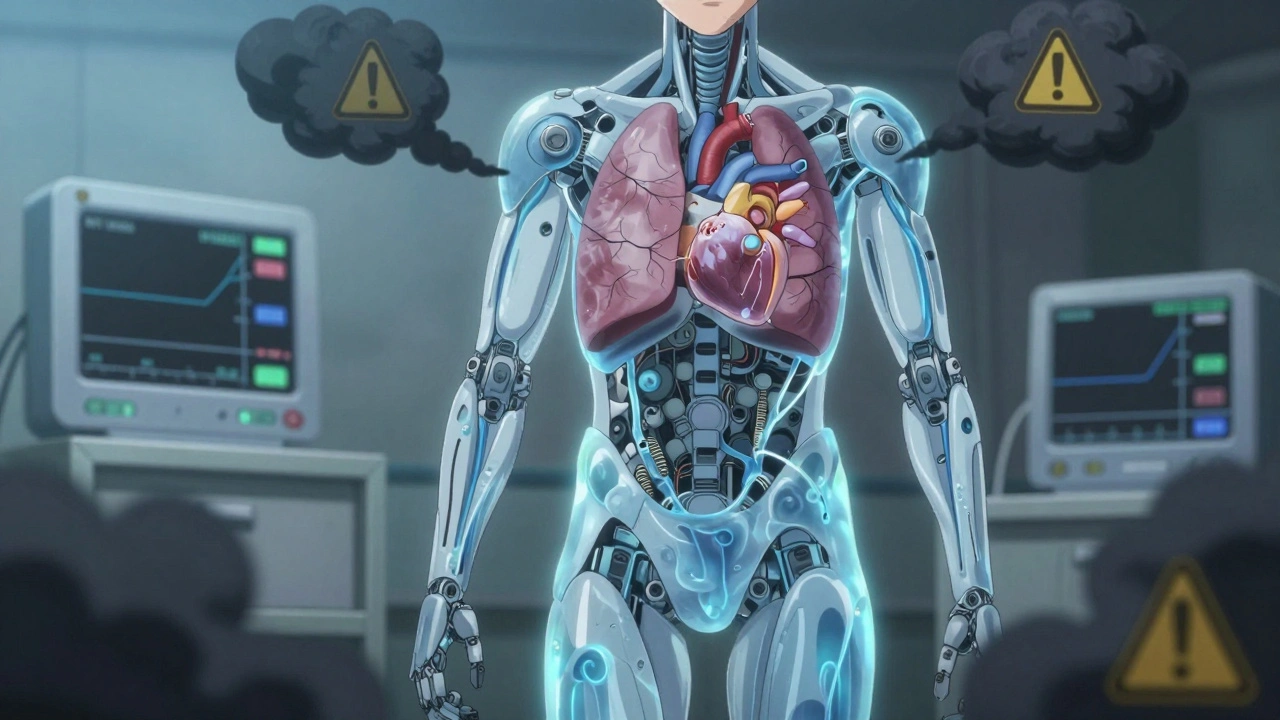
Pioglitazone Safety: Heart Failure, Edema, and Bladder Risks Explained
Pioglitazone (ACTOS) helps control blood sugar but carries serious risks including heart failure, fluid retention, and bladder cancer. Learn who should avoid it, what symptoms to watch for, and safer alternatives available in 2025.

Esketamine Nasal Spray: What You Need to Know About Dissociation, Blood Pressure, and Monitoring
Esketamine nasal spray offers hope for treatment-resistant depression but comes with strict monitoring due to dissociation and blood pressure spikes. Learn how it works, what to expect, and why safety protocols matter.
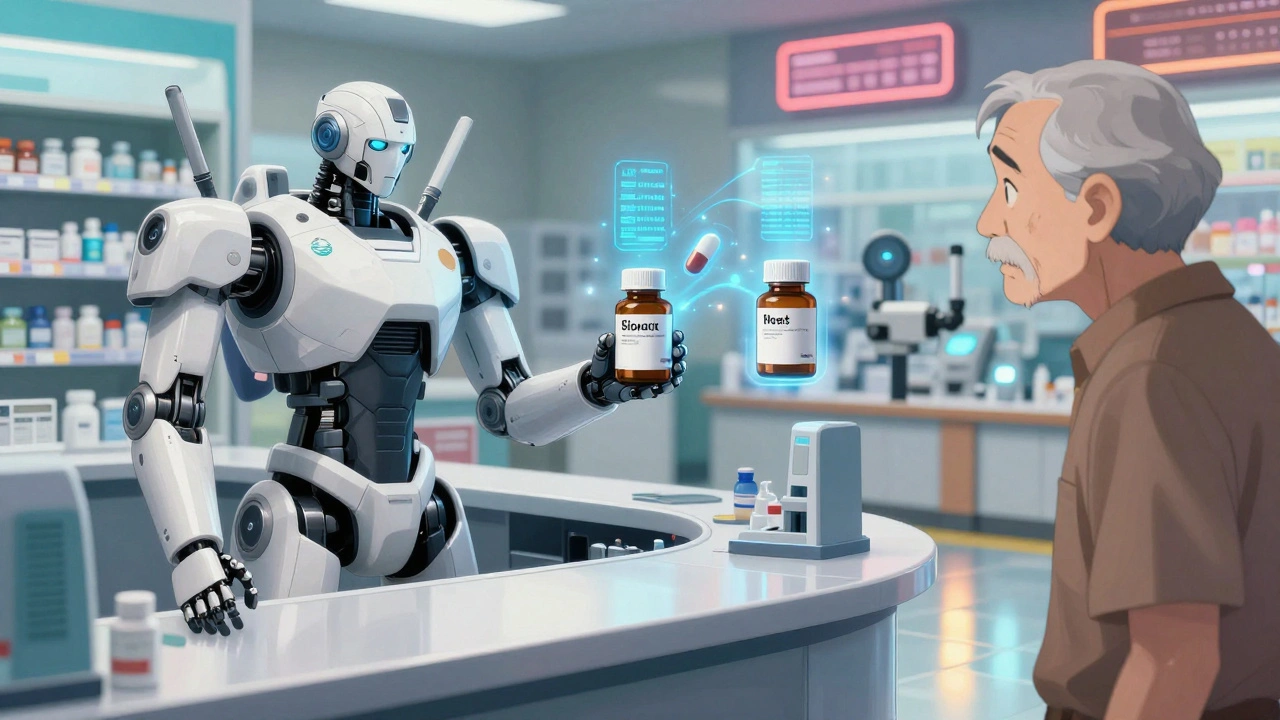
Common Pharmacist Concerns About Generic Substitution: What They Really Think
Pharmacists support generic substitution to save patients money, but face resistance from patients who distrust cheaper drugs, doctors who don't promote them, and complex rules around high-risk medications. Learn why this common practice sparks real concerns behind the counter.

Provider Education on Generics: How Clinicians Can Improve Patient Outcomes with Generic Medications
Generic drugs make up 90% of U.S. prescriptions but many clinicians still lack confidence in them. Learn how better provider education improves prescribing, patient adherence, and healthcare costs.
How to Subscribe to FDA Drug Safety Alerts and Updates
Learn how to subscribe to FDA drug safety alerts for recalls, medication warnings, and urgent health advisories. Free, easy, and life-saving - here’s how to get alerts for the drugs you take.
Active vs Inactive Drug Ingredients: Why the Difference Matters for Your Health
Active ingredients treat your condition, but inactive ingredients determine if your medicine works properly - and whether you have side effects. Learn why the difference matters for safety, effectiveness, and personal health.

How to Document Provider Advice About Medications for Later Reference
Learn how to accurately document provider advice about medications to prevent errors, improve care, and protect your health. Essential tips for patients on what to record, how to store it, and when to update.
Bipolar Disorder: How Mood Stabilizers and Antipsychotics Work and How to Manage Them
Learn how mood stabilizers like lithium and antipsychotics like quetiapine manage bipolar disorder, their benefits, side effects, and how to navigate treatment safely. Real data, real experiences, and practical advice.