EHR for Pharmacies: How Electronic Health Records Transform Pharmacy Practice
When we talk about EHR for pharmacies, electronic systems that store and share patient health data directly with pharmacists. Also known as pharmacy-integrated EHR, it's not just a digital filing cabinet—it's the backbone of modern medication safety and care coordination. Most people think EHRs are only for doctors, but in today’s clinics and retail pharmacies, they’re the difference between catching a dangerous drug interaction and missing it entirely.
Real EHR systems for pharmacies connect directly to electronic prescribing networks, insurance databases, and hospital records. That means when a pharmacist fills a script for warfarin, the system instantly flags if the patient is also taking amiodarone—a combo that can cause life-threatening bleeding. It doesn’t just alert the pharmacist; it shows the patient’s full medication history, allergies, recent lab results, and even notes from their primary care provider. This isn’t science fiction. It’s happening in pharmacies right now, cutting medication errors by up to 50% in places that use it well.
What makes EHR for pharmacies different from generic health records? It’s built for the pharmacy workflow. Pharmacists don’t need to see MRI reports—they need to know if a patient’s new antihypertensive conflicts with their diuretic, if their renal function is low enough to require a dose adjustment, or if they’ve filled the same opioid twice in 10 days. The best systems prioritize that data, highlight risks in red, and suggest alternatives. They also tie into automated dispensing machines, refill reminders, and immunization logs. And they’re not optional anymore. With Medicare and Medicaid pushing for interoperability, pharmacies that don’t use EHRs risk losing reimbursement and facing compliance penalties.
It’s not just about avoiding mistakes. EHRs help pharmacists step into more active roles. With access to real-time data, they can initiate medication therapy management (MTM) sessions, recommend dose changes, or even prescribe under collaborative practice agreements in 47 states. A pharmacist in Ohio recently used her EHR to spot that a diabetic patient was taking metformin but hadn’t had an A1C test in 14 months. She called the patient, scheduled the test, and coordinated with the doctor—preventing a potential complication. That’s the power of EHR for pharmacies: turning the counter into a clinical hub.
But it’s not perfect. Some systems are clunky, slow to load, or designed by vendors who’ve never worked a pharmacy shift. Pharmacists still spend hours manually entering data because the EHR doesn’t talk to the insurance portal. And not all prescribers send complete records—missing allergies or outdated weights still slip through. The key is choosing a system built for pharmacy, not one that’s been patched together from hospital software. Look for features like automated dose range checks, direct integration with RxNorm, and support for structured data entry like medication reconciliation templates.
What you’ll find in the posts below are real stories from the front lines: how EHR for pharmacies helps catch dangerous interactions, reduces duplicate prescriptions, improves communication with providers, and even helps patients stick to their meds. You’ll see how tools like clinical decision support and automated alerts are changing what it means to be a pharmacist today—not just a dispenser, but a guardian of safe, smart medication use.
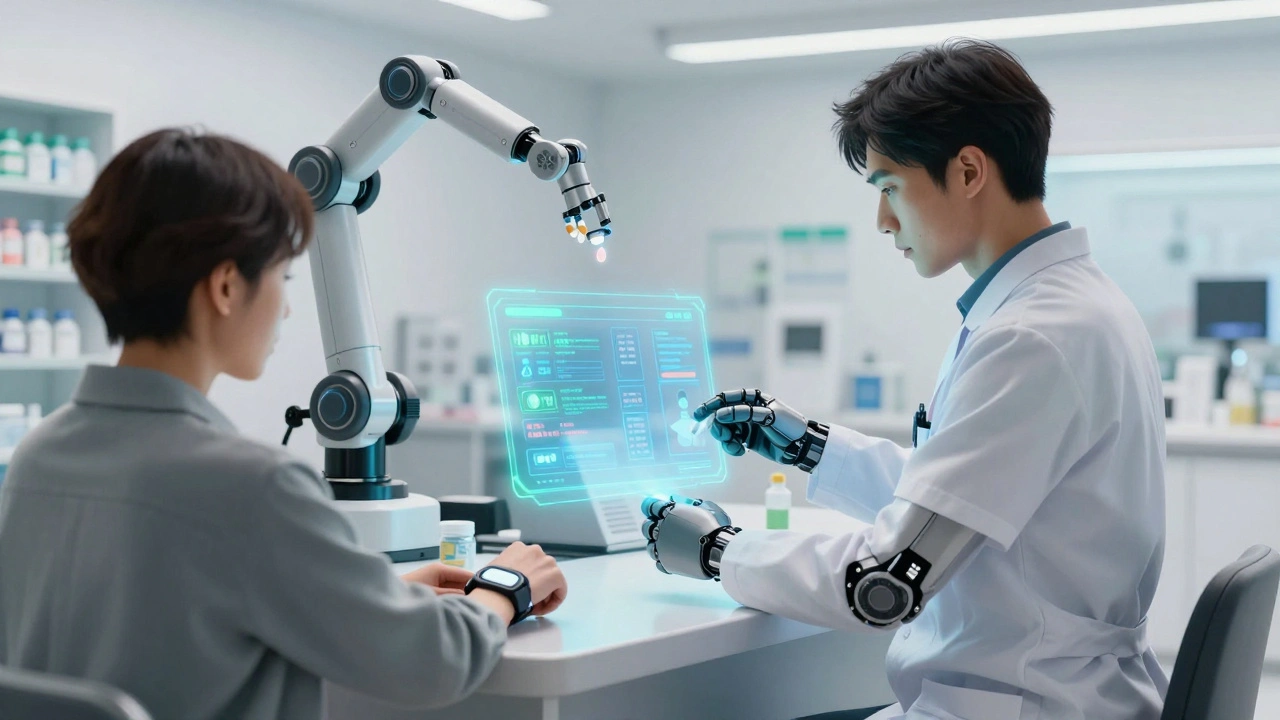
EHR Integration: How Pharmacy-Provider Communication Is Transforming Prescription Safety
EHR integration connects doctors and pharmacies to share patient data in real time, cutting medication errors, reducing hospital readmissions, and improving adherence. Learn how it works, why adoption is slow, and what’s changing in 2025.