EHR Integration: How Electronic Health Records Connect Care and Cut Errors
When you visit a doctor, get a prescription filled, or see a specialist, EHR integration, the process of linking electronic health records across different healthcare systems. Also known as health information exchange, it ensures your medical history moves with you—so no one has to guess what meds you’re on or what tests you’ve had. Without it, your pharmacy might not know you’re on blood thinners, your cardiologist could miss a recent lab result, and a nurse might give you a drug that clashes with something you took last week. It’s not just tech—it’s a safety net.
EHR integration isn’t just about storing records digitally. It’s about making them talk to each other. That means your primary care system can automatically send allergy alerts to the hospital pharmacy, or your diabetes clinic can pull in your latest HbA1c from the lab without you having to call or fax anything. This is why interoperability, the ability of different health systems to exchange and use data matters so much. A 2023 study from the Journal of the American Medical Informatics Association found that hospitals with strong EHR integration saw 30% fewer medication errors. That’s not a guess—it’s real data from real clinics. And it’s not just hospitals. Pharmacies like BMPHARMACY.COM track these trends because when EHRs work right, pharmacists get better data to catch dangerous interactions—like when someone’s on lithium and starts taking ibuprofen, or when a patient on warfarin gets a new antibiotic without the system flagging the risk.
But EHR integration isn’t perfect. Many systems still speak different languages. A clinic using Epic might not talk cleanly to a pharmacy using Cerner. That’s why clinical data sharing, the secure exchange of patient information between providers is still a patchwork. Some states have built statewide networks. Others rely on paper faxes and patient memory. That’s why you see posts here about generic substitution confusion, medication documentation, and FDA alerts—all tied to the same problem: fragmented data. When your meds don’t sync across systems, people miss doses, take double doses, or get caught in dangerous gaps.
What you’ll find in the posts below isn’t just a list of articles. It’s a map of how EHR integration touches real life. From how pharmacists worry about generic mix-ups because labels change in the system, to why knowing your beyond-use dates matters when a hospital compounding pharmacy sends out a custom med without proper digital tracking. It’s about how your sleep meds interact with alcohol, and why that warning should pop up in your EHR if your doctor knows you drink. It’s about how mental health meds like esketamine need strict monitoring—and how that monitoring only works if the system can flag blood pressure spikes across visits. This isn’t theory. It’s what happens when data doesn’t move, and when it does, what changes.
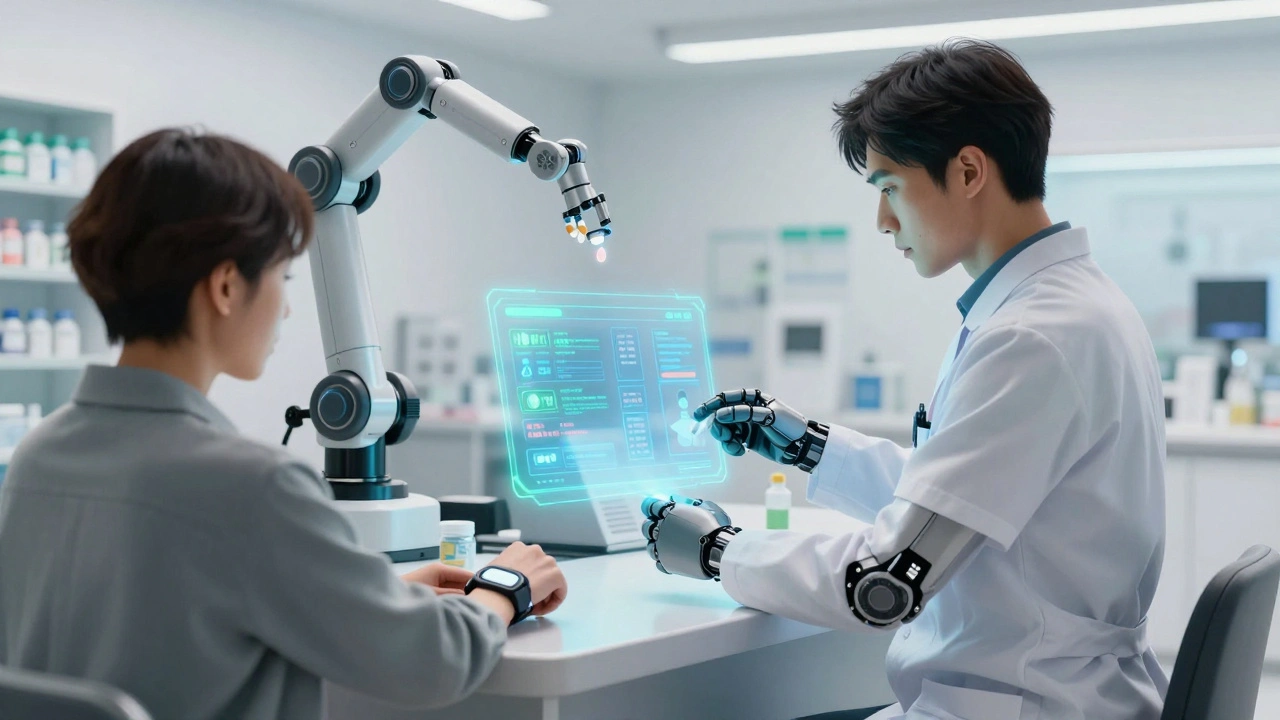
EHR Integration: How Pharmacy-Provider Communication Is Transforming Prescription Safety
EHR integration connects doctors and pharmacies to share patient data in real time, cutting medication errors, reducing hospital readmissions, and improving adherence. Learn how it works, why adoption is slow, and what’s changing in 2025.