Electronic Prescribing: How Digital Scripts Are Changing Pharmacy and Patient Safety
When a doctor sends your prescription straight to the pharmacy through a computer system, that’s electronic prescribing, a digital method of transmitting prescriptions from healthcare providers to pharmacies without paper or fax. Also known as e-prescribing, it’s now the standard in most U.S. clinics and hospitals because it cuts down on mistakes, speeds up fills, and helps pharmacists catch dangerous drug interactions before you even walk in the door.
Electronic prescribing doesn’t just replace paper—it connects to your electronic health record, a digital file that holds your medical history, allergies, and current meds. This means the pharmacist sees not just what was prescribed, but why—and whether it clashes with something you’re already taking. It also links to pharmacy systems, the software pharmacies use to manage inventory, check insurance, and track refills. When these systems talk to each other, you get fewer calls back and forth, less waiting, and fewer errors from messy handwriting or misheard drug names.
Think about how often you’ve had to call your doctor because the pharmacy couldn’t read the script. Or how you once got the wrong dose because the prescription said "5 mg" but looked like "50 mg." Those problems don’t go away with paper. But with electronic prescribing, the system flags dose limits, checks for allergies in real time, and even suggests cheaper alternatives if your insurance requires it. It’s not magic—it’s smart software built on rules that pharmacists and doctors have spent years refining.
And it’s not just about safety. Electronic prescribing helps reduce fraud—like fake scripts for opioids—and makes it easier for doctors to track whether you picked up your meds. If you’re on a long-term treatment, like blood pressure or diabetes meds, your provider can see if you’re filling refills on time. That’s huge for managing chronic conditions. It also means fewer trips to the doctor’s office just to get a new paper script.
Some patients still worry that going digital means less personal attention. But the truth? It frees up pharmacists to talk to you more—not less. Instead of spending half their day decoding handwriting or calling doctors for clarifications, they can answer your questions about side effects, timing, or how to take your pills with food. That’s real care, delivered faster.
The posts below show how this shift touches everything: from how pharmacists handle generic substitutions to how patients track their meds, how drug safety alerts get pushed out, and even how mental health treatments like esketamine require strict digital monitoring. You’ll see how electronic prescribing isn’t just a tech upgrade—it’s a foundation for safer, smarter care. Whether you’re a patient, a caregiver, or someone working in healthcare, understanding this system helps you take control.
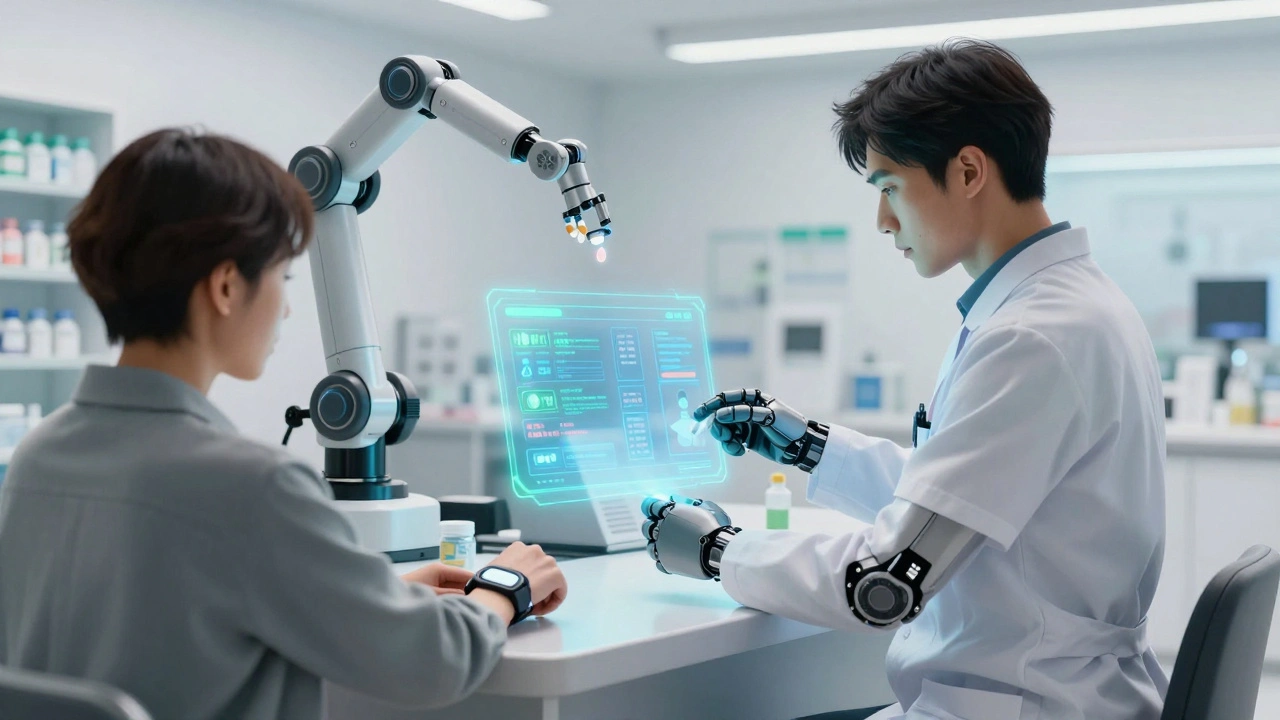
EHR Integration: How Pharmacy-Provider Communication Is Transforming Prescription Safety
EHR integration connects doctors and pharmacies to share patient data in real time, cutting medication errors, reducing hospital readmissions, and improving adherence. Learn how it works, why adoption is slow, and what’s changing in 2025.