Pharmacist Concerns: What Every Patient and Provider Needs to Know
When you pick up a prescription, the pharmacist concerns, the practical, daily risks pharmacists watch for to keep patients safe. Also known as medication safety priorities, these are the hidden checks that stop errors before they happen. It’s not just about counting pills. It’s about spotting when your blood pressure med stops working because you’re eating too much salt, or when your new generic looks nothing like the old one—and you panic and skip doses.
Pharmacists see the fallout when drug interactions, dangerous combinations of medications that can cause serious harm slip through. Mixing alcohol with sleep pills? That’s a top red flag. Taking fiber supplements at the same time as lithium or metformin? That’s how people end up in the ER. And it’s not just prescriptions. Over-the-counter painkillers like acetaminophen hide in cold meds, sleep aids, and even cough syrups. One extra pill can push you over the edge. Pharmacists track these overlaps because they’ve seen what happens when patients don’t know what’s in their own medicine cabinet.
Then there’s health literacy, how well patients understand their meds, their side effects, and their instructions. A study from the CDC found nearly half of U.S. adults can’t read a medicine label correctly. That’s why pharmacists spend time explaining why your generic looks different, why you can’t crush your pills, or why you need to space out your thyroid med and calcium. It’s not about being technical—it’s about making sure you don’t accidentally hurt yourself.
And let’s not forget generic medications, the same drugs as brand names, but cheaper—and often misunderstood. Many patients think generics are "weaker" or "inferior." But pharmacists know they’re exact copies. The problem? When the color or shape changes every refill, people get confused. They think it’s a different drug. They stop taking it. That’s how chronic conditions like diabetes or high blood pressure spiral out of control. Pharmacists fight this every day—by answering questions, checking records, and making sure you don’t fall through the cracks.
These aren’t abstract worries. They’re daily realities. A pharmacist in Ohio once caught a patient on three different drugs that all raised serotonin levels—risking a deadly reaction. A pharmacist in Texas noticed a man was taking his blood thinner at the same time as his NSAID for back pain. He almost bled internally. These aren’t rare cases. They’re routine. And they’re preventable.
That’s why this collection matters. You’ll find real stories about how salt ruins blood pressure meds, why esketamine needs strict monitoring, how fiber can block your meds, and why EHR systems are finally helping pharmacists talk to doctors. You’ll learn how to read labels, what to ask your provider, and how to spot red flags before they become emergencies. This isn’t theory. It’s what pharmacists see every shift—and what you need to know to stay safe.
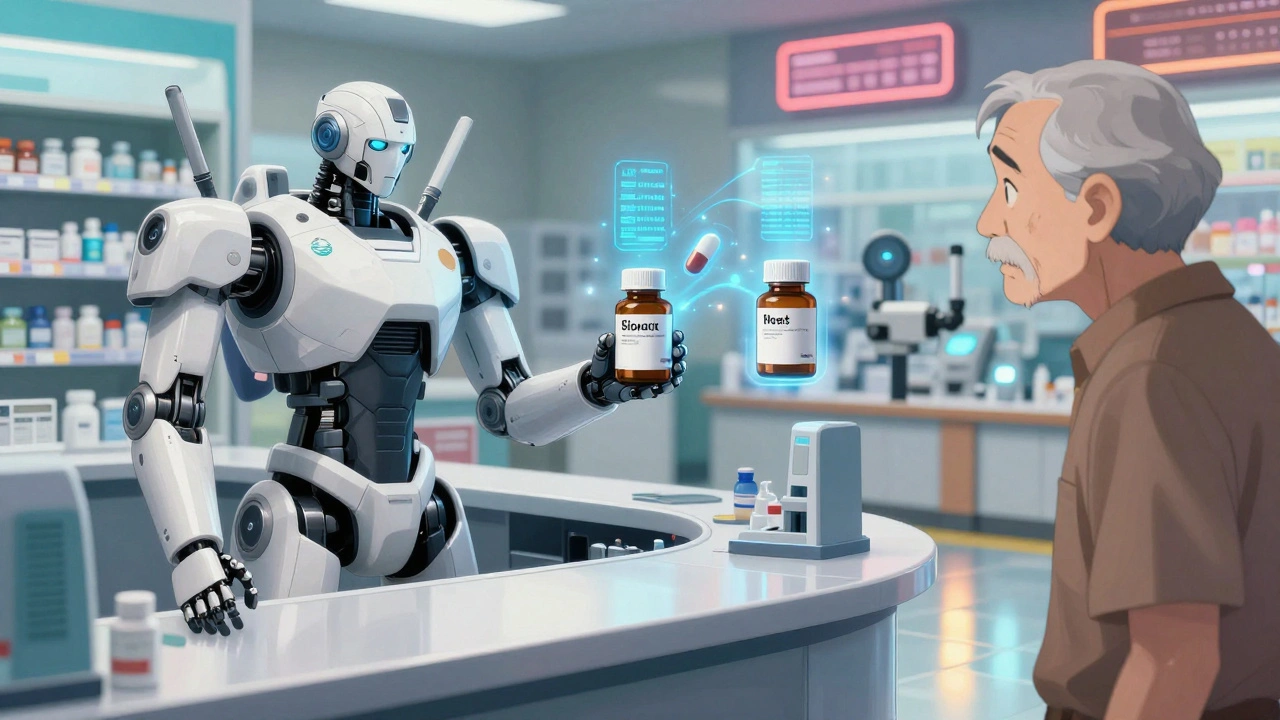
Common Pharmacist Concerns About Generic Substitution: What They Really Think
Pharmacists support generic substitution to save patients money, but face resistance from patients who distrust cheaper drugs, doctors who don't promote them, and complex rules around high-risk medications. Learn why this common practice sparks real concerns behind the counter.