Pharmacy Practice: What It Really Means and How It Affects Your Medications
When you think of pharmacy practice, the daily work pharmacists do to ensure medications are safe, accurate, and effective for patients. Also known as clinical pharmacy, it's not just about counting pills—it's about understanding how drugs interact with your body, your other meds, and your lifestyle. This is the invisible layer between your doctor’s prescription and the bottle in your cabinet. It’s the pharmacist checking if that new blood pressure drug clashes with your diabetes med. It’s them spotting that your generic pill looks different this month and explaining why that’s okay. And it’s them telling you not to mix alcohol with your sleep aid—even if you only had one drink.
Good pharmacy practice, the daily work pharmacists do to ensure medications are safe, accurate, and effective for patients. Also known as clinical pharmacy, it's not just about counting pills—it's about understanding how drugs interact with your body, your other meds, and your lifestyle. relies on clear communication between doctors, pharmacists, and patients. That’s why EHR integration, the real-time digital connection between healthcare providers and pharmacies to share patient records. Also known as electronic prescribing, it's a game-changer for catching errors before they happen. Without it, a patient might get two prescriptions for the same drug from different doctors—something that’s happened too often. And when your doctor doesn’t know how to explain generic medications, identical versions of brand-name drugs that cost far less but work the same way. Also known as brand generics, they're the backbone of affordable healthcare in the U.S. to you, you might stop taking them because you think they’re weaker. That’s where pharmacy practice steps in: to bridge the gap between science and understanding.
It’s also about making sure you know what’s in your medicine. That’s why medication safety, the systems and practices designed to prevent harm from drugs, whether from mistakes, interactions, or misinformation. Also known as drug safety, it's the reason you get a printed warning label with your prescription. matters so much. A tiny mistake—like taking fiber supplements at the same time as your lithium—can throw off your entire treatment. Pharmacy practice includes teaching you how to read a Drug Facts label, when to call your pharmacist about side effects, and how to store your meds so they don’t go bad. It’s not glamorous, but it’s life-saving.
And it’s evolving. Today’s pharmacists don’t just hand out pills—they’re part of your care team. They track your adherence, flag dangerous combinations like SSRIs with MAOIs, and even help with mental health crises by knowing which resources to point you toward. They’re the ones who know why heparin might affect your mood, or why vitamin D won’t fix your statin muscle pain. They’re the ones who remind you that beyond-use dates on compounded meds aren’t suggestions—they’re hard limits.
What you’ll find here isn’t theory. These are real stories from the front lines of pharmacy practice: how EHR cuts errors, why generics confuse patients, what happens when salt ruins your blood pressure meds, and how to actually use FDA alerts to stay safe. No fluff. No jargon. Just what you need to know to take control of your meds.
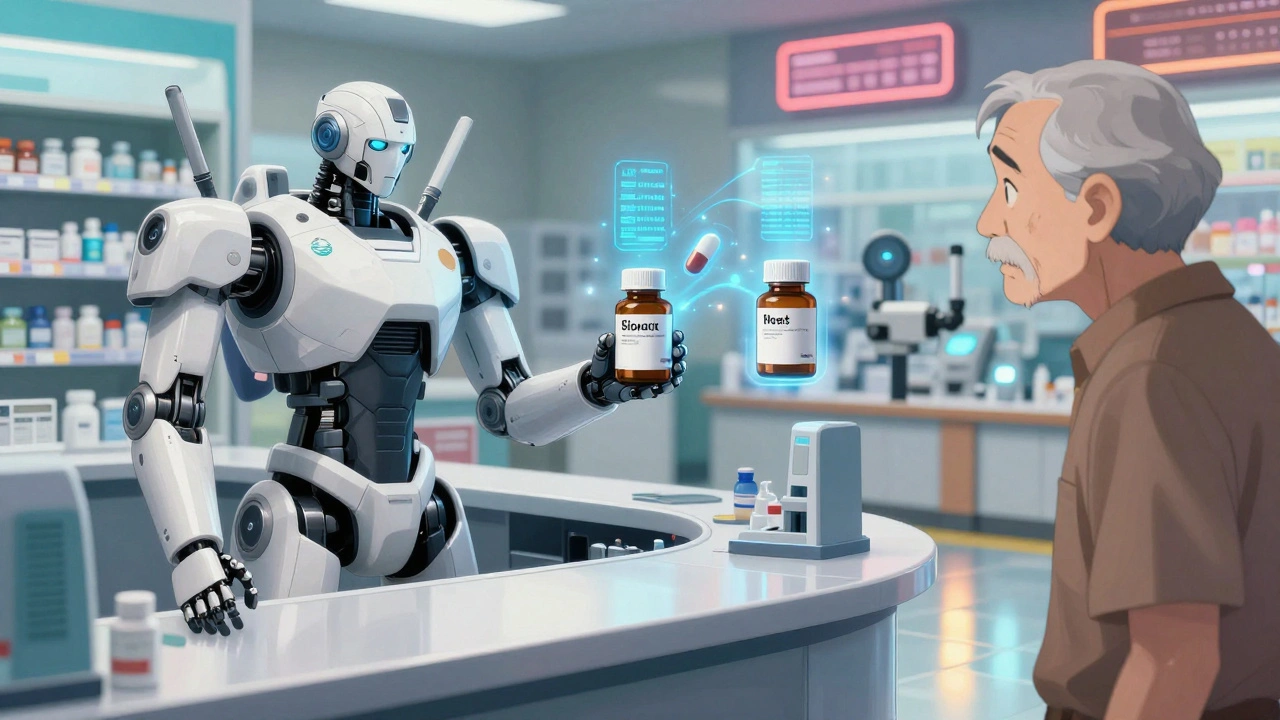
Common Pharmacist Concerns About Generic Substitution: What They Really Think
Pharmacists support generic substitution to save patients money, but face resistance from patients who distrust cheaper drugs, doctors who don't promote them, and complex rules around high-risk medications. Learn why this common practice sparks real concerns behind the counter.