Tinnitus Anxiety – Understanding the Link Between Ringing Ears and Stress
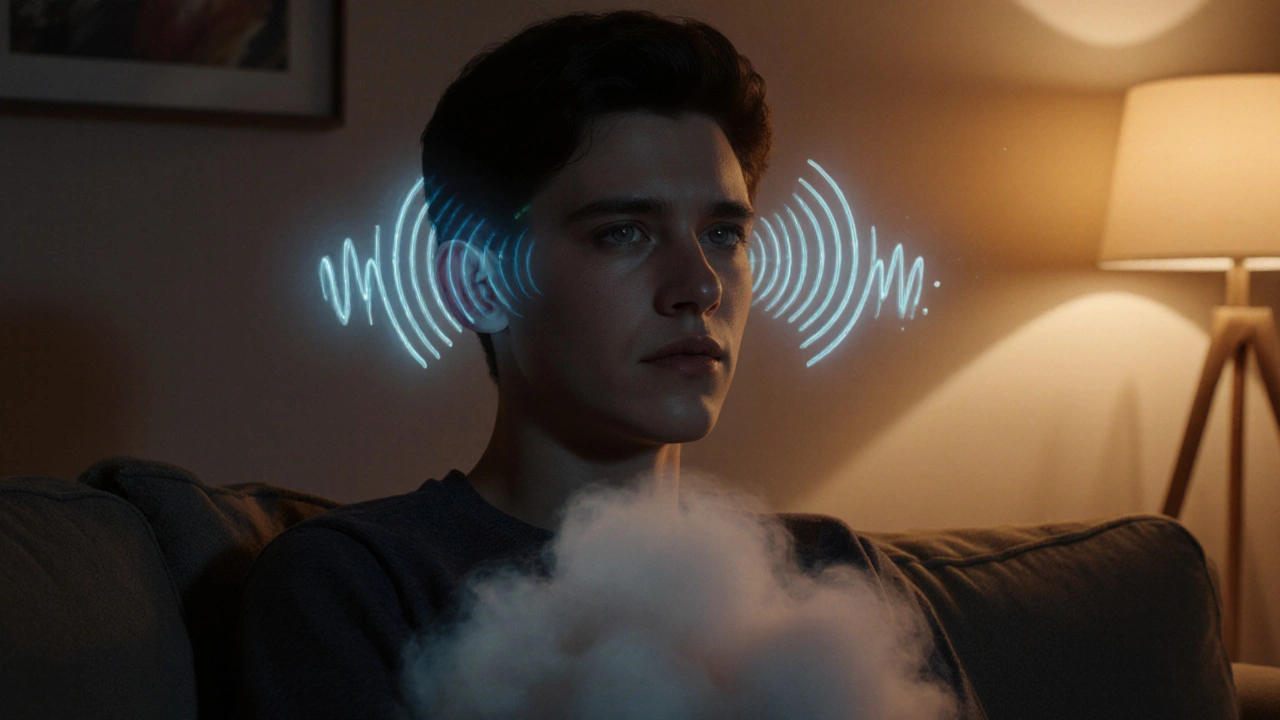
When dealing with tinnitus anxiety, the uneasy feeling that comes with persistent ringing in the ears. Also known as ear‑ringing stress, it can sour sleep, concentration and mood. Tinnitus anxiety is not just a symptom; it’s a blend of auditory perception and emotional response.
One key player is tinnitus, the perception of sound when no external source exists. Another is anxiety, the body’s natural alarm system that can become overactive. When they meet, they create a loop: the ringing fuels worry, and the worry makes the ringing feel louder. A third helper is cognitive behavioral therapy, a structured talk therapy that reshapes negative thoughts, which can break that loop. Finally, sound therapy, the use of background noise to mask or retrain the brain’s response provides practical relief. These four entities form the core of managing tinnitus anxiety.
How to Manage Tinnitus Anxiety
First, recognize that tinnitus anxiety encompasses both the perception of ringing and the emotional distress it causes. Knowing this helps you target each side separately. Second, adopt sound therapy; a low‑level noise generator or a playlist of soothing sounds can lower the brain’s focus on the phantom ringing. Third, consider CBT – it teaches you to challenge catastrophic thoughts like “I’ll never sleep again” and replace them with realistic expectations.
Stress reduction techniques also matter. Regular exercise, mindful breathing, and a steady sleep schedule keep the body’s alarm system from spiraling. Nutrition plays a subtle role; limiting caffeine and salt can lessen the intensity of the ringing for some people. When medication is needed, doctors may prescribe low‑dose antidepressants or anti‑anxiety drugs, but these should complement – not replace – the behavioral strategies.
Many readers find that combining sound therapy with CBT creates a synergistic effect: the background noise dulls the ringing while CBT reshapes the worry that amplifies it. Research shows that patients who use both report faster improvements than those who rely on one method alone. This relationship illustrates a core semantic triple: Cognitive behavioral therapy influences tinnitus anxiety, and sound therapy reduces the perceived loudness of tinnitus.
The collection of articles below dives deeper into each of these approaches. You’ll see guides on choosing the right sound‑masking device, step‑by‑step CBT exercises, medication options, and lifestyle tweaks that curb stress. Whether you’re just hearing the buzz or have lived with it for years, the resources aim to give you clear, actionable steps to regain calm.
Ready to explore practical tips, expert advice, and real‑world solutions? Scroll down to find the full range of posts tailored to help you manage tinnitus anxiety effectively.
Tinnitus and Mental Health: Key Facts & Coping Tips
Learn how tinnitus affects mental health, spot warning signs, and apply proven coping strategies to improve mood, sleep, and overall wellbeing.