Generic Drugs: What They Are, Why They Work, and How to Use Them Safely
When you hear generic drugs, medications that contain the same active ingredient as brand-name pills but cost far less. Also known as non-brand medications, they make up over 90% of prescriptions in the U.S. and are just as safe and effective—when used correctly. The FDA requires them to deliver the same results in the body as the original brand, down to the dose, strength, and how fast they work. Yet many people still worry: Are generics really the same? Why does my pill look different? And why do some doctors still push the expensive version?
One big reason for confusion is authorized generics, exact copies of brand-name drugs made by the same company, often sold under a different label at lower prices. These aren’t just similar—they’re identical in every way, including inactive ingredients. Then there’s the more common type: standard generics, which match the active ingredient but may use different fillers or coatings. That’s why your pill might change color or shape when you refill—it’s still the same medicine, just made by a different manufacturer. This isn’t a glitch; it’s normal. But without clear patient education, it leads to generic drug confusion, when patients think a change in appearance means the drug doesn’t work anymore, causing missed doses or panic.
Another issue? Provider knowledge. Many doctors were trained to trust brand names, even though studies show no difference in outcomes. That’s why generic drug equivalence, the scientific proof that generics perform just like brand-name drugs still needs better communication in clinics. Some patients get stuck on brand names because their provider didn’t explain the facts. Meanwhile, insurance companies push generics not just to save money—but because they work. And when you combine that with authorized generics, the best of both worlds: same formula, lower price, you’ve got a smart, safe option for almost every condition.
What you’ll find here aren’t just articles about prices or labels. You’ll see real stories about how people handle switching meds, how pharmacists help avoid mix-ups, why some drugs don’t have generics yet, and how to spot the difference between a true generic and a risky knockoff. You’ll learn how to read labels so you know exactly what’s in your pill, how to talk to your doctor about switching, and why your blood pressure med might work better once you stop worrying about the brand name. This isn’t theory—it’s what people actually need to know to stay healthy and save money without taking risks.
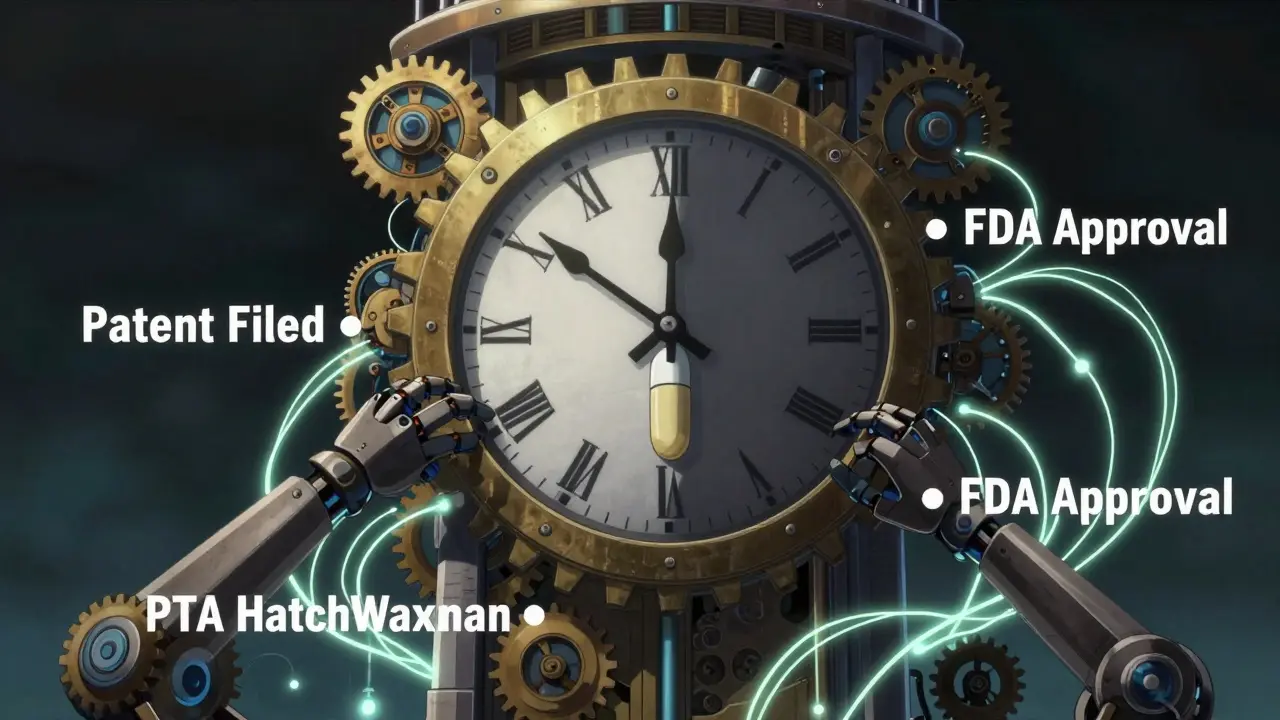
When Do Drug Patents Expire? Understanding the 20-Year Term and Real-World Timelines
Drug patents last 20 years from filing, but most drugs only have 7-12 years of real market exclusivity due to long approval times. Patent extensions, regulatory exclusivity, and litigation can delay generics for years.
Medication Costs: How Coupons, Generics, and Prior Authorizations Really Impact Your Out-of-Pocket Expenses
Learn how generic drugs, prescription coupons, and prior authorization rules affect your out-of-pocket medication costs-and what you can do today to save hundreds or even thousands on prescriptions.

Doctor Attitudes Toward Generic Drugs: What Providers Really Think
Many doctors still doubt the effectiveness of generic drugs, despite evidence showing they're just as safe and effective. This article explores why provider attitudes matter, what drives skepticism, and how education is changing prescribing habits.

How Generic Drugs Are Reshaping Brand Pharmaceutical Economics
Generic drugs save billions annually but force brand manufacturers into a financial crisis when patents expire. Learn how the patent cliff, pay-for-delay deals, and PBMs reshape drug pricing-and what brands are doing to survive.
Common Pharmacist Concerns About Generic Substitution: What They Really Think
Pharmacists support generic substitution to save patients money, but face resistance from patients who distrust cheaper drugs, doctors who don't promote them, and complex rules around high-risk medications. Learn why this common practice sparks real concerns behind the counter.