Author: Paul Davies

How to Document Drug Allergies in Your Medical Records Safely
Accurate documentation of drug allergies in medical records prevents dangerous medication errors. Learn how to provide exact details-drug name, symptoms, severity-to keep yourself safe and ensure proper care.
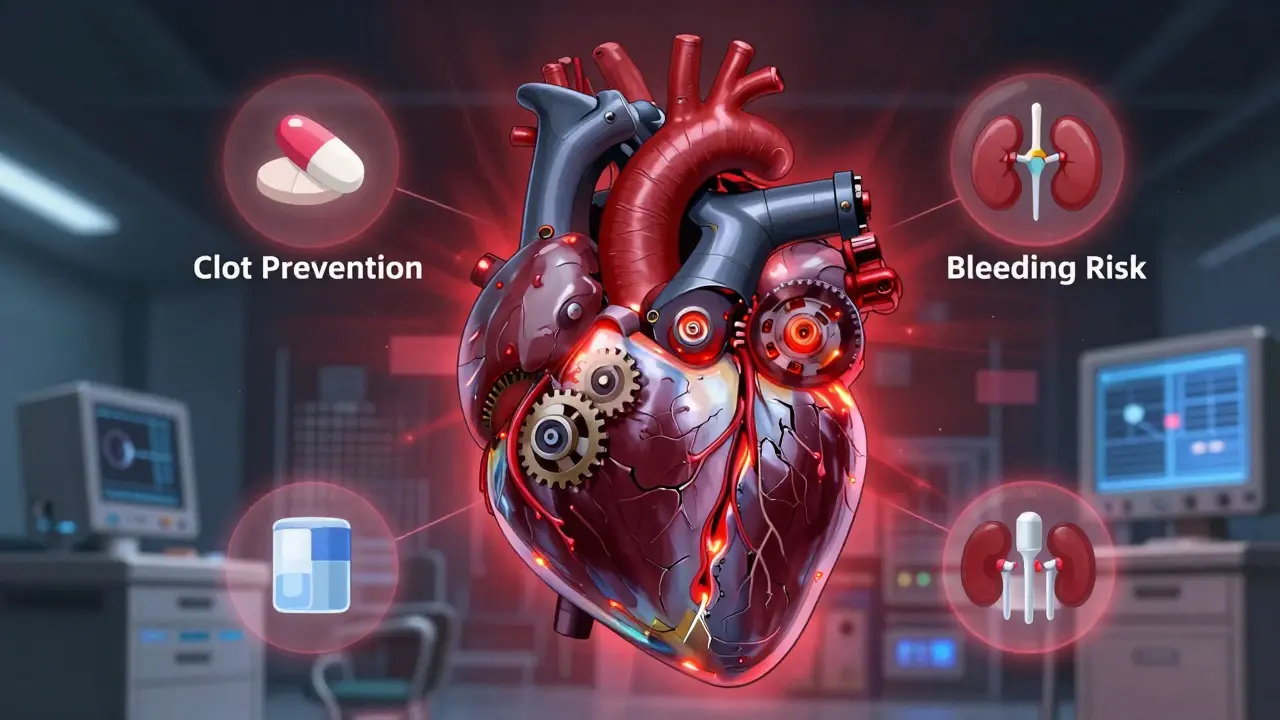
Anticoagulants and Bleeding Disorders: How to Prevent Hemorrhage
Anticoagulants prevent dangerous clots but carry a real risk of serious bleeding. Learn how to balance these risks, choose the right drug, and prevent hemorrhage with smart monitoring and clear action plans.

Drug Interactions Discovered Post-Market: What It Means for Your Safety
Many dangerous drug interactions aren't found until after a medication is widely used. Learn how post-market surveillance catches hidden risks, why clinical trials miss them, and what you can do to protect yourself.

How to Use Naloxone Nasal Spray for Opioid Overdose: Step-by-Step Guide
Learn how to use naloxone nasal spray to reverse an opioid overdose in just a few steps. No medical training needed. Save a life with NARCAN.

Anaphylaxis Action Plan: School and Workplace Readiness
An anaphylaxis action plan is a life-saving protocol for schools and workplaces. Learn the essential components, why epinephrine must be given immediately, and how to ensure your environment is truly ready for a severe allergic reaction.

How to Recognize Depression’s Impact on Medication Adherence
Depression significantly reduces medication adherence across chronic conditions. Learn how PHQ-9 and MMAS-8 screening can identify adherence risks, why side effects feel worse with depression, and what real-world strategies actually work.

Understanding Risk-Benefit Statements in FDA Drug Labels for Patients
FDA drug labels are full of complex risk-benefit data that most patients struggle to understand. Learn how these statements are made, what’s missing, and how to read them to make smarter treatment decisions.

Microscopic Colitis: Understanding Chronic Diarrhea and Budesonide Treatment
Microscopic colitis causes chronic watery diarrhea with no visible signs on colonoscopy. Budesonide is the most effective treatment, offering 75-85% remission rates with fewer side effects than older steroids. Learn how it works, who benefits, and what to expect.

Ashwagandha and Thyroid Medications: Risks of Over-Replacement
Ashwagandha can dangerously increase thyroid hormone levels in people taking levothyroxine, leading to over-replacement and serious health risks. Learn why mixing this popular supplement with thyroid meds is unsafe and what to do instead.

Fasted vs Fed State Testing: Why Both Conditions Matter for Health and Drug Effectiveness
Fasted and fed state testing reveals how food impacts drug absorption and exercise performance. Understanding both conditions helps you take medication correctly and train smarter for better results.